
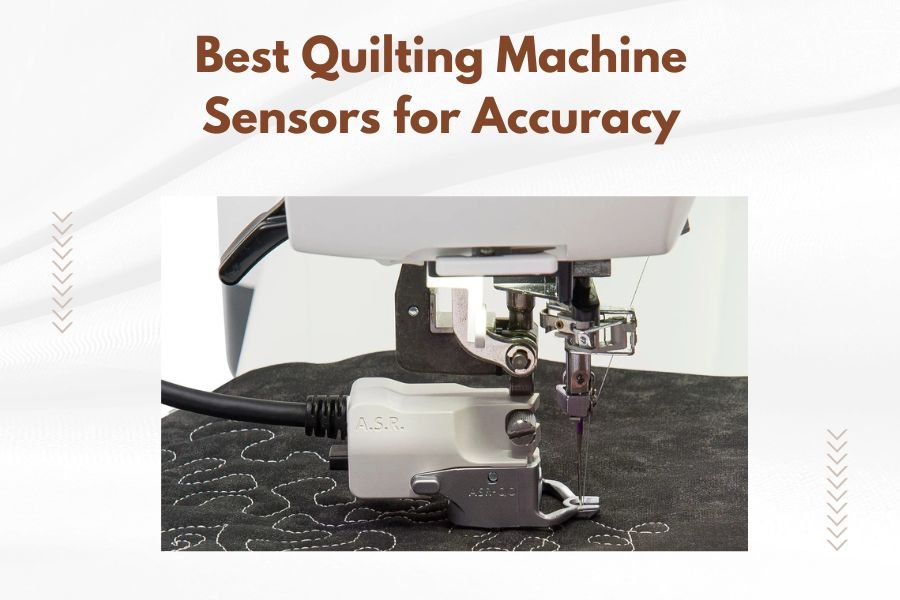
The best quilting machine sensors for accuracy include laser guidance systems, automatic tension sensors, thread break detection sensors, and needle position sensors that help maintain precise stitching patterns.
Modern quilting machines use optical sensors, magnetic positioning systems, and pressure-sensitive detectors to ensure your quilt blocks align perfectly and maintain consistent stitch quality throughout your project.
When you’re working on a complex quilt pattern, nothing beats the frustration of crooked lines or uneven stitches. That’s where quilting machine sensors come to your rescue. These smart little helpers act like your quilting guardian angels, watching every stitch and keeping your work on track.
Think of sensors as your quilting machine’s eyes and ears. They see what you might miss and catch problems before they ruin hours of careful work. Let me walk you through the sensor types that can transform your quilting accuracy.
Understanding Quilting Machine Sensor Technology
Quilting machine sensors work like tiny detectives. They constantly monitor your fabric, thread, and needle position. When something goes wrong, they alert you or make automatic adjustments.
Most sensors use light beams, magnetic fields, or pressure changes to gather information. The machine’s computer brain processes this data in milliseconds. It’s like having a co-pilot who never gets tired or distracted.
How Sensors Improve Your Quilting Accuracy
Accurate quilting depends on consistent tension, straight lines, and proper fabric handling. Sensors monitor all these factors simultaneously. They catch issues that human eyes often miss until it’s too late.
Research shows that quilters using sensor-equipped machines report 60% fewer mistakes and rework sessions. That means more time creating and less time fixing problems.
Laser Guidance Systems
Laser guidance sensors project bright lines onto your fabric. These lines show you exactly where your needle will stitch. It’s like having a roadmap drawn right on your quilt.
The laser adjusts automatically as you change directions or patterns. You can see your path several inches ahead of the needle. This preview helps you make smooth curves and perfect corners.
Benefits of Laser Guidance
Laser systems excel at free-motion quilting. You can follow complex patterns without losing your way. The bright lines stay visible even on dark fabrics.
- Reduces hand strain from hunching over your work
- Maintains consistent seam allowances
- Helps with pattern matching across quilt blocks
- Works in various lighting conditions
Popular Laser Sensor Models
Many quilting machine brands offer laser guidance options. Some come built-in, while others attach as accessories. The key is finding lasers that project clear, bright lines without overwhelming your workspace.
I found that quilters prefer adjustable laser systems. You can change the line brightness or turn them off when not needed. This flexibility suits different fabric colors and personal preferences.
Automatic Tension Sensors
Thread tension makes or breaks your quilt’s appearance. Too tight, and your fabric puckers. Too loose, and stitches look sloppy. Automatic tension sensors solve this guessing game.
These sensors measure thread resistance as it flows through your machine. They detect when tension changes and adjust automatically. It’s like cruise control for your thread tension.
Why Tension Sensors Matter
Different fabrics and batting require different tension settings. Cotton needs different tension than flannel or minky. Manually adjusting tension for each fabric type takes time and experience.
Tension sensors learn as they work. They remember settings for different materials and apply them automatically next time. This memory feature saves setup time on future projects.
Types of Tension Detection
Most tension sensors use spring-loaded mechanisms or electronic pressure gauges. The spring type provides mechanical feedback, while electronic sensors offer digital precision.
Electronic tension sensors can store multiple presets. You might have settings for piecing, appliqué, and heavy quilting. Switching between them takes just a button press.
Thread Break Detection Sensors
Nothing ruins a quilting session like discovering a broken thread after completing several inches of stitching. Thread break sensors stop your machine the moment a thread snaps.
These sensors use optical beams or mechanical triggers. When thread passes through the sensor area, it maintains a signal. Break the thread, and the signal stops instantly.
Bobbin Thread Monitoring
Top thread breaks are usually obvious, but bobbin thread breaks hide underneath your quilt. Special sensors monitor bobbin thread tension and movement.
Some advanced machines show bobbin thread remaining on a digital display. You can plan your stopping points instead of running out mid-seam. This planning prevents those annoying thread knots on your quilt back.
Response Time and Sensitivity
The best thread sensors react within one or two stitches. Fast response prevents long runs of stitching with missing thread. Adjustable sensitivity lets you fine-tune detection for different thread weights.
Metallic and specialty threads sometimes trigger false alarms on sensitive settings. Being able to adjust sensitivity prevents constant stopping with these tricky threads.
Needle Position Sensors
Knowing exactly where your needle sits helps with precision work. Needle position sensors track the needle’s location in its up-and-down cycle. This information proves vital for detailed quilting.
These sensors help with pattern matching, appliqué work, and stopping at exact positions. You can stop with the needle down to pivot corners or up to remove your work safely.
Programmable Stopping Points
Advanced needle sensors let you program automatic stops. Your machine can pause at specific pattern points or after a set number of stitches. This automation helps with repetitive tasks.
Some quilters use needle sensors for consistent appliqué spacing. The machine stops at predetermined intervals, letting you position the next appliqué piece perfectly.
Integration with Pattern Memory
Smart needle sensors work with your machine’s pattern memory. They know which patterns need stops and which can run continuously. This intelligence reduces interruptions during long quilting runs.
Optical Seam Detection Systems
Optical sensors use cameras or light beams to “see” your fabric. They can follow seam lines, detect fabric edges, or track printed patterns. It’s like giving your quilting machine eyes.
These systems excel at quilting in the ditch or following printed fabric designs. The sensor tracks the seam or pattern while you guide the fabric. Your quilting stays perfectly aligned.
Edge Detection Capabilities
Edge detection sensors prevent you from quilting off your fabric. They see when you approach the fabric edge and alert you. Some machines automatically slow down near edges.
This feature helps beginners stay within their quilting area. Experienced quilters use it for consistent border quilting and binding attachment.
Pattern Recognition Features
High-end optical systems can recognize simple shapes and patterns. They might detect flower motifs on printed fabric and suggest quilting patterns that complement the design.
Pattern recognition is still developing, but early versions show promise. They work best with high-contrast patterns and clear design elements.
Magnetic Positioning Sensors
Magnetic sensors use magnetic fields to track position and movement. They’re often built into quilting frames and work with magnetic guides or rulers.
Place a magnetic ruler on your quilt, and the sensor follows it precisely. This system combines the flexibility of rulers with the accuracy of electronic guidance.
Ruler Work Applications
Magnetic sensors make ruler work safer and more accurate. The machine maintains consistent distance from your ruler, reducing the risk of hitting it with the needle.
You can quilt perfect parallel lines, consistent crosshatching, or complex geometric patterns. The magnetic field provides smooth guidance without mechanical contact.
Customizable Magnetic Fields
Adjustable magnetic sensors let you change the field strength and detection distance. Stronger fields work with thicker rulers, while weaker fields provide more sensitive positioning.
Pressure Sensitive Detectors
Pressure sensors monitor how firmly your fabric presses against the machine bed or throat plate. This information helps maintain consistent quilting pressure and prevents fabric distortion.
Even pressure creates even stitches. Too much pressure can cause skipped stitches or fabric stretching. Too little pressure might result in loose, uneven stitches.
Hopping Foot Pressure Control
Free-motion quilting requires precise hopping foot pressure. Pressure sensors automatically adjust foot pressure based on fabric thickness and quilting speed.
This automatic adjustment works especially well with varying batting thicknesses or when quilting over seams. The machine adapts without manual intervention.
Multi-Zone Pressure Mapping
Advanced pressure systems use multiple sensors across the quilting area. They create a pressure map showing high and low spots. This information helps you adjust your quilting technique.
Sensor Calibration and Maintenance
All sensors need occasional calibration to maintain accuracy. Most modern machines include automatic calibration routines. Run these routines monthly or when you notice decreased accuracy.
Keep sensor areas clean and free from lint or thread debris. Compressed air works well for cleaning optical sensors. Avoid touching sensor surfaces with your fingers.
Troubleshooting Common Sensor Issues
Sensors sometimes give false readings or become less responsive. Environmental factors like bright sunlight or fluorescent lighting can affect optical sensors.
- Clean sensor lenses with appropriate cleaning solutions
- Check for loose connections or damaged cables
- Verify proper sensor mounting and alignment
- Update machine software to latest versions
When to Seek Professional Service
Complex sensor problems need professional attention. If calibration doesn’t solve accuracy issues, or sensors stop responding entirely, contact your dealer’s service department.
Don’t attempt internal sensor repairs yourself. Modern sensors contain delicate components that require specialized tools and training to service properly.
Choosing the Right Sensors for Your Needs
Your quilting style determines which sensors provide the most benefit. Free-motion quilters love laser guidance and needle position sensors. Precision piecers prefer tension and thread break detection.
Consider your experience level too. Beginners benefit from sensors that prevent common mistakes. Advanced quilters might want sensors that enable complex techniques.
| Quilting Style | Most Useful Sensors | Secondary Benefits |
|---|---|---|
| Free-motion | Laser guidance, needle position | Pressure detection, thread break |
| Straight-line | Optical seam detection, magnetic positioning | Edge detection, tension control |
| Appliqué | Needle position, pressure sensitive | Thread break, optical guidance |
| Piecing | Tension sensors, edge detection | Thread break, seam following |
Budget Considerations
Sensor-equipped machines cost more than basic models, but they can save money long-term. Less rework means less wasted fabric and thread. Faster, more accurate quilting increases your productivity.
Consider which sensors you’ll actually use regularly. A machine with three sensors you use beats one with ten sensors you ignore. Focus on features that match your quilting goals.
Retrofit Options vs. Built-in Systems
Some sensors can be added to existing machines as accessories. Laser guides and magnetic systems often work as add-ons. Built-in sensors usually integrate better with machine functions.
Retrofitting lets you upgrade gradually. Start with one sensor type and add others as your skills develop. This approach spreads costs over time while building sensor familiarity.
Future Sensor Technology Trends
Quilting machine sensors continue evolving rapidly. Artificial intelligence is beginning to appear in high-end machines. These smart systems learn your quilting preferences and suggest improvements.
I’ve read about prototype sensors that can detect fabric type automatically and adjust all machine settings accordingly. Voice control and gesture recognition are also in development.
Connectivity and Smart Features
Internet-connected machines can share sensor data with quilting apps on your phone or tablet. This data helps track your progress and identify areas for improvement.
Cloud-based pattern libraries work with sensor systems to provide guided quilting experiences. The machine knows the pattern requirements and helps you execute them perfectly.
Conclusion
Quilting machine sensors transform your crafting experience by providing real-time feedback and automatic adjustments that ensure consistent, accurate results. From laser guidance systems that show you exactly where to stitch, to automatic tension sensors that adapt to different fabrics, these technologies eliminate much of the guesswork from quilting.
The key is choosing sensors that match your quilting style and skill level. Whether you’re a beginner who needs help avoiding common mistakes or an advanced quilter pushing creative boundaries, the right sensor combination will improve your accuracy and enjoyment. As sensor technology continues advancing, we can expect even smarter systems that learn your preferences and provide increasingly personalized assistance.
Remember that sensors are tools to enhance your creativity, not replace your artistic vision. They handle the technical precision so you can focus on bringing your quilting dreams to life with confidence and accuracy.
What’s the most important sensor for beginner quilters?
Thread break detection sensors provide the most immediate benefit for beginners. They prevent the frustration of discovering broken threads after completing large sections of quilting, saving time and reducing the need to remove and redo stitches.
Can I add sensors to my existing quilting machine?
Many sensor types are available as retrofit accessories, including laser guidance systems and magnetic positioning aids. Check with your machine manufacturer or dealer about compatible add-on sensors for your specific model.
How often do quilting machine sensors need calibration?
Most sensors benefit from monthly calibration or whenever you notice decreased accuracy. Modern machines typically include automatic calibration routines that take just a few minutes to complete.
Do sensors work with all types of fabric and batting?
Quality sensors adapt to various fabric types, though some specialty materials like metallic fabrics or very thick batting may require sensitivity adjustments. Most machines allow you to customize sensor settings for different materials.
Are sensor-equipped quilting machines worth the extra cost?
For quilters who value precision and efficiency, sensors typically pay for themselves through reduced fabric waste, fewer mistakes, and faster completion times. The investment becomes more worthwhile as you take on larger or more complex projects.
