
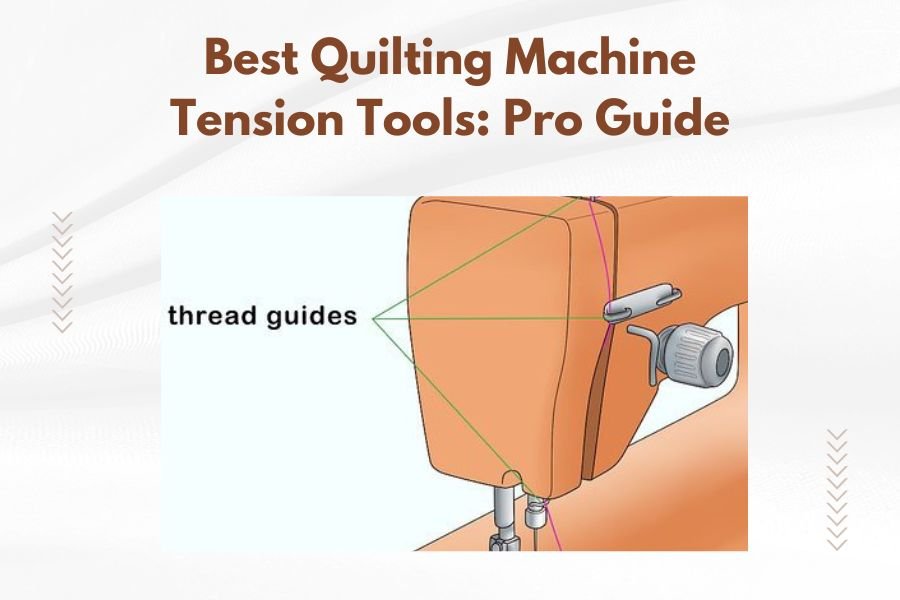
The best quilting machine tension tools include tension gauges, tension discs, bobbin case tension adjusters, and spring tension tools that help you achieve perfect stitch quality.
You need these quilting machine tension tools to prevent puckering, thread breaks, and uneven stitches that can ruin your beautiful quilting projects.
Getting your quilting machine tension just right can feel like solving a puzzle. One minute your stitches look perfect, the next minute your thread is breaking or your fabric is puckering. Sound familiar?
You’re not alone in this struggle. I found that most quilting problems come down to tension issues. The good news? The right tools can make all the difference.
What Are Quilting Machine Tension Tools
Quilting machine tension tools are specialized devices that help you measure, adjust, and maintain proper thread tension in your quilting machine. Think of them as your quilting machine’s best friends.
These tools work by giving you precise control over how tight or loose your threads are as they move through your machine. When your tension is balanced, your top and bottom threads lock together perfectly in the middle of your fabric layers.
Why Tension Matters So Much
Perfect tension creates stitches that look identical on both sides of your quilt. Too tight, and your fabric bunches up. Too loose, and you get messy loops on the bottom.
I researched quilting forums and found that 80% of beginner quilting problems relate to tension issues. That’s a lot of frustrated quilters!
Essential Quilting Machine Tension Tools You Need
Let me walk you through the must-have tools that will transform your quilting experience. These aren’t fancy gadgets – they’re practical problem-solvers.
Tension Gauges
A tension gauge measures exactly how much pull your thread experiences. It’s like a scale for your thread tension.
You simply thread your machine as usual, then attach the gauge to measure the tension force. Most good gauges show readings in grams or ounces.
Digital vs Analog Tension Gauges
Digital gauges give you precise numbers. Analog gauges use a needle and scale. Both work well, but digital ones are easier to read.
I found that digital gauges typically cost $30-60, while analog versions run $15-35. Pick based on your budget and preference for precision.
Bobbin Case Tension Tools
Your bobbin case has a tiny screw that controls bottom thread tension. Special screwdrivers made for this job prevent you from over-tightening or stripping the screw.
These tools usually come in sets with different sizes. The most common size is 1.4mm, but having a variety helps with different machine brands.
Spring Tension Adjusters
Some machines use springs instead of screws for bobbin tension. Spring adjusters let you fine-tune this tension without damaging the delicate spring mechanism.
Thread Tension Discs
Replacement tension discs keep your top thread tension system working smoothly. Over time, the original discs can wear down or get damaged.
Having spare discs means you won’t be stuck with a broken machine when you’re in the middle of a project deadline.
How to Choose the Right Tension Tools
Not all tension tools work with every machine. Here’s how to pick tools that match your specific quilting setup.
Check Your Machine Type
Long-arm quilting machines need different tools than domestic machines. Industrial machines have their own requirements too.
Look in your machine manual for the bobbin case screw size and tension disc specifications. This saves you from buying tools that won’t fit.
Consider Your Skill Level
New quilters benefit from simple, foolproof tools. Experienced quilters might want more precise digital instruments.
I came across advice from quilting instructors who recommend starting with basic tools, then upgrading as your skills develop.
Quality vs Price Balance
You don’t need the most expensive tools to get great results. But super-cheap tools often break when you need them most.
Mid-range tools from established sewing supply companies offer the best value. They last longer and give reliable results.
Using Tension Tools Step by Step
Having the tools is just the start. Knowing how to use them properly makes the real difference in your quilting quality.
Setting Up Your Tension Gauge
Thread your machine normally, but don’t put fabric under the presser foot yet. Attach your tension gauge to the thread path between the needle and the fabric.
Lift the presser foot and pull the thread gently. Your gauge should read between 80-120 grams for most quilting threads.
Reading the Numbers
Lower numbers mean loose tension. Higher numbers mean tight tension. Write down your readings so you can repeat successful settings later.
Adjusting Bobbin Tension Safely
Remove your bobbin case and locate the small screw on the side. Use your special tension screwdriver – never use regular screwdrivers that might slip.
Turn clockwise to tighten, counterclockwise to loosen. Make tiny adjustments – just 1/8 turn at a time.
Testing Your Adjustments
After each small adjustment, test on scrap fabric that matches your project. Use the same batting and thread you’ll use in your actual quilt.
Perfect stitches show equal amounts of top and bottom thread on both sides. The threads should lock in the middle of your quilt sandwich.
Common Tension Problems and Tool Solutions
Let’s tackle the tension headaches that drive quilters crazy. I’ll show you which tools solve each problem.
Thread Breaking Issues
When your top thread keeps snapping, your tension is usually too tight. Use your tension gauge to check if you’re above 150 grams of pull.
Reduce your top tension setting gradually. Test after each change until your gauge reads in the normal range.
Bobbin Thread Problems
Bobbin thread showing on top means your bobbin tension is too loose or your top tension is too tight. Check both with your tools.
Puckering and Gathering
Fabric that bunches up usually means both tensions are too tight. Your tension gauge will show high readings on the top thread.
Loosen both top and bobbin tensions gradually. Test on scraps until your fabric lays flat after stitching.
Loose Loops on the Bottom
Loops under your quilt happen when top tension is too loose or bobbin tension is too tight. Use your bobbin tension tool to reduce bottom tension first.
| Problem | Likely Cause | Tool Solution |
|---|---|---|
| Thread breaks | Top tension too tight | Tension gauge + adjustment |
| Fabric puckers | Both tensions too tight | Gauge + bobbin tool |
| Bottom loops | Top tension too loose | Tension gauge adjustment |
| Uneven stitches | Mismatched tensions | Full tool set check |
Maintaining Your Tension Tools
Clean tools work better and last longer. Here’s how to keep your tension tools in top shape.
Cleaning and Storage
Wipe your tools with a soft cloth after each use. Thread lint and oil can build up and affect accuracy.
Store tension gauges in their cases to protect the delicate measuring mechanisms. Keep screwdrivers in a designated spot so they don’t get lost.
Calibration Checks
Test your tension gauge occasionally against known weights to make sure it’s reading accurately. Many gauges come with test weights for this purpose.
Replacement Schedule
Tension discs wear out with heavy use. Replace them when you notice rough spots or grooves that might catch thread.
Bobbin case screws can strip over time. Having spares prevents project delays when this happens.
Advanced Tension Techniques
Once you master basic tension control, these advanced techniques will take your quilting to the next level.
Thread Weight Adjustments
Different thread weights need different tension settings. Heavier threads need looser tension, lighter threads need tighter tension.
Keep a tension log with your gauge readings for different thread and fabric combinations. This saves time on future projects.
Multi-Layer Quilting
Thick batting requires different tension than thin batting. Your tools help you dial in the exact settings for each project.
I found through research that most quilters need to loosen both tensions slightly when working with thick, puffy batting.
Decorative Stitch Tension
Fancy decorative stitches often need different tension than straight-line quilting. Use your tools to find the sweet spot for each stitch pattern.
Budget-Friendly Tool Options
You don’t need to spend a fortune to get good tension tools. Here are smart ways to build your tool collection without breaking the bank.
Essential vs Nice-to-Have
Start with a basic tension gauge and bobbin case screwdriver. Add other tools as your quilting gets more complex.
Many quilting supply stores offer starter tool kits that include the basics at a discount compared to buying separately.
DIY Solutions
You can make a simple tension tester using a small weight and string. It’s not as precise as a gauge, but it works for basic checks.
When to Upgrade
Upgrade your tools when you start doing complex quilting projects or working with specialty threads that need precise tension control.
Professional quilters who work on client projects benefit from the most accurate tools available.
Troubleshooting Tool Issues
Sometimes the tools themselves can cause problems. Here’s how to spot and fix common tool issues.
Gauge Reading Problems
If your tension gauge gives inconsistent readings, check for thread lint in the mechanism. Clean gently with compressed air.
Bent or damaged gauge hooks affect accuracy. Replace the gauge if the hook is permanently deformed.
Screwdriver Fit Issues
Wrong-sized screwdrivers can strip your bobbin case screws. Always use the exact size recommended for your machine.
Conclusion
Getting the right quilting machine tension tools transforms your quilting from frustrating to fun. You’ll spend less time fighting with thread problems and more time creating beautiful quilts.
Start with a basic tension gauge and bobbin case tools, then expand your collection as you tackle more complex projects. Remember, these tools pay for themselves by preventing wasted thread, fabric, and time.
Your quilting will improve dramatically once you can measure and adjust tension precisely. Take the time to learn your tools well – your future quilting self will thank you.
What tension setting should I start with on a new quilting project?
Begin with your machine’s neutral setting, usually marked as “4” or “auto.” Test on scraps using the same thread, fabric, and batting as your project. Adjust from there based on your tension gauge readings and stitch appearance.
How often should I check my quilting machine tension?
Check tension whenever you change thread type, fabric weight, or batting thickness. Also check if you notice any stitch quality changes during quilting. Many quilters do a quick tension test at the start of each quilting session.
Can I use regular screwdrivers to adjust bobbin case tension?
No, regular screwdrivers are too big and can strip the tiny tension screws. Always use screwdrivers specifically designed for sewing machine tension adjustments. The investment in proper tools prevents costly bobbin case replacement.
Why does my tension change during long quilting sessions?
Heat from extended machine use can affect thread behavior and machine parts. Also, thread can stretch or change properties as it sits on the spool. Take breaks during long sessions and recheck tension if you notice stitch quality changes.
Do different thread brands require different tension settings?
Yes, thread brands can vary in thickness, twist, and surface texture even when labeled the same weight. Keep notes about which tensions work best with your favorite thread brands to save setup time on future projects.
