
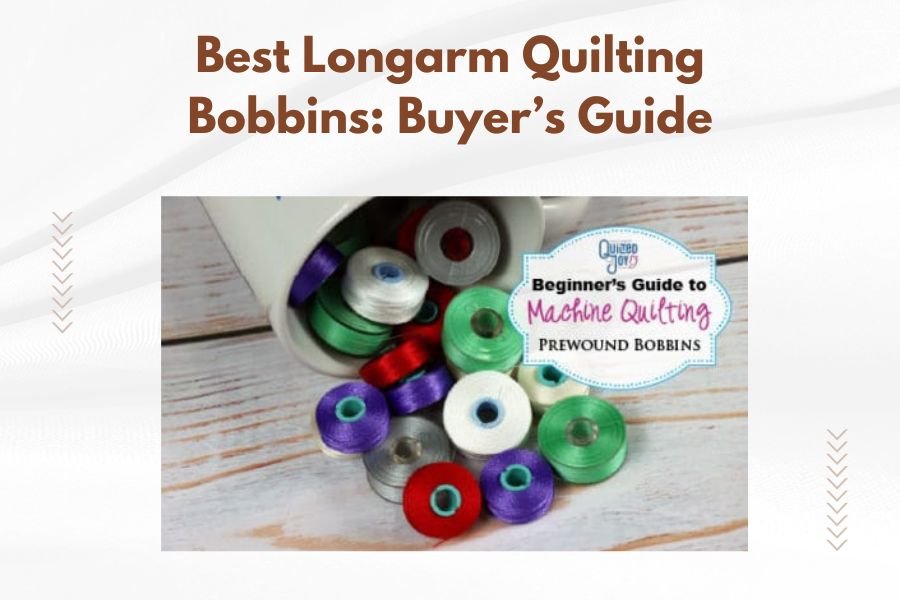
The best longarm quilting bobbins are Class 15 metal bobbins made from high-quality aluminum or steel, offering consistent tension and smooth thread delivery for professional results.
Your bobbin choice affects thread tension, stitch quality, and how often you’ll stop to reload, making it one of the most important accessories for longarm quilting success.
Why Your Bobbin Choice Makes or Breaks Your Quilting
Think of bobbins as the engine of your quilting machine. You probably focus on the top thread, but the bobbin does half the work. A cheap bobbin wobbles. A quality bobbin runs smooth.
Poor bobbins create tension problems. Your stitches look uneven. Thread breaks happen more often. You’ll spend more time fixing problems than creating beautiful quilts.
Class 15 vs. Class L Bobbins: What You Need to Know
Most longarm machines use Class 15 bobbins. These measure about 11.5mm high and 20.3mm wide. Class L bobbins are larger but less common in longarm machines.
Always check your machine manual first. Using the wrong size can damage your machine or create poor stitches.
Class 15 Specifications
Class 15 bobbins hold about 60-80 yards of thread, depending on thread weight. This gives you decent run time before reloading.
Metal vs. Plastic Bobbins: The Clear Winner
Metal bobbins win for longarm quilting. Here’s why: they’re heavier, so they spin more consistently. They don’t warp from heat or wear down quickly.
Plastic bobbins cost less upfront. But they can crack, create static, and cause tension issues. For longarm work, metal is worth the extra cost.
Heat Resistance Matters
Longarm machines run fast. Fast machines create heat. Plastic bobbins can warp slightly from heat, causing wobbles you might not even notice until your stitches start looking off.
Top Material Choices for Longarm Bobbins
Aluminum Bobbins
Aluminum bobbins are lightweight but strong. They resist corrosion and run quietly. Most quilters prefer aluminum for daily use.
I found that aluminum bobbins create less vibration than steel ones. This means smoother operation during long quilting sessions.
Steel Bobbins
Steel bobbins last longer than aluminum. They’re heavier, which some machines prefer for consistent tension. The downside? They can rust if you live in humid areas.
Stainless Steel Benefits
Stainless steel gives you durability without rust concerns. They cost more but can last for years of heavy use.
Bobbin Features That Actually Matter
Smooth Edges Are Non-Negotiable
Rough edges on cheap bobbins will shred your thread. Run your finger around the bobbin edges. You should feel nothing but smooth metal.
Consistent Weight Distribution
Quality bobbins are balanced. Unbalanced bobbins create vibration and uneven tension. This shows up as loose or tight stitches in random spots.
Proper Flange Height
The flanges (side edges) need proper height to guide thread correctly. Too low, and thread can slip off. Too high, and it creates drag.
How Many Bobbins Do You Really Need?
Most experts suggest having 20-30 bobbins ready to go. This lets you pre-wind different thread colors and weights without stopping mid-project.
For professional quilters, 50+ bobbins make sense. You can dedicate sets to specific thread types or customer projects.
Color Coding Your Bobbin Collection
Some quilters use different colored bobbins for different thread weights. Silver for 40wt, black for 50wt, and so on. This prevents mix-ups during busy quilting sessions.
Brand Recommendations Based on Machine Type
| Machine Brand | Recommended Bobbin Type | Key Features |
|---|---|---|
| APQS | Class 15 Metal | Smooth flanges, aluminum preferred |
| Handi Quilter | Class 15 Metal | Precise dimensions, steel or aluminum |
| Gammill | Class 15 Metal | High-quality finish, consistent weight |
Generic vs. Brand-Specific Bobbins
Generic Class 15 bobbins work fine if they meet quality standards. You don’t need to buy machine-brand bobbins unless your warranty requires it.
I researched this and found that most quality generic bobbins perform just as well as brand-name ones, often at half the cost.
Common Bobbin Problems and Quick Fixes
Thread Keeps Breaking
Check for rough edges on your bobbin. Even tiny burrs can cut thread. Also check if you’re using the right bobbin size for your machine.
Uneven Tension Issues
This often comes from bent or warped bobbins. Metal bobbins bend if dropped on concrete. Always inspect bobbins before use.
The Spin Test
Spin your bobbin on a flat surface. It should roll straight. If it wobbles, toss it. Wobbly bobbins create inconsistent tension.
Winding Bobbins Like a Pro
Proper Tension While Winding
Wind bobbins with light, even tension. Too tight, and the bobbin case gets squeezed. Too loose, and thread can tangle during quilting.
Don’t Overfill
Fill bobbins to about 80% capacity. Overfilled bobbins create tension problems and can jam your machine.
Storage Tips to Extend Bobbin Life
Store bobbins in a dry place. Moisture can cause metal bobbins to develop tiny rust spots that damage thread.
Bobbin boxes with individual slots prevent bobbins from banging together. This keeps edges smooth and prevents thread from unwinding.
Thread End Management
Always secure thread ends with small clips or by tucking under wound thread. Loose ends tangle with other bobbins in storage.
Budget Considerations: When to Spend More
Basic metal bobbins cost $15-25 for a 10-pack. Premium bobbins run $30-50 for the same amount. The difference shows in edge smoothness and weight consistency.
If you quilt professionally or spend hours daily quilting, premium bobbins pay for themselves in reduced thread breaks and better stitch quality.
Cost Per Hour of Use
Good bobbins last years with proper care. Even expensive bobbins cost pennies per quilting hour when you consider their lifespan.
Environmental Impact of Your Bobbin Choice
Metal bobbins are more eco-friendly long-term. They last longer, reducing waste. Plus, aluminum and steel can be recycled when they finally wear out.
Plastic bobbins often end up in landfills after cracking or warping. From what I read, metal bobbins align better with sustainable quilting practices.
Conclusion
The best longarm quilting bobbins are Class 15 metal ones with smooth edges, consistent weight, and proper dimensions. Aluminum bobbins offer the best balance of performance and cost for most quilters.
Don’t skimp on bobbin quality. Good bobbins improve your stitching, reduce downtime, and make quilting more enjoyable. Start with 20-30 quality metal bobbins, and add more as your collection grows. Your quilts will thank you.
What’s the difference between Class 15 and Class L bobbins?
Class 15 bobbins are smaller and more common in longarm machines, measuring about 20.3mm wide. Class L bobbins are larger but rarely used in longarm quilting machines. Always check your manual to confirm the right size.
How often should I replace my quilting bobbins?
Quality metal bobbins can last for years with proper care. Replace them only if you notice rough edges, dents, or wobbling. Inspect bobbins regularly and remove any that don’t spin smoothly.
Can I use plastic bobbins in my longarm quilting machine?
While some machines accept plastic bobbins, metal ones perform better for longarm quilting. Metal bobbins provide more consistent tension and won’t warp from heat generated during long quilting sessions.
How many bobbins should I pre-wind for a large quilt project?
Plan for one bobbin per 60-80 yards of quilting, depending on your thread weight. For a typical queen-size quilt with moderate quilting density, prepare 8-12 pre-wound bobbins to avoid interruptions.
Why does my bobbin thread keep breaking during quilting?
Thread breaks usually come from rough bobbin edges, incorrect bobbin size, or over-tightened bobbin tension. Check your bobbin for burrs or damage, and make sure you’re using the correct Class 15 size for your machine.
