
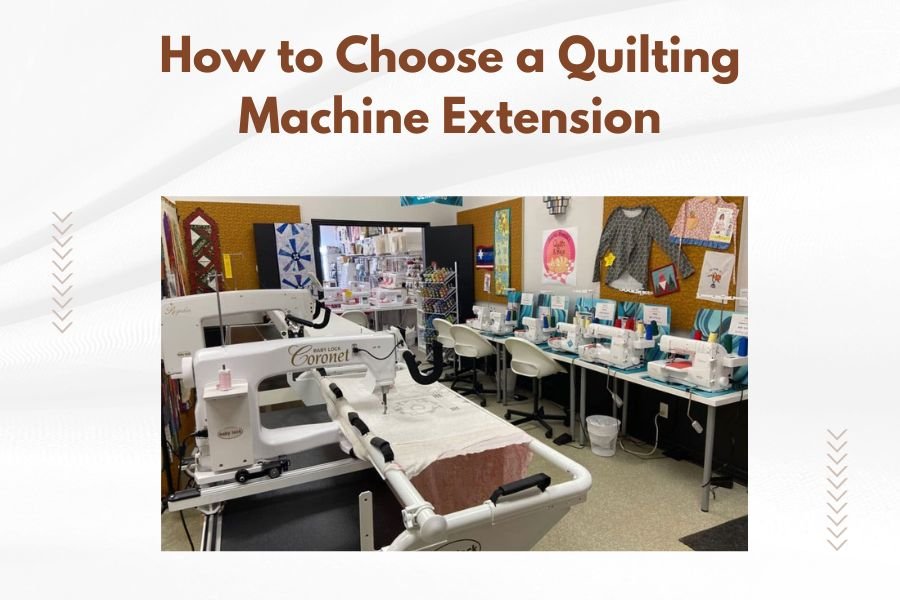
A quilting machine extension table provides additional workspace and support for large quilts, making it easier to maneuver fabric and maintain even stitching throughout your project.
The right quilting machine extension should match your machine’s height, offer adequate surface area for your typical projects, and include features like rulers grooves or adjustable legs based on your quilting style.
What Is a Quilting Machine Extension Table?
Think of a quilting machine extension as extra arms for your workspace. It attaches to your quilting machine and creates a larger, flat surface around the needle area.
Without this extra space, large quilts bunch up and create drag. Your stitching becomes uneven. Your arms get tired from supporting heavy fabric.
An extension table solves these problems by supporting the quilt’s weight. The fabric glides smoothly instead of pulling against you.
Types of Extension Tables Available
Extension tables come in several styles. Each serves different quilting needs.
Portable Extension Tables
These lightweight tables fold or detach easily. Perfect if you attend quilting classes or move your machine often.
They usually cost less than permanent options. But they may not feel as sturdy during heavy use.
Built-In Extension Tables
These attach directly to your machine’s cabinet or stand. They create one seamless work surface.
Built-in options offer the most stability. They work best for dedicated quilting rooms where the machine stays put.
Universal Extension Tables
These tables adjust to fit multiple machine brands and models. Great if you own different machines or plan to upgrade later.
The trade-off? They might not fit as perfectly as machine-specific options.
Key Features to Consider
Not all extension tables work the same way. Here’s what matters most when choosing yours.
Surface Area and Size
Bigger isn’t always better. Match the table size to your typical projects.
For lap quilts and wall hangings, a 24-inch extension works fine. For bed-sized quilts, look for 36 inches or more.
Measure your quilting space too. Will a large extension table fit in your room?
Height Matching
The extension surface must align perfectly with your machine’s throat plate. Even a small height difference creates fabric drag.
Most quality extensions include adjustable legs or leveling feet. This lets you fine-tune the height match.
Surface Material
The table surface affects how smoothly fabric moves. Smooth surfaces work best for most quilting.
Avoid rough or textured surfaces that catch on delicate fabrics. Laminate and smooth melamine work well.
Ruler Work Features
Do you use rulers for straight lines or geometric patterns? Look for tables with ruler grooves or slots.
These grooves guide your ruler and keep it stable during stitching. Without them, rulers can slip and ruin your design.
Groove Spacing and Size
Standard ruler groove spacing is typically 1 inch apart. But check what rulers you already own.
The groove depth matters too. Too shallow, and rulers won’t stay put. Too deep, and they’re hard to move smoothly.
Machine Compatibility Factors
Your extension table must work with your specific quilting machine. Here’s how to ensure a good match.
Machine Brand and Model
Some manufacturers make extensions designed for their machines. These usually offer the best fit.
For example, Janome extensions work seamlessly with Janome machines. The attachment points line up perfectly.
But don’t assume you must buy the same brand. Many third-party options work just as well for less money.
Throat Space Requirements
Measure the space to the right of your needle. This tells you the maximum extension width that will fit.
Also check the space behind your machine. Some extensions extend backward as well as sideways.
Attachment Method
How does the extension connect to your machine? The method affects stability and ease of setup.
Clamp-On Extensions
These use clamps or brackets to attach to your machine’s base. Quick to install and remove.
Make sure the clamps fit your machine’s dimensions. Some newer machines have curved bases that don’t work with standard clamps.
Insert-Style Extensions
These slide into slots or grooves in your machine. They create a very stable connection.
But they only work if your machine has the right attachment points. Check your manual first.
Budget Considerations
Extension tables range from under $100 to over $500. What drives these price differences?
Entry-Level Options
Basic extension tables cost $75-150. They provide extra workspace without fancy features.
These work fine for occasional quilters or those just starting ruler work. Don’t expect premium materials or perfect fit.
What You Get
- Basic flat surface extension
- Simple height adjustment
- Standard attachment hardware
- Limited size options
Mid-Range Extensions
Tables in the $150-300 range offer better materials and more features. This is the sweet spot for most quilters.
You’ll find ruler grooves, better height adjustment, and smoother surfaces in this price range.
Premium Features
- Ruler groove systems
- Precision height adjustment
- Higher quality surface materials
- Multiple size options
- Better attachment systems
High-End Extensions
Premium tables cost $300+ and target serious quilters. They often include custom features and superior build quality.
Is the extra cost worth it? That depends on how often you quilt and what features you need.
Installation and Setup Tips
Getting your extension table properly installed makes a huge difference in how well it works.
Height Adjustment Process
Start by placing a ruler across your machine’s throat plate and the extension surface. Look for gaps or height differences.
Adjust the extension legs until the surfaces are perfectly level. Even a 1/16-inch difference causes problems.
Test the setup by sliding fabric across the joint. You shouldn’t feel any bumps or catches.
Fine-Tuning the Alignment
Once the height is right, check that the extension doesn’t wobble or shift during use.
Tighten all clamps and adjustment screws. But don’t over-tighten – this can crack plastic parts.
Surface Preparation
Clean the extension surface before first use. Some tables have manufacturing residue that affects fabric movement.
A damp cloth usually works fine. Avoid harsh cleaners that might damage the surface.
Adding Surface Treatments
Some quilters add furniture wax to make fabric glide even better. Use paste wax designed for furniture, not spray products.
Apply a thin coat and buff it out completely. Too much wax makes fabric slip around uncontrollably.
Common Problems and Solutions
Even good extension tables can cause issues if not set up correctly. Here are the most common problems I found online and their fixes.
Fabric Catching at the Joint
This usually means the heights don’t match perfectly. Even tiny differences cause fabric to snag.
Re-check your height adjustment using a straight ruler. Look for any gaps or lips where the surfaces meet.
Temporary Gap Fixes
If you can’t eliminate a small gap completely, try clear tape over the joint. This creates a smooth transition.
Use high-quality packaging tape that won’t leave residue. Replace it when it gets dirty or starts peeling.
Extension Table Wobbling
Loose connections cause wobbling that affects stitch quality. Check all clamps and adjustment screws.
Also verify that your main quilting table is stable. An extension can’t be steadier than what it’s attached to.
Stabilizing Solutions
- Tighten all connection points
- Add rubber pads under extension legs
- Check that legs are all touching the floor
- Consider adding cross-bracing between legs
Maintenance and Care
Proper care keeps your extension table working smoothly for years. The good news? Maintenance is pretty simple.
Regular Cleaning
Wipe down the surface after each quilting session. Thread bits and fabric lint can build up and create drag.
Use a microfiber cloth slightly dampened with water. Avoid cleaning products unless the manufacturer recommends them.
Deep Cleaning Process
Monthly deep cleaning removes built-up residue from fabric treatments and hand oils.
Remove the extension from your machine first. Clean both the top and bottom surfaces thoroughly.
Hardware Inspection
Check clamps, screws, and adjustment mechanisms regularly. Vibration from quilting can loosen connections over time.
Tighten loose hardware, but don’t over-tighten. This can strip threads or crack plastic components.
Lubrication Needs
Some extension tables have moving parts that benefit from occasional lubrication. Check your manual for recommendations.
Use only lubricants specified by the manufacturer. The wrong type can attract dirt or damage seals.
Conclusion
Choosing the right quilting machine extension comes down to matching your specific needs, machine, and budget. Focus on getting the height alignment perfect, ensure the surface area fits your typical projects, and don’t forget about features like ruler grooves if you plan to use them. A well-chosen extension table transforms your quilting experience by providing the support and workspace your projects deserve. Take time to measure your setup carefully, read reviews from quilters with similar machines, and remember that a mid-range option often provides the best balance of features and value for most quilters.
Can I use any extension table with my quilting machine?
Not all extension tables work with every machine. You need to check compatibility based on your machine’s attachment points, throat space, and base dimensions before purchasing.
How do I know if my extension table height is correct?
Place a straight ruler across both your machine’s throat plate and the extension surface. There should be no gaps or height differences – the ruler should lie completely flat across both surfaces.
Do I need ruler grooves in my extension table?
Ruler grooves are only necessary if you plan to do ruler work for straight lines, geometric patterns, or other guided quilting techniques. For free-motion quilting only, a smooth surface works better.
What’s the minimum size extension table I should consider?
For most quilters, an 18-24 inch extension provides enough extra workspace for lap quilts and smaller projects. Bed-sized quilts typically need 30+ inches of additional surface area.
Can I make my own quilting machine extension table?
While possible, DIY extensions require precise measurements, proper materials, and woodworking skills to achieve the smooth surface and exact height matching that commercial tables provide. Most quilters find purchased options more reliable.
