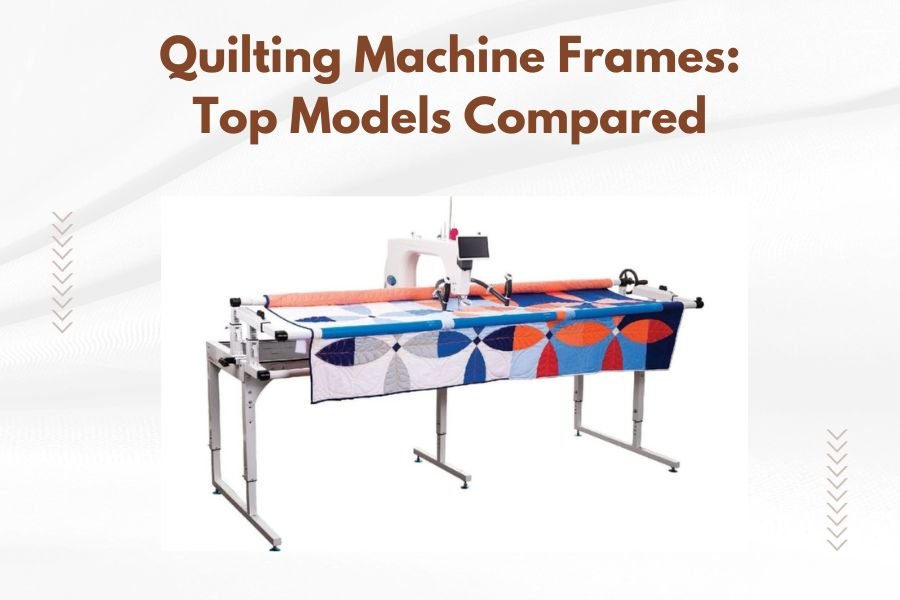
The best quilting machine frames for 2024 include the Grace Company Z44 Professional, Handi Quilter Sweet Sixteen, and Janome QuiltMaker Pro 18, each offering different throat spaces and features for various skill levels.
Your choice depends on your quilting style, available space, and budget, with prices ranging from $2,000 to $8,000 for complete frame systems.
What Makes a Great Quilting Machine Frame
You need more than just a sewing machine to create beautiful quilts. A quality frame transforms your quilting experience from cramped hand-wrestling to smooth, professional results.
Think of your frame as the foundation of a house. Without solid support, even the best quilting machine struggles. The frame holds your quilt sandwich tight and steady while you guide your stitches.
Key Features That Matter Most
Throat space tops the list of important features. This determines how much fabric you can maneuver under your machine. Bigger quilts need more room to breathe.
Frame stability comes next. Wobbly frames create uneven stitches and frustrated quilters. Look for solid construction that doesn’t shake when you’re stitching fast.
- Adjustable height for comfortable quilting posture
- Smooth-rolling wheels that track straight
- Easy tension adjustments for different batting types
- Quick setup and takedown options
- Compatibility with your existing machine
Top Professional Quilting Machine Frames
Grace Company Z44 Professional Frame
The Z44 Professional earns top marks from quilting studios nationwide. I found that many professional quilters choose this frame for its rock-solid stability and 10-foot quilting space.
This frame handles king-size quilts without breaking a sweat. The carriage system glides smoothly, and the tension controls respond precisely to your adjustments.
Z44 Strengths
- 44-inch throat space accommodates large designs
- Heavy-duty construction reduces vibration
- Works with most longarm quilting machines
- Professional-grade components last for years
Z44 Considerations
You’ll need a dedicated quilting room. This frame takes up serious space and isn’t meant for frequent moving. The price reflects its professional nature, starting around $6,500 for the complete system.
Handi Quilter Sweet Sixteen Frame System
The Sweet Sixteen bridges the gap between home and professional quilting. I came across many quilters who love its 16-inch throat space paired with a more manageable footprint.
This system works great in spare bedrooms or basement studios. You get longarm benefits without needing a warehouse-sized room.
Sweet Sixteen Benefits
- 16-inch throat space handles most home quilting projects
- Compact design fits standard rooms
- Simple setup process takes under an hour
- Excellent customer support network
Sweet Sixteen Limitations
Large quilts require more planning and repositioning. The smaller throat space means you’ll spend more time advancing your quilt through the frame.
Janome QuiltMaker Pro 18 Frame
Janome’s QuiltMaker Pro 18 brings precision engineering to frame quilting. Research shows this system offers some of the smoothest carriage movement in its price range.
The 18-inch throat space hits a sweet spot for many quilters. You get room for detailed work without overwhelming your space or budget.
QuiltMaker Pro Advantages
- 18-inch throat space balances size and maneuverability
- Precision-machined components ensure consistent performance
- Integrated lighting illuminates your work area
- Modular design allows customization
Mid-Range Frame Options
Baby Lock Coronet Frame System
The Coronet delivers solid performance at a friendlier price point. I found online that many quilting shops recommend this system for serious hobbyists ready to upgrade from domestic machines.
You get 16 inches of throat space and reliable construction. The frame feels sturdy without the premium price tag of professional models.
Coronet Frame Features
- 16-inch throat accommodates most home projects
- Adjustable table height prevents back strain
- Compatible with multiple machine models
- Good resale value holds investment
Tin Lizzie 18LS Long Arm Frame
Tin Lizzie offers excellent value for growing quilters. The 18LS provides longarm capabilities at domestic machine prices.
This frame system works well for quilters transitioning from small domestic machines. You’ll notice the difference immediately in stitch quality and ease of quilting.
Tin Lizzie 18LS Highlights
- 18-inch throat space expands creative possibilities
- Sturdy steel construction ensures stability
- Simple operation reduces learning curve
- Competitive pricing makes longarm quilting accessible
Budget-Friendly Frame Solutions
Grace Company Q-Zone Hoop Frame
The Q-Zone takes a different approach to frame quilting. Instead of rolling your quilt, this system uses large hoops to section your project.
You can use your existing domestic sewing machine with this frame. It’s perfect for quilters who want frame benefits without buying a dedicated longarm machine.
Q-Zone Advantages
- Works with most domestic sewing machines
- Significantly lower cost than longarm systems
- Easy storage when not in use
- Good introduction to frame quilting
Flynn Multi-Frame System
Flynn’s Multi-Frame offers modular flexibility. You can start with a basic setup and add components as your skills and budget grow.
This system appeals to quilters who like to customize their workspace. The modular design lets you build exactly what you need.
| Frame Model | Throat Space | Price Range | Best For |
|---|---|---|---|
| Grace Z44 Professional | 44 inches | $6,500-$8,000 | Professional studios |
| Handi Quilter Sweet Sixteen | 16 inches | $4,000-$5,500 | Serious hobbyists |
| Janome QuiltMaker Pro 18 | 18 inches | $5,000-$6,500 | Precision quilting |
| Baby Lock Coronet | 16 inches | $3,500-$4,500 | Mid-range quilters |
| Grace Q-Zone | Varies | $800-$1,200 | Budget-conscious beginners |
Choosing the Right Frame Size
Room Size Considerations
Your space determines your options more than your budget sometimes. Measure twice, buy once applies perfectly here.
A 10-foot frame needs at least 12 feet of room length. Don’t forget width requirements and space to walk around comfortably.
Space Planning Tips
- Add 2 feet to frame length for walking space
- Consider ceiling height for quilts hanging down
- Plan electrical outlets near your quilting position
- Think about storage for batting and fabric
Throat Space vs Project Size
Bigger isn’t always better when it comes to throat space. A huge frame can feel overwhelming for small wall hangings.
Most quilters find 16-18 inches handles their typical projects well. You can always work larger quilts in sections if needed.
Frame Maintenance and Setup
Regular Maintenance Tasks
Your frame investment deserves proper care. Regular maintenance keeps everything running smoothly and extends frame life.
Clean your rails weekly if you quilt frequently. Dust and lint buildup causes tracking problems and uneven stitching.
Monthly Maintenance Checklist
- Lubricate all moving parts according to manufacturer specs
- Check and adjust wheel alignment
- Inspect tension systems for wear
- Clean and oil carriage bearings
- Test all adjustment mechanisms
Common Setup Mistakes
Many quilters rush through frame setup and pay for it later. Taking time initially saves frustration during quilting.
Level your frame first, before loading any fabric. An uneven frame creates tension problems that show up in your finished quilt.
Setup Best Practices
- Use a level to check frame alignment
- Load backing fabric with consistent tension
- Center your quilt sandwich carefully
- Test stitch quality before starting your project
Cost vs Value Analysis
Initial Investment Considerations
Frame quilting systems represent a significant purchase. Think beyond the sticker price to total cost of ownership.
A quality frame lasts decades with proper care. Divide the purchase price by years of use to see the real value.
Hidden Costs to Consider
Frames need accessories and maintenance supplies. Budget for these ongoing expenses when making your decision.
- Replacement parts and wear items
- Additional table surfaces or storage
- Upgraded lighting systems
- Specialty rulers and templates
- Maintenance tools and lubricants
Conclusion
Choosing the right quilting machine frame transforms your quilting from a struggle to pure joy. The Grace Company Z44 Professional leads for serious quilters with space and budget. The Handi Quilter Sweet Sixteen offers the best balance of features and size for most home quilters.
Remember that your perfect frame matches your space, budget, and quilting goals. Start with what fits your current needs, knowing that quality frames hold their value well for future upgrades. Your quilts will thank you for the investment in proper support and stability.
What’s the difference between a quilting frame and a quilting hoop?
Quilting frames hold your entire quilt stretched flat while you work, allowing for consistent tension and professional results. Hoops only secure small sections at a time and work better for hand quilting or detailed machine work on smaller projects.
Can I use my regular sewing machine with a quilting frame?
Some frames like the Grace Q-Zone work with domestic sewing machines, but most professional frames require dedicated longarm quilting machines. Check compatibility before purchasing to avoid expensive surprises.
How much space do I need for a quilting machine frame?
Plan for at least 2 feet beyond each end of your frame length, plus 3-4 feet of width for comfortable movement. A typical 10-foot frame needs a room at least 14 feet long by 8 feet wide.
Do quilting frames require special installation?
Most frames assemble with basic tools and don’t require permanent installation. You’ll need level floors and adequate electrical outlets, but frames typically sit on adjustable legs rather than mounting to walls or floors.
How often should I service my quilting machine frame?
Clean your frame after every few projects and perform thorough maintenance monthly. Professional servicing once yearly keeps complex frames running smoothly, while simpler frames may only need attention when problems arise.