Thread lubricant reduces friction between your thread and sewing machine, preventing breaks and tension issues during quilting projects.
Using thread lubricant creates smoother stitching, reduces thread shredding, and helps maintain consistent tension for professional-looking quilts.
What Is Thread Lubricant and Why Do You Need It?
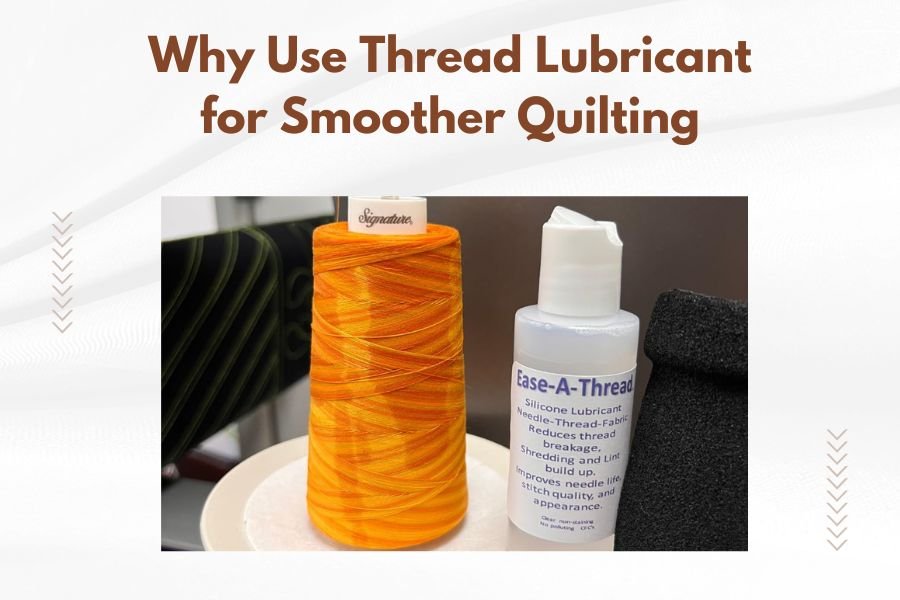
Thread lubricant is a silicone-based product that coats your thread as it passes through your sewing machine. Think of it like oil for your car engine – it keeps everything running smoothly.
When you quilt without lubricant, your thread rubs against metal parts inside your machine. This friction heats up the thread and weakens it. Ever wonder why your thread keeps breaking right when you’re in the zone? That’s friction talking.
How Thread Lubricant Works
The lubricant creates a thin barrier between your thread and machine parts. This coating reduces heat buildup and prevents the thread from catching on rough spots.
Your thread glides through the tension discs, guides, and needle eye much easier. It’s like the difference between sliding down a dry slide versus a water slide.
Top Benefits of Using Thread Lubricant for Quilting
Prevents Thread Breakage
Thread breaks are the biggest frustration in quilting. Research shows that friction causes up to 70% of thread breaks in home sewing machines.
With lubricant, your thread stays strong from start to finish. You’ll spend less time re-threading and more time creating beautiful quilts.
Reduces Thread Shredding and Fuzzing
Have you noticed your thread looking fuzzy or frayed after stitching? That’s damage from rough machine surfaces.
Thread lubricant keeps the fibers smooth and intact. Your finished quilt will have cleaner, more professional-looking stitches.
Improves Stitch Quality
Smooth thread creates even stitches. When your thread flows easily, your machine can maintain consistent tension and timing.
You’ll see fewer skipped stitches and more uniform stitch length. Your quilting patterns will look crisp and precise.
Better Thread Tension Control
Friction makes it harder for your machine to control thread tension. Lubricant helps the tension discs grip and release the thread properly.
This means fewer tension adjustments and more predictable results across different thread types.
When Should You Use Thread Lubricant?
With Metallic and Specialty Threads
Metallic threads are notorious for breaking and shredding. The metal fibers create more friction than cotton or polyester.
Thread lubricant is almost essential for metallic threads. It tames these tricky threads and makes them behave like regular thread.
During Dense Quilting Projects
Heavy quilting puts extra stress on your thread. Multiple layers of fabric and batting create more resistance.
Use lubricant when you’re doing dense stippling, detailed appliqué, or thick layer quilting. Your thread will thank you.
Free Motion Quilting Sessions
Free motion quilting moves the thread in all directions quickly. This creates heat and friction from constant direction changes.
Lubricant keeps the thread flowing smoothly even during rapid movements and tight curves.
With Older Sewing Machines
Older machines often have rougher internal surfaces. Years of use can create tiny scratches and burrs that catch thread.
Thread lubricant helps compensate for these imperfections. It’s like giving your vintage machine a modern upgrade.
Types of Thread Lubricants Available
Silicone-Based Lubricants
Most thread lubricants use silicone as the main ingredient. Silicone creates a slippery coating that doesn’t attract lint or dust.
These lubricants work well with all thread types and won’t stain your fabric. They’re the most popular choice among quilters.
Wax-Based Products
Some quilters prefer thread wax or beeswax products. These create a protective coating but can leave residue on your machine.
Wax works well for hand quilting but isn’t ideal for machine quilting at high speeds.
Spray vs. Liquid Application
Thread lubricants come in spray bottles or small liquid dispensers. Sprays cover larger areas quickly but may overspray.
Liquid applicators give you more control but take longer to apply. Choose based on your project size and preferences.
How to Apply Thread Lubricant Properly
Direct Thread Application Method
The easiest method is applying lubricant directly to your thread cone or spool. Place a small amount on the thread as it unwinds.
Start your machine slowly to distribute the lubricant evenly. The thread will carry the coating through all machine parts.
Machine Path Application
You can also apply lubricant to specific machine parts where thread passes. Focus on tension discs, thread guides, and the needle area.
Use very small amounts – a little goes a long way. Too much lubricant can attract dirt and affect stitch quality.
Application Frequency
Apply lubricant every few hours of continuous quilting. Watch for signs that you need more – thread breaks or increased friction noise.
Different threads and projects may need different application schedules. Start conservative and increase as needed.
Common Thread Lubricant Mistakes to Avoid
Using Too Much Product
More isn’t always better with thread lubricant. Excess product can gum up your machine and attract lint.
Start with tiny amounts and add more only if needed. Your thread should glide smoothly without feeling sticky or slippery.
Wrong Product for Your Thread Type
Some lubricants work better with certain thread materials. Check the product label for compatibility with your thread.
Cotton threads may need different lubricants than synthetic or metallic threads. When in doubt, test on a small sample first.
Forgetting to Clean Your Machine
Thread lubricant can mix with lint and create buildup over time. Clean your machine regularly to prevent problems.
Pay special attention to the bobbin area and feed dogs where lubricant and debris collect.
Alternatives to Commercial Thread Lubricants
Household Options
Some quilters use dryer sheets or fabric softener as thread lubricant. These can work in a pinch but aren’t designed for sewing machines.
Household products may leave residue or cause staining. Commercial lubricants are formulated specifically for sewing and are usually safer.
Natural Alternatives
Beeswax is a natural option that many hand quilters prefer. It works for machine quilting but can build up over time.
Some quilters use a light coating of soap on their thread. This creates lubrication but may not last as long as commercial products.
Thread Lubricant vs. Machine Oil
| Feature | Thread Lubricant | Machine Oil |
|---|---|---|
| Purpose | Reduces thread friction | Lubricates machine parts |
| Application | On thread and thread path | On moving metal parts |
| Frequency | Every few hours of use | Monthly or per manual |
| Effect on fabric | Usually no staining | Can stain if over-applied |
Why You Need Both
Thread lubricant and machine oil serve different purposes. You can’t substitute one for the other effectively.
Think of thread lubricant as a performance booster and machine oil as basic maintenance. Your quilting setup needs both to work its best.
Conclusion
Thread lubricant is a simple tool that makes a big difference in your quilting experience. It prevents thread breaks, reduces friction, and improves stitch quality across all your projects.
Whether you’re working with tricky metallic threads or tackling a dense quilting pattern, thread lubricant helps your machine run smoothly. The small investment in lubricant saves time, reduces frustration, and creates better-looking quilts.
Start with a quality silicone-based lubricant and apply it sparingly. Pay attention to how your thread behaves and adjust your usage accordingly. Your quilting projects will flow more smoothly and look more professional.
Does thread lubricant work with all sewing machine brands?
Yes, thread lubricant works with all sewing machine brands and models. The lubricant affects the thread itself rather than machine mechanics, so it’s universally compatible with any machine that uses standard threads.
Can thread lubricant cause problems with my fabric?
Quality thread lubricants are designed not to stain or damage fabric. Most silicone-based products evaporate or absorb completely, leaving no residue on your finished quilt. Always test on a fabric scrap first if you’re concerned.
How long does thread lubricant last on the thread?
Thread lubricant typically lasts 2-4 hours of continuous sewing, depending on your machine speed and thread type. You’ll notice when it wears off because thread breaks or friction noise will return.
Is thread lubricant safe to use around children and pets?
Most commercial thread lubricants are non-toxic when used as directed. Keep containers away from children and ensure good ventilation when applying spray types. Check the product label for specific safety information.
Will thread lubricant void my sewing machine warranty?
Thread lubricant should not void your machine warranty since it doesn’t modify or damage machine components. If you’re concerned, check your warranty terms or contact your machine manufacturer for clarification.