A good quilting machine cover should protect your machine from dust, moisture, and accidental damage while allowing easy access for regular use.
Choose covers made from water-resistant materials with proper ventilation, secure closures, and the right fit for your specific quilting machine model.
Your quilting machine is a big investment. Just like you wouldn’t leave your car outside without protection, your machine needs a shield too. But not all covers work the same way.
I researched what makes quilting machine covers effective. The right cover keeps dust away, prevents moisture damage, and protects against bumps. The wrong one can trap humidity or fall off when you need protection most.
What Makes a Good Quilting Machine Cover
Good covers share three main qualities. They fit well, use the right materials, and stay put when you need them.
Think of it like buying a winter coat. You want something that fits your body, keeps out wind and rain, and has zippers that actually work. Same idea with machine covers.
Material Quality Matters Most
The best covers use water-resistant fabrics. Canvas works well for heavy-duty protection. Vinyl stops spills but can trap moisture if it doesn’t breathe.
Many experts recommend quilted covers. They add padding while still protecting from dust. The quilted layers also help absorb small impacts.
Breathable vs Waterproof
You might think waterproof sounds better. But machines need air circulation. Completely sealed covers can create condensation problems.
Look for water-resistant materials instead. They repel spills but let air move. This prevents that musty smell you get with trapped moisture.
Getting the Right Fit
Size matters more than you might think. Too loose and the cover slides around. Too tight and it stretches or tears.
Measure your machine first. Get the width, depth, and height with the thread stand up. Don’t forget to account for any attachments you keep on the machine.
Custom vs Universal Covers
Custom covers cost more but fit perfectly. Universal covers work for multiple machines but might not protect every part.
I found that most quilters prefer custom covers for expensive machines. Universal covers work fine for basic protection on a budget.
How to Measure Your Machine
Start with your machine in normal position. Measure from the furthest points in each direction. Include the thread stand, extension table, and any permanent attachments.
Write these numbers down. Most cover manufacturers need exact dimensions for custom orders.
Essential Features to Look For
Good covers have features that make them easy to use. You’ll put this cover on and off many times. Make it simple for yourself.
Closure Systems
Zippers work well but can break. Velcro stays strong but collects lint over time. Drawstrings adjust to different sizes but don’t always stay tight.
Many quilters like combination systems. A drawstring bottom with velcro panels gives you both security and flexibility.
Access Panels
Some covers have openings that let you access controls without removing the whole cover. Great for quick adjustments but not necessary for most people.
These work best if you use your machine daily. For occasional quilters, full removal and replacement works fine.
Storage Pockets
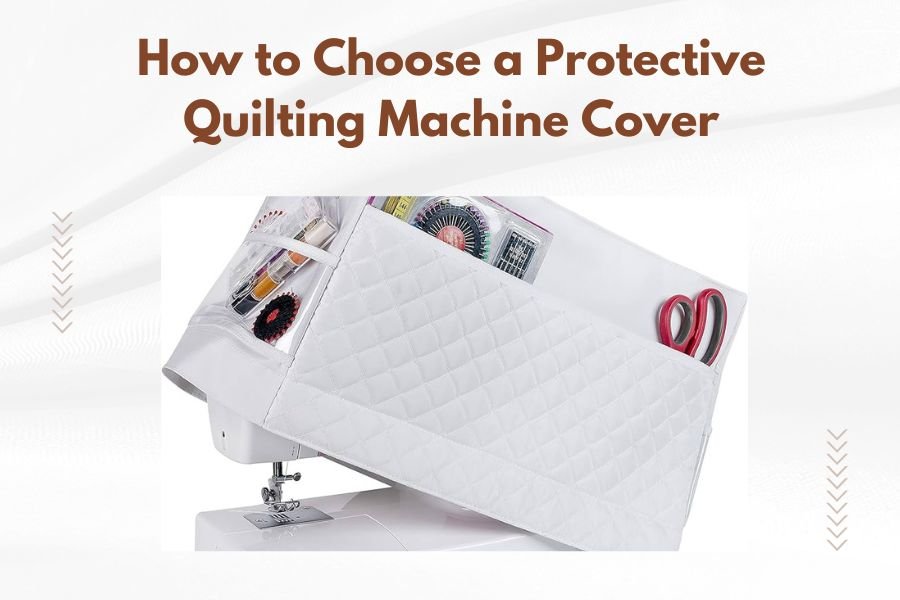
Built-in pockets hold accessories like extra bobbins or cleaning tools. Handy feature but adds cost.
Think about whether you’ll actually use the pockets. If you already have good storage solutions, skip this feature.
Types of Quilting Machine Covers
Covers come in different styles for different needs. Your choice depends on how and where you use your machine.
Dust Covers for Daily Use
Light covers that slip on and off quickly. Perfect for machines that get used several times per week.
These usually cost less and take up minimal storage space. They protect against dust but not heavy impacts.
When to Use Dust Covers
If your machine stays in a dedicated sewing room, dust covers work great. They keep particles out between projects without heavy protection.
Not ideal for machines stored in basements, garages, or areas with temperature changes.
Heavy-Duty Storage Covers
Thick, padded covers for long-term storage or harsh conditions. Cost more but protect against impacts, moisture, and temperature swings.
Research shows that temperature changes can affect machine timing and tension. Heavy covers help moderate these changes.
Best for Seasonal Storage
If you only quilt certain times of year, heavy covers keep machines safe during off months. They also work well in multi-purpose rooms where accidents might happen.
Budget Considerations
Cover prices range from twenty dollars to over two hundred. Your machine’s value should guide your spending.
A basic rule: spend about 5-10% of your machine’s value on protection. So a $2000 machine deserves a $100-200 cover.
When to Spend More
High-end machines need better protection. They have more sensitive electronics and precise parts.
Also spend more if your storage area has risks. Basements, garages, and busy craft rooms need heavy-duty covers.
Money-Saving Options
Universal covers cost less than custom ones. They provide good basic protection for most machines.
Some quilters make their own covers. If you enjoy sewing, this can save money while getting exactly what you want.
Common Cover Problems
Even good covers can have issues. Know what to watch for so you can fix problems early.
Trapped Moisture
The biggest problem with any cover. Happens when air can’t circulate or when you cover a machine that’s still warm.
Always let your machine cool down before covering. If you notice condensation, remove the cover and let everything dry completely.
Preventing Moisture Problems
Choose covers with ventilation features. Avoid covering machines in very humid conditions.
Some people put moisture-absorbing packets under covers in damp areas. Just make sure they don’t touch the machine directly.
Cover Wear and Tear
Frequent use wears out closures and fabric. Zippers break, velcro loses grip, and fabric can tear.
Inspect your cover regularly. Replace it when protection starts failing. A worn cover is worse than no cover.
| Cover Type | Best For | Price Range | Durability |
|---|---|---|---|
| Dust Cover | Daily use, clean environments | $20-60 | 1-2 years |
| Padded Cover | Weekly use, moderate protection | $60-120 | 3-5 years |
| Heavy-Duty | Storage, harsh conditions | $120-250 | 5+ years |
Special Considerations
Some situations need extra thought when choosing covers. Your specific setup might have unique requirements.
Multi-Machine Setups
If you have several machines, buying individual covers gets expensive. Some manufacturers offer package deals.
You might also consider room-level protection like air filtration instead of individual covers for every machine.
Longarm Quilting Machines
These huge machines need special covers. Most are custom-made due to the size and frame requirements.
Longarm covers often come in sections. One for the machine head, another for the frame rails. This makes handling easier.
Maintaining Your Cover
A clean cover protects better than a dirty one. Dust and grime on the cover can transfer to your machine.
Most covers can go in washing machines on gentle cycles. Check the care label first. Air dry to prevent shrinking.
Storage When Not in Use
Fold covers carefully to prevent creases that could become weak spots. Store in a dry place away from sharp objects.
Some quilters keep covers in the same storage area as their fabric. This keeps everything together and makes setup easier.
Conclusion
Choosing the right quilting machine cover comes down to matching protection level with your needs and budget. A machine used daily in a clean sewing room needs different protection than one stored in a basement workshop.
Focus on proper fit, quality materials, and features you’ll actually use. Your quilting machine represents a significant investment in your hobby or business. The right cover keeps that investment safe while making your quilting life easier.
Remember that no cover works perfectly in every situation. But a thoughtfully chosen cover will protect your machine for years and give you peace of mind every time you walk away from your sewing space.
What size cover do I need for a Brother quilting machine?
Measure your specific Brother model with all attachments in place. Most Brother quilting machines need covers between 24-28 inches wide and 16-20 inches deep, but models vary significantly in size.
Can I wash my quilting machine cover in the washing machine?
Most fabric covers can be machine washed on gentle cycles with mild detergent. Avoid hot water and always air dry. Vinyl covers should be wiped clean with damp cloths instead of machine washing.
How often should I replace my quilting machine cover?
Replace covers when closures fail, fabric tears, or water resistance breaks down. Quality covers typically last 3-5 years with regular use. Daily use covers may need replacement every 1-2 years.
Do I need a different cover for storing versus daily use?
Light dust covers work fine for daily use in clean environments. Long-term storage or harsh conditions require heavier, padded covers with better moisture protection. Many quilters own both types.
Should I cover my quilting machine while it’s still warm?
Never cover a warm machine as this creates condensation that can damage electronics and cause rust. Wait at least 30 minutes after use before covering to allow complete cooling and air circulation.