The best quilting machine oil should be clear, odorless, and specifically designed for sewing machines, with white mineral oil or synthetic options being most recommended.
You’ll want to avoid household oils like WD-40 or 3-in-1 oil, as these can damage your quilting machine’s delicate components and attract dust over time.
Why Your Quilting Machine Needs the Right Oil
Think of your quilting machine like a car engine. Without proper lubrication, metal parts grind against each other. This creates heat, wear, and eventually breaks down your machine.
Your quilting machine runs thousands of stitches per minute. Each stitch involves multiple moving parts working together. The right oil keeps these parts gliding smoothly.
I found that many quilters use whatever oil they have lying around. This often leads to costly repairs that could have been avoided.
What Happens Without Proper Oil
Dry machine parts create friction. Friction leads to several problems you definitely want to avoid.
Your machine starts making grinding or squeaking sounds. Thread tension becomes inconsistent. Stitches look uneven or skip entirely.
Worst case? Internal parts wear out faster than they should. You’ll face expensive repairs or need to replace your machine sooner.
Types of Quilting Machine Oil
Not all oils work the same way. Let me break down your main options so you can choose wisely.
White Mineral Oil
This is the gold standard for most quilting machines. White mineral oil is clear, refined, and stays liquid at room temperature.
It doesn’t go rancid like plant-based oils. It won’t attract dust or lint like thicker oils do. Most sewing machine manufacturers recommend this type.
I researched several quilting forums and found that experienced quilters prefer white mineral oil for its reliability and clean operation.
Benefits of White Mineral Oil
- Won’t turn sticky or thick over time
- Colorless so it won’t stain your fabric
- Doesn’t attract lint or dust
- Works well in different temperatures
- Affordable and widely available
Synthetic Quilting Machine Oils
Synthetic oils are engineered specifically for sewing machines. They often perform better than mineral oils in extreme conditions.
These oils resist breaking down under heat. They flow more consistently and last longer between applications.
From what I read in industry publications, synthetic oils cost more upfront but may save money long-term through better protection.
When to Choose Synthetic Oil
You quilt for many hours each day. Your machine runs at high speeds regularly. You live in a very hot or cold climate.
Your machine manufacturer specifically recommends synthetic oil. You want the longest possible intervals between oiling sessions.
Brand-Specific Oils
Many quilting machine brands sell their own oils. These are usually white mineral oil or synthetic blends with their label.
Brand oils often cost more than generic options. But they guarantee compatibility with your specific machine model.
I found online that most brand oils perform similarly to quality generic alternatives. The main benefit is peace of mind and warranty protection.
Oils to Avoid Completely
Some oils seem like good alternatives but can seriously damage your quilting machine. Stay away from these options.
WD-40 and Penetrating Oils
WD-40 isn’t actually a lubricant. It’s a water-displacing solvent that evaporates quickly. Using it leaves your machine parts dry and unprotected.
Penetrating oils are designed to break through rust and corrosion. They’re too thin and volatile for long-term lubrication.
3-in-1 Oil and Multi-Purpose Oils
These household oils contain additives that attract dirt and lint. Over time, they turn gummy and clog your machine’s mechanisms.
Multi-purpose oils often have detergents or other chemicals that can damage rubber seals and plastic parts in your quilting machine.
Cooking Oils and Natural Oils
Vegetable oil, olive oil, and other food oils turn rancid. Rancid oil becomes thick and sticky, jamming your machine’s moving parts.
Natural oils also attract bacteria and can create unpleasant odors in your sewing space.
Key Features to Look For
When shopping for quilting machine oil, certain characteristics separate good options from poor ones.
Viscosity and Flow Rate
Your oil should flow easily at room temperature. It shouldn’t be thick like honey or thin like water.
The right viscosity ensures oil reaches tight spaces between machine parts. But it also needs to stay in place and provide lasting protection.
Many experts say that oils labeled for sewing machines already have the correct viscosity for your application.
Clarity and Color
Quality quilting machine oil looks completely clear, like water. Any yellow, brown, or cloudy appearance suggests impurities or age.
Clear oil won’t stain your fabric if a tiny amount gets where it shouldn’t. Colored oils can leave permanent marks on light fabrics.
Testing Oil Quality
Hold the oil bottle up to a light source. Good oil should be crystal clear with no particles floating inside.
Shake the bottle gently. The oil should flow smoothly without forming thick bubbles that stick to the sides.
Odor Characteristics
High-quality quilting machine oil has little to no smell. Strong chemical odors often indicate lower refinement or added substances you don’t want.
Odorless oil makes your sewing sessions more pleasant. It won’t compete with the smells of fabric or interfere with your workspace comfort.
Application Methods and Tools
Having great oil means nothing if you can’t apply it properly. The right tools make oiling quick and precise.
Precision Applicator Tips
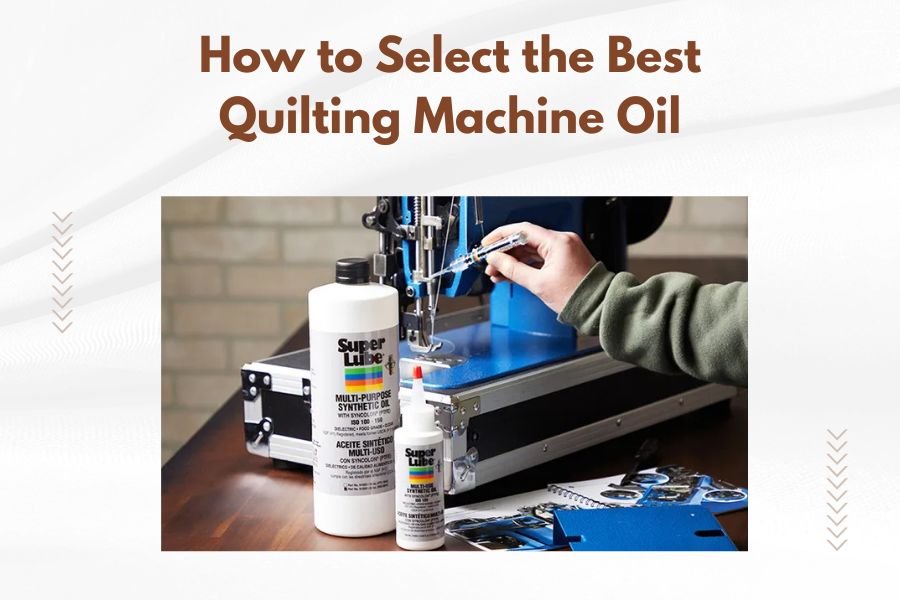
Most good quilting machine oils come with pointed applicator tips. These help you place oil exactly where it’s needed without waste.
If your oil doesn’t have a precision tip, you can buy them separately. They attach to most standard oil bottles.
Alternative Application Tools
Small brushes work well for spreading oil evenly across larger surfaces. Clean cotton swabs help remove excess oil after application.
Some quilters prefer oil pens for very precise work. These look like markers but dispense a small, controlled amount of oil.
How Often Should You Oil Your Machine
Oiling frequency depends on how much you quilt and what type of projects you work on.
I found that most quilting machine manuals suggest oiling after every 8-10 hours of use. Heavy quilting with thick batting may require more frequent oiling.
Signs Your Machine Needs Oil
Listen to your machine while it runs. Squeaking, grinding, or unusual noises often mean it’s time to oil.
Check your stitches regularly. Skipped stitches or uneven tension can indicate insufficient lubrication in key mechanisms.
Feel the handwheel when your machine is off. It should turn smoothly without catching or resistance.
| Usage Level | Hours Between Oiling | Projects Between Oiling |
|---|---|---|
| Light quilting | 10-15 hours | 2-3 large quilts |
| Regular quilting | 8-10 hours | 1-2 large quilts |
| Heavy quilting | 6-8 hours | 1 large quilt |
| Professional use | 4-6 hours | Daily maintenance |
Storage and Shelf Life
Proper storage keeps your quilting machine oil effective for years. Poor storage can ruin even the best oil.
Temperature Control
Store oil in a cool, dry place away from direct sunlight. Extreme temperatures can change oil consistency or cause containers to leak.
Room temperature storage works perfectly for most climates. Avoid storing oil in hot attics or damp basements.
Container Integrity
Keep oil in its original container when possible. The original packaging protects against contamination and provides important product information.
If you must transfer oil, use clean glass or high-quality plastic containers. Metal containers can sometimes react with oil over time.
Checking for Degradation
Oil that has gone bad may look cloudy or develop particles. It might smell different than when fresh.
When in doubt, replace your oil. Using degraded oil can cause more problems than using no oil at all.
Budget Considerations
You don’t need to spend a fortune on quilting machine oil. But extremely cheap options often create problems that cost more to fix.
Cost Per Application
Calculate cost based on how much oil you use each time, not just the bottle price. A slightly more expensive oil that lasts longer may actually save money.
I researched prices and found that most quality quilting machine oils cost between $8-15 for enough oil to last casual quilters 6-12 months.
Bulk Buying Considerations
Professional quilters or active hobbyists might save money buying larger quantities. But remember that oil does have a shelf life.
Only buy in bulk if you’ll use the oil within 2-3 years. Savings disappear if you have to throw away expired oil.
Reading Your Machine Manual
Your quilting machine manual contains specific oil recommendations from the manufacturer. This information can save you from making expensive mistakes.
Look for sections about maintenance, lubrication, or care instructions. These usually list approved oil types and oiling locations.
Some manufacturers warn against certain oil types that could void your warranty. Following manual guidelines protects both your machine and your investment.
When Manuals Disagree with General Advice
Always follow your machine manual over general recommendations. Manufacturers know their machines better than anyone else.
If your manual says to use only synthetic oil, don’t substitute mineral oil just because it’s cheaper. The manual’s advice is based on your machine’s specific design.
Common Mistakes to Avoid
Even experienced quilters sometimes make oiling mistakes that can damage their machines. Let me help you avoid these problems.
Over-Oiling Your Machine
More oil isn’t always better. Too much oil attracts lint and dust, creating a gummy mess in your machine’s mechanisms.
Excess oil can also get on your fabric during quilting. This creates stains that are difficult or impossible to remove.
Oiling the Wrong Places
Not every part of your quilting machine needs oil. Some areas have sealed bearings or special lubricants that shouldn’t be disturbed.
Adding oil to electronic components can cause shorts or permanent damage. Always check your manual for approved oiling points.
Safe Oiling Zones
Most quilting machines need oil on the hook assembly, needle bar, and visible moving parts. These areas typically have access points marked in your manual.
When in doubt, contact your machine manufacturer or dealer. They can show you exactly where to apply oil safely.
Conclusion
Selecting the best quilting machine oil protects your investment and ensures smooth operation for years. White mineral oil or synthetic options designed for sewing machines give you the best results without breaking your budget.
Avoid household oils, penetrating sprays, and natural oils that can damage delicate machine components. Focus on clear, odorless oils that flow well at room temperature and don’t attract dust or lint.
Remember to oil regularly based on your usage level, store oil properly, and always follow your machine manual’s specific recommendations. With the right oil and proper maintenance, your quilting machine will serve you faithfully through countless beautiful projects.
What’s the difference between quilting machine oil and regular sewing machine oil?
There’s typically no difference between quilting machine oil and regular sewing machine oil. Both are usually white mineral oil or synthetic blends designed for the same purpose. The marketing terms are different, but the products perform identically in most cases.
Can I use baby oil on my quilting machine?
No, baby oil contains fragrances and other additives that can attract dust and potentially damage your machine over time. Baby oil also has a different viscosity than proper machine oil and may not provide adequate lubrication for high-speed quilting operations.
How do I know if I’ve used too much oil on my quilting machine?
Signs of over-oiling include oil appearing on your fabric during quilting, excessive lint buildup around oiled areas, or oil dripping from your machine. You should only see a thin film of oil on moving parts, not puddles or drips anywhere.
Is it safe to oil my quilting machine while it’s plugged in?
Always unplug your quilting machine before oiling it. This prevents accidental starts that could cause injury and keeps oil away from electrical components. Wait for the machine to cool down if you’ve been quilting extensively before beginning maintenance.
What should I do if my quilting machine oil bottle doesn’t have a precision tip?
You can purchase precision applicator tips separately from most sewing supply stores or online retailers. They typically cost just a few dollars and fit standard oil bottle openings. Some quilters also use clean syringes or small brushes for precise oil application.