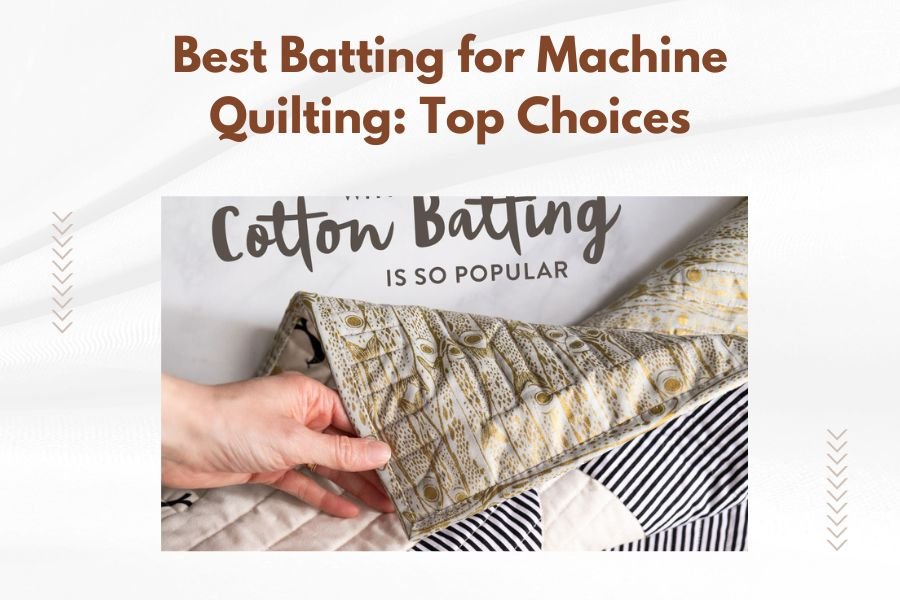
The best batting for machine quilting is 100% cotton batting like Warm & Natural or polyester batting like Hobbs Heirloom Premium for their balance of stability, ease of quilting, and durability.
Cotton batting offers excellent stitch definition and breathability, while polyester provides loft and washability, making both top choices for machine quilting projects.
Choosing the right batting can make or break your quilting project. You spend hours piecing together your beautiful quilt top, but without good batting, your finished quilt might pucker, shift, or lose its shape after washing.
I researched dozens of batting options and found that your choice depends on three main factors: your quilting style, the quilt’s intended use, and your personal preferences for warmth and drape.
What Makes Good Machine Quilting Batting
Good batting for machine quilting needs to stay put while you sew. It shouldn’t shift, bunch up, or create drag that fights your machine.
The best batting has consistent thickness throughout. Thin or thick spots will show up in your finished quilt, creating an uneven surface that looks unprofessional.
Low-loft batting works best for machine quilting. High-loft batting is harder to maneuver under your machine and can cause tension problems.
Key Properties to Look For
Stability tops the list. Your batting should hold its shape when you handle it during quilting.
Scrim backing helps some battings stay stable. This thin layer prevents stretching and tearing during quilting.
Needle-punched batting creates a denser surface that resists beard-through. This means batting fibers won’t poke through your fabric over time.
Quilting Distance Requirements
Every batting has recommended quilting distances. Cotton batting usually needs quilting lines every 4-8 inches. Polyester can often go 8-10 inches between quilting lines.
Ignoring these guidelines leads to batting migration. Your batting will shift inside the quilt, creating lumps and thin spots.
Top Cotton Batting Options
Cotton batting remains the gold standard for many quilters. It breathes well, creates beautiful stitch definition, and gets softer with every wash.
Warm & Natural Cotton Batting
This batting appears in more quilts than almost any other brand. I found that quilters love its consistent quality and easy handling.
Warm & Natural contains 87.5% cotton and 12.5% polyester. This blend adds just enough polyester to prevent excessive shrinkage while keeping the cotton feel.
It works well for both hand and machine quilting. The batting has enough body to support detailed quilting without being stiff or hard to needle.
Best Uses
Wall hangings benefit from this batting’s stability. It hangs straight without sagging or distortion.
Bed quilts gain warmth without weight. You get cozy comfort that doesn’t feel heavy on top of you.
Quilters Dream Cotton Batting
This 100% cotton batting comes in several weights. The Request loft works perfectly for machine quilting with its thin, even consistency.
I came across many reviews praising its soft hand and minimal shrinkage. It’s pre-washed, so you don’t get the dramatic crinkle that some cotton battings create.
The batting requires quilting every 8 inches, giving you more design flexibility than denser cotton options.
Special Features
This batting contains no chemicals or whiteners. You’re getting pure cotton that’s safe for baby quilts and sensitive skin.
It comes in large sizes, including 120-inch widths. This means fewer seams in king-size quilts.
Best Polyester Batting Choices
Polyester batting offers different benefits than cotton. It’s lighter, more affordable, and often easier for beginners to handle.
Hobbs Heirloom Premium Polyester
This batting combines polyester fibers with scrim backing for extra stability. Machine quilters appreciate how smoothly it feeds through their machines.
Research from quilting forums shows this batting resists bearding better than many alternatives. Your dark fabrics won’t get fuzzy white fibers poking through.
It maintains loft after washing without the flat look some polyester battings develop over time.
Machine Quilting Benefits
The scrim backing prevents stretching during quilting. You can quilt large sections without worrying about distortion.
It has low drag, meaning your machine doesn’t work harder to push through layers. This reduces wear on your machine and improves stitch quality.
Fairfield Soft Touch Batting
This 100% polyester batting feels surprisingly cotton-like. The bonding process creates a stable surface that needles easily.
I found online reviews consistently mentioning its affordability without quality compromise. It costs significantly less than premium cotton batting.
The batting comes pre-cut in popular quilt sizes, saving you time and reducing waste.
Practical Advantages
Polyester doesn’t shrink like cotton batting can. Your finished quilt dimensions stay consistent through multiple washings.
It dries faster than cotton, making it practical for quilts that get frequent washing like baby quilts or pet blankets.
Specialty Batting Options
Some projects need batting with specific properties. Here are options for special situations.
Wool Batting for Temperature Control
Wool naturally regulates temperature. It keeps you warm when it’s cold and cool when it’s warm.
Hobbs Tuscany Wool batting works well for machine quilting. It has enough stability for detailed work but maintains wool’s natural drape.
Wool costs more than cotton or polyester but lasts longer. Many experts say wool batting can outlast the quilt top itself.
Special Considerations
Some people are allergic to wool. Test a small piece against your skin before completing a bed quilt.
Wool requires gentle washing cycles. Use cool water and mild detergent to prevent felting.
Bamboo Batting for Eco-Friendly Projects
Bamboo batting appeals to environmentally conscious quilters. Bamboo grows quickly without pesticides or excessive water.
I researched several bamboo batting options and found they offer cotton-like qualities with added antimicrobial properties.
The batting drapes beautifully and creates soft, comfortable quilts. It’s naturally hypoallergenic for sensitive users.
Performance Characteristics
Bamboo batting has natural moisture-wicking properties. It pulls sweat away from your body while you sleep.
It requires quilting every 4-6 inches, similar to cotton batting spacing requirements.
Batting Comparison Guide
| Batting Type | Best For | Quilting Distance | Care |
|---|---|---|---|
| Cotton | Traditional quilts, wall hangings | 4-8 inches | Machine wash warm |
| Polyester | Baby quilts, everyday use | 8-10 inches | Machine wash any temp |
| Wool | Bed quilts, climate control | 4-6 inches | Gentle cycle, cool water |
| Bamboo | Eco-friendly, antimicrobial | 4-6 inches | Machine wash cool |
How to Choose Based on Your Project
Your quilt’s purpose should guide your batting choice. A wall hanging needs different properties than a child’s everyday blanket.
Bed Quilts Need Durability
Bed quilts get heavy use and frequent washing. Choose batting that maintains its shape and loft over time.
Cotton batting works well for bed quilts in moderate climates. It provides warmth without overheating most sleepers.
Polyester offers better wash-and-wear properties for beds that need frequent laundering.
Size Considerations
Large quilts need stable batting to prevent sagging. Look for battings with scrim backing for king and queen sizes.
Consider batting width when planning large quilts. Wider batting reduces seaming and weak points.
Wall Hangings Require Stability
Wall quilts fight gravity every day. They need batting that won’t stretch or sag over time.
Low-loft cotton batting provides excellent stability for wall hangings. It supports detailed quilting without adding bulk.
Avoid high-loft batting in wall quilts. The extra thickness can cause sagging and distortion.
Display Environment Matters
Quilts in sunny windows need UV-resistant batting. Some polyester battings offer better UV protection than natural fibers.
Humid environments can cause natural fiber batting to expand and contract. Synthetic options stay more stable.
Common Batting Mistakes to Avoid
Wrong batting choices create problems that can ruin your finished quilt. Here’s what to watch out for.
Choosing Batting Too Thick
High-loft batting looks tempting, but it creates machine quilting problems. Your machine struggles with the thickness, causing skipped stitches and tension issues.
Thick batting also makes it hard to achieve crisp points and clean edges. Your binding won’t lay flat, and corners become bulky.
Loft Guidelines
Stick to low or medium loft for machine quilting. Save high-loft batting for tied quilts or hand quilting.
Test quilt a sandwich with your chosen batting before starting your full project. Make sure your machine handles it well.
Ignoring Quilting Distance Requirements
Every batting manufacturer provides quilting distance guidelines. These aren’t suggestions – they prevent batting failure.
Quilting lines too far apart allows batting to shift and bunch up. Your quilt develops thin and thick spots that look unprofessional.
Quilting too densely wastes time and can make your quilt stiff. Follow the manufacturer’s recommendations for best results.
Planning Your Quilting Design
Check quilting distance requirements before choosing your design. Some battings limit your creative options.
Dense battings allow more quilting freedom but might not suit your project’s style or intended use.
Preparing Batting for Machine Quilting
Proper batting preparation prevents problems during quilting. Take time to set up your batting correctly.
Sizing Your Batting
Cut batting 2-3 inches larger than your quilt top on all sides. This extra batting accommodates any shifting during quilting.
Large quilts might need batting seams. Join pieces with wide zigzag stitching or use batting tape for smooth seams.
Pre-Treatment Options
Some cotton battings benefit from pre-washing to remove sizing and prevent excessive shrinkage. Check manufacturer recommendations.
Pre-washed batting handles differently than unwashed. It’s softer but might be harder to smooth flat.
Creating Your Quilt Sandwich
Layer your backing face-down, batting in the middle, and quilt top face-up. Smooth each layer carefully to prevent wrinkles.
Use spray basting, safety pins, or temporary adhesive to secure your layers. The method you choose affects how the batting behaves during quilting.
Basting Pattern Importance
Space basting points every 4-6 inches for most batting types. Closer spacing prevents shifting but slows down quilting.
Start basting from the center and work outward. This prevents fabric from bunching toward the edges.
Caring for Quilts with Different Batting
Your batting choice affects how you’ll care for your finished quilt. Plan ahead for long-term maintenance.
Washing Guidelines by Batting Type
Cotton batting quilts can handle regular washing but might shrink slightly on first wash. This creates the crinkled, antique look many quilters love.
Polyester batting quilts maintain their shape through many washes. They’re perfect for quilts that need frequent cleaning.
Wool batting requires gentle care. Use cool water and wool-safe detergent to prevent felting and shrinkage.
Drying Considerations
Air drying protects all batting types but takes longer. Lay quilts flat or hang them evenly to prevent stretching.
Machine drying works for cotton and polyester batting on low heat. Remove quilts while slightly damp to prevent over-drying.
Budget-Friendly Batting Options
Good batting doesn’t have to cost a fortune. Several affordable options work well for machine quilting.
Generic Store Brands
Many craft stores offer house-brand batting at lower prices. I found that some perform nearly as well as premium brands.
Test a small piece before committing to a large purchase. Quality can vary between different production runs.
Buying in Bulk
Purchase batting by the yard instead of pre-cut packages when making multiple quilts. The per-square-foot cost drops significantly.
Split large batting purchases with quilting friends. Everyone saves money and gets fresh batting.
Sale and Clearance Shopping
Stock up on batting during fabric store sales. Good batting doesn’t expire, so you can store it for future projects.
Online retailers often offer better prices than physical stores. Compare shipping costs to find the best total deal.
Conclusion
The best batting for machine quilting depends on your project needs, budget, and personal preferences. Cotton batting like Warm & Natural offers traditional qualities with excellent stitch definition. Polyester options like Hobbs Heirloom provide stability and easy care. Specialty battings like wool and bamboo serve specific needs for temperature control and eco-friendliness.
Remember to match your batting choice to your quilt’s intended use. Wall hangings need stability, bed quilts need durability, and baby quilts need washability. Take time to prepare your batting properly and follow quilting distance guidelines for professional results.
Start with one of the proven options mentioned here, and you’ll create beautiful, long-lasting quilts that showcase your hard work and creativity.
What’s the difference between bonded and needle-punched batting?
Bonded batting uses adhesive to hold fibers together, creating a smoother surface but potentially stiffer feel. Needle-punched batting uses mechanical processes to entangle fibers, resulting in a more natural drape with better fiber security.
Can I use the same batting for hand quilting and machine quilting?
Yes, many battings work for both methods, but machine quilting performs better with lower-loft, more stable battings. Hand quilting can handle higher-loft batting that might cause machine quilting problems.
Should I pre-wash my batting before quilting?
Check the manufacturer’s instructions first. Some cotton battings benefit from pre-washing to remove sizing, while others are designed to be used straight from the package. Pre-washing changes the batting’s hand and behavior.
How do I join batting pieces for large quilts?
Butt edges together and join with a wide zigzag stitch or use fusible batting tape. Avoid overlapping edges, which creates thick spots that show in your finished quilt.
Why does my batting bunch up during machine quilting?
Bunching usually happens from inadequate basting, choosing batting that’s too thick for your machine, or quilting beyond the recommended distance guidelines. Ensure proper basting every 4-6 inches and choose appropriate loft for your machine’s capabilities.