
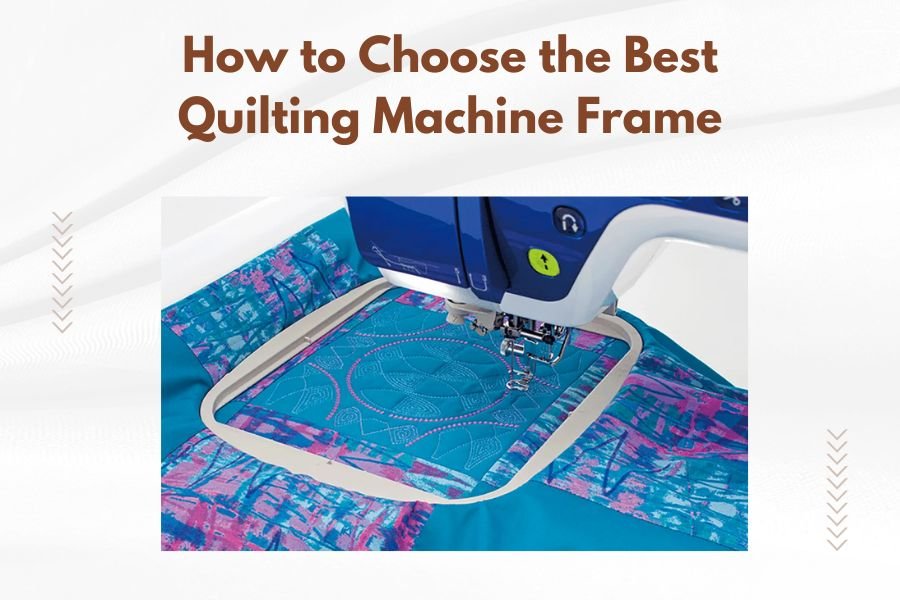
A quilting machine frame should match your machine model, fit your workspace, and support your quilting projects’ size requirements.
The best quilting machine frame combines sturdy construction, easy height adjustment, and smooth fabric movement to help you create professional quilts.
Choosing the right quilting machine frame can feel overwhelming with so many options available. But don’t worry – I’m here to walk you through everything you need to know to make the perfect choice for your quilting projects.
Your quilting frame is like the foundation of a house. Get it wrong, and everything else becomes harder. Get it right, and your quilting becomes smoother, faster, and more enjoyable.
What Is a Quilting Machine Frame
A quilting machine frame holds your quilting machine and fabric layers in place during quilting. Think of it as a sturdy table with special features that let you move fabric smoothly under your machine’s needle.
Most frames include rails to hold your quilt sandwich, adjustable height settings, and wheels for easy movement around your workspace.
Types of Quilting Machine Frames
Stand-Alone Frames
Stand-alone frames work with your existing sewing machine. You mount your machine on the frame, and it becomes a long-arm quilting setup.
These frames cost less than buying a complete long-arm system. They let you use the machine you already know and love.
Integrated Long-Arm Systems
Integrated systems come with the machine and frame designed to work together. The machine slides smoothly along the frame’s track system.
These offer the most professional results but cost more than stand-alone options.
Sit-Down Frames
Sit-down frames let you quilt while seated, just like regular sewing. The quilt moves under a stationary machine head.
These work well if you have mobility concerns or prefer sitting while you work.
Key Features to Consider
Frame Size and Throat Space
Throat space determines how much fabric you can fit under your machine. Larger throat space means less repositioning during quilting.
I found that most quilters need at least 15 inches of throat space for comfortable quilting. Professional quilters often prefer 18-24 inches.
Common Throat Space Sizes
- 12-15 inches: Good for smaller quilts and borders
- 16-18 inches: Handles most home quilting projects
- 20+ inches: Professional-level quilting space
Height Adjustment
Your frame should adjust to your comfortable working height. Most quilters work best when their elbows bend at about 90 degrees.
Look for frames with easy height adjustment. Some use hand cranks, others have pneumatic systems.
Frame Length
Frame length determines the largest quilt you can load at once. Common lengths include:
- 8 feet: Good for lap quilts and smaller projects
- 10 feet: Handles most twin and full-size quilts
- 12 feet: Accommodates queen and king quilts
Material and Construction Quality
Steel vs Aluminum Frames
Steel frames offer maximum stability and durability. They don’t vibrate or flex during quilting, which improves stitch quality.
Aluminum frames weigh less and cost less than steel. They work fine for lighter-weight machines and occasional use.
Track System Quality
The track system guides your machine along the frame. High-quality tracks use precision bearings and smooth rails.
Cheap track systems create jerky movement and uneven stitches. I researched and found that ball-bearing systems work better than simple wheels.
Machine Compatibility
Weight Limits
Check your frame’s weight limit before mounting your machine. Heavy machines need stronger frames with better support systems.
Most home sewing machines weigh 20-40 pounds. Professional long-arm machines can weigh 60+ pounds.
Mounting Systems
Your machine needs to mount securely to the frame’s carriage. Look for adjustable mounting plates that fit different machine models.
Some frames include universal mounting systems. Others require specific plates for your machine brand.
Workspace Requirements
Room Size Planning
Measure your space before buying any frame. You need room for the frame plus space to walk around it.
A 10-foot frame needs about 12 feet of wall space. Add 4-6 feet behind the frame for you to move around.
Ceiling Height
Factor in your ceiling height, especially if you’re tall or want maximum frame height adjustment. Most frames need 8-9 feet of ceiling clearance.
Budget Considerations
| Frame Type | Price Range | Best For |
|---|---|---|
| Basic Stand-Alone | $800-$1,500 | Hobby quilters, occasional use |
| Mid-Range Stand-Alone | $1,500-$3,000 | Serious hobbyists, small business |
| Professional Long-Arm | $8,000-$25,000+ | Full-time quilting business |
Popular Frame Brands and Models
Grace Company Frames
Grace makes popular frames for home quilters. Their Q-Zone series works with many domestic machines.
From what I read online, Grace frames offer good value and customer support for beginning long-arm quilters.
Gammill Frames
Gammill specializes in professional quilting systems. Their frames use heavy-duty steel construction and precision tracks.
Many experts say Gammill frames work best for full-time quilting businesses and high-volume production.
Handi Quilter Frames
Handi Quilter offers both stand-alone frames and complete systems. Their Simply Sixteen and Avante models are popular choices.
Installation and Setup
Assembly Requirements
Most frames require 2-4 hours of assembly time. You’ll need basic tools and preferably a helper for the larger pieces.
Read the manual completely before starting. Many quilters recommend watching online assembly videos for your specific model.
Leveling and Calibration
Your frame must sit level for proper operation. Use a level on both the frame rails and the machine track.
Proper calibration prevents uneven stitches and fabric puckering. Take time to get this right during initial setup.
Accessories and Add-Ons
Quilting Rulers and Templates
Ruler work lets you create straight lines and geometric patterns. Look for frames that accept ruler bases and templates.
Stitch Regulation Systems
Stitch regulation keeps your stitches even regardless of how fast you move the machine. This feature costs extra but improves results.
Lighting Systems
Good lighting reduces eye strain during long quilting sessions. LED light bars attach to most frame systems.
Maintenance and Care
Regular Cleaning
Keep your frame’s tracks clean and free of lint. Use compressed air or a soft brush weekly.
Wipe down the frame with a damp cloth monthly. Avoid getting water on the track bearings.
Lubrication Needs
Follow your manufacturer’s lubrication schedule. Over-oiling attracts lint and dirt.
Most frames need bearing lubrication every 6-12 months depending on use.
Making Your Final Decision
Try Before You Buy
Visit quilting shows or local dealers to test different frames. Each brand feels different when you’re actually quilting.
Many dealers offer classes on their frame systems. Take a class to see if you like how the frame operates.
Consider Your Growth Plans
Buy slightly more frame than you need today. Your quilting skills and project sizes will likely grow over time.
It costs less to buy a larger frame once than to upgrade in two years.
Conclusion
Choosing the best quilting machine frame comes down to matching your needs, space, and budget. Start by measuring your workspace and determining what size quilts you want to make. Consider whether you want to use your existing machine or invest in a complete long-arm system.
Remember that a quality frame will last many years and support thousands of quilting projects. Take time to research options, test frames in person when possible, and choose a reputable dealer who offers good support. Your perfect quilting frame is out there – now you have the knowledge to find it.
What’s the difference between a quilting frame and a quilting hoop?
A quilting frame is a large, stationary system that holds entire quilts and works with sewing machines. A quilting hoop is small, portable, and used for hand quilting small sections at a time. Frames handle machine quilting while hoops are for hand quilting.
Can I use any sewing machine with a quilting frame?
Not all sewing machines work with quilting frames. Your machine needs to be compatible with the frame’s mounting system and weight limits. Straight-stitch machines work best, while machines with automatic features may not function properly on frames.
How much space do I need for a quilting frame setup?
Plan for the frame length plus 2 feet on each end, and 4-6 feet of walking space behind the frame. A 10-foot frame typically needs a room that’s at least 14 feet long by 10 feet wide with 8-9 foot ceilings.
Do I need special quilting thread for machine quilting on a frame?
While you can use regular sewing thread, quilting-specific threads work better on frames. Polyester and cotton quilting threads have the right tension and strength for machine quilting. Avoid cheap threads that break easily or create lint.
How long does it take to learn quilting on a machine frame?
Most quilters need 20-40 hours of practice to feel comfortable on a quilting frame. Expect to spend your first few projects learning tension settings, movement speed, and pattern techniques. Taking a class can cut your learning time in half.
