Use medium heat (cotton setting), slow speed, and a walking foot when quilting with fusible batting to prevent puckering and ensure proper adhesion.
Temperature control is key – too much heat can cause the fusible layer to shift or create uneven bonding across your quilt sandwich.
What Makes Fusible Batting Different
Fusible batting has a thin layer of adhesive on one or both sides. This sticky coating activates when heated, creating a temporary bond that holds your quilt layers together.
Think of it like a gentle glue that only works when warm. Once it cools down, you get a nice stable sandwich that won’t shift while you quilt.
Heat-Activated Adhesive Properties
The fusible layer melts at around 275-300°F. Your iron’s cotton setting usually hits this range perfectly.
Too little heat won’t activate the adhesive. Too much heat can cause it to become gummy or migrate through your fabric.
Temporary vs Permanent Bonding
Most fusible batting creates a temporary hold. The real strength comes from your quilting stitches.
Some premium versions offer stronger adhesion, but even those rely on stitching for long-term durability.
Essential Machine Settings for Success
Getting your settings right prevents headaches later. I found that most quilting problems with fusible batting trace back to wrong machine adjustments.
Temperature Settings
Set your iron to cotton or medium-high heat (around 280°F). This activates the fusible layer without overheating.
Steam can help, but use it sparingly. Too much moisture can cause batting to shift or create uneven adhesion.
Testing Heat Levels
Always test on scraps first. Press a small piece for 10-15 seconds and check the bond strength.
The layers should stick together but still feel flexible. If they feel stiff or gummy, reduce your heat.
Pressure and Timing
Apply firm, even pressure for 10-15 seconds per section. Don’t slide the iron – lift and move instead.
Overlapping your press areas by about an inch ensures complete coverage. Missing spots can cause puckering later.
Working in Sections
Work from the center outward in manageable sections. I found that 6-8 inch squares work best for most projects.
Let each section cool completely before moving to the next. This sets the adhesive properly.
Quilting Machine Setup
Your sewing machine needs different settings when working with pre-fused layers. The adhesive changes how fabric behaves under the needle.
Needle Selection
Use a sharp quilting needle, size 80/12 or 90/14. The adhesive can dull needles faster than normal batting.
Change needles more often – every 6-8 hours of quilting instead of the usual 10-12 hours.
Needle Types That Work Best
Universal needles handle most cotton fabrics well. For denser fabrics, try a denim needle.
Avoid ballpoint needles unless working with knits. They don’t pierce cleanly through the adhesive layer.
Thread Tension Adjustments
Start with normal tension settings. Fusible batting usually doesn’t require major adjustments.
If you see puckering or loose stitches, reduce top tension slightly. Make small changes – quarter-turn increments work best.
Troubleshooting Tension Issues
Tight stitches often mean too much top tension. Loose, loopy stitches suggest too little tension.
Check your bobbin tension too. Sometimes the adhesive affects how thread feeds from below.
Speed and Stitch Settings
Slow and steady wins the race with fusible batting. The adhesive layer needs time to move smoothly under your presser foot.
Optimal Quilting Speed
Keep your speed at 60-70% of normal quilting pace. This prevents the adhesive from heating up too much from needle friction.
Fast quilting can cause the fusible layer to shift or bunch up, creating uneven areas in your finished quilt.
Machine Speed vs Hand Speed
If free-motion quilting, move your hands slower than usual. The batting doesn’t slide as freely as regular types.
Practice on scraps until you find the right rhythm. It takes a few tries to get the feel right.
Stitch Length Considerations
Use your normal stitch length – usually 10-12 stitches per inch for quilting. The adhesive doesn’t change this requirement.
Shorter stitches work fine but take longer. Longer stitches might not hold the layers securely enough.
Presser Foot Options
The right foot makes all the difference. Fusible batting can stick to certain foot types, causing feeding problems.
Walking Foot Benefits
A walking foot moves all layers evenly, preventing the adhesive from causing uneven feeding. This is my top choice for straight-line quilting.
The even feed prevents puckering and keeps your quilt sandwich flat and smooth.
When to Use Walking Feet
Use walking feet for:
- Straight-line quilting patterns
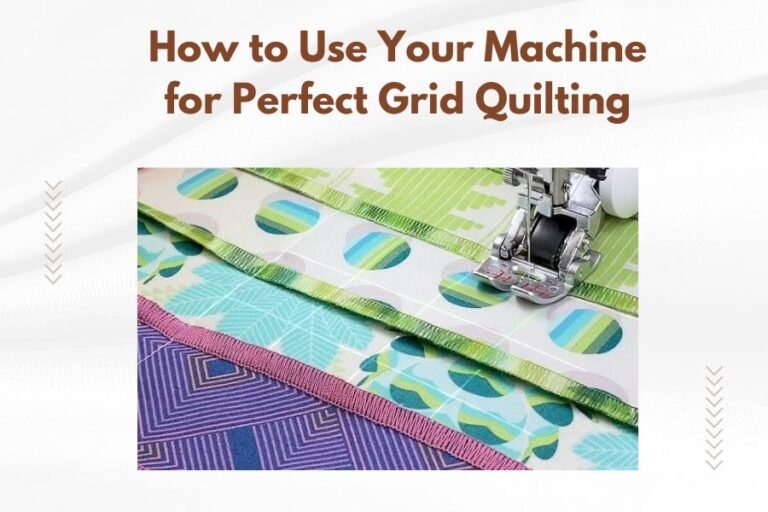
- Grid or crosshatch designs
- Echo quilting with straight lines
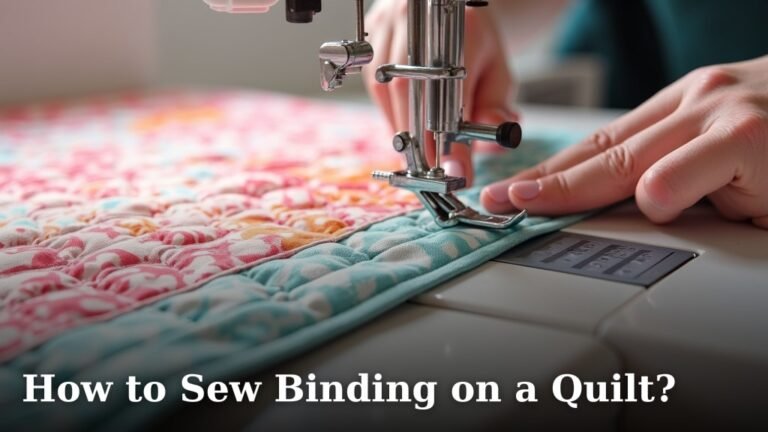
- Binding attachment
Free-Motion Quilting Feet
Free-motion feet work well but require more skill with fusible batting. The adhesive can cause slight drag.
Look for feet with smooth, non-stick surfaces. Some quilters apply a thin layer of machine oil to reduce sticking.
Choosing the Right Free-Motion Foot
Closed-toe feet provide better visibility but can collect adhesive residue. Open-toe feet stay cleaner but offer less precision.
Clean your foot regularly with rubbing alcohol to remove adhesive buildup.
Common Problems and Solutions
Even with perfect settings, things can go wrong. Here are the issues I hear about most often and how to fix them.
Puckering and Bunching
Puckering usually means uneven heat application during fusing or quilting too fast.
Check for missed spots in your initial pressing. Re-fuse problem areas with careful heat and pressure.
Prevention Strategies
Mark your pressing sections with washable markers. This helps ensure complete coverage.
Use a pressing cloth on delicate fabrics to distribute heat evenly.
Needle Gumming
Adhesive buildup on needles causes skipped stitches and thread breaks. Clean needles every 30 minutes with rubbing alcohol.
Keep extra needles handy and change them at the first sign of problems.
Cleaning Techniques
Stop quilting and clean the needle while it’s still in the machine. Use a cotton swab with rubbing alcohol.
Some quilters keep a small bottle of needle lubricant nearby for quick touch-ups.
Testing and Quality Control
Always test your settings on practice pieces. This saves hours of frustration and potential project disasters.
| Test Area | What to Check | Good Result |
|---|---|---|
| Fusing | Bond strength | Layers stick but remain flexible |
| Stitching | Tension and feed | Even stitches, no puckering |
| Needle | Piercing cleanly | No skipped stitches or gumming |
Sample Preparation
Make test sandwiches using the same fabrics and batting as your final project. Cut pieces about 12 inches square.
Try different quilting patterns and densities. What works for simple straight lines might not work for dense free-motion designs.
Conclusion
Success with fusible batting comes down to proper heat application and adjusted machine settings. Use medium heat for fusing, slow quilting speeds, and a walking foot for best results. Test everything on scraps first – this simple step prevents most problems before they start.
Remember that fusible batting behaves differently from regular batting. Give yourself time to learn its quirks, and don’t be afraid to adjust your usual techniques. The convenience of pre-basted layers makes the learning curve worthwhile.
Can I use fusible batting with delicate fabrics like silk?
Yes, but use lower heat and a pressing cloth. Test on scraps first since some delicate fabrics can pucker or discolor. Consider using a mini iron for better control over heat application.
How long does the fusible bond last before quilting?
Most fusible batting holds for several days to weeks, depending on handling. For best results, start quilting within 24-48 hours of fusing. The bond weakens over time, especially with frequent handling.
What happens if I don’t get complete coverage when fusing?
Unfused areas can cause puckering and shifting during quilting. You can re-fuse problem spots carefully, but prevention is better. Work systematically and overlap your pressing areas slightly.
Should I pre-wash fabrics before using fusible batting?
Yes, pre-wash both fabric and fusible batting if the manufacturer recommends it. Shrinkage after fusing can cause permanent puckering that’s impossible to fix.
Can I remove fusible batting if I make a mistake?
Sometimes, but it’s tricky. Try heating the area and gently pulling layers apart while warm. This works better with temporary-bond types than permanent ones. Prevention through testing is much easier.