
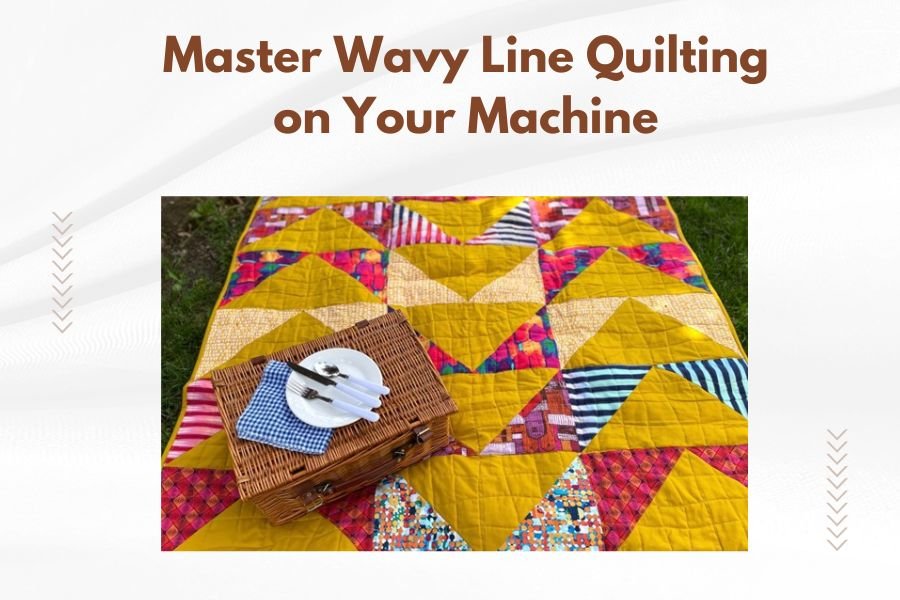
Master wavy line quilting on your machine by adjusting your free-motion foot settings and practicing smooth, consistent movements across fabric layers.
You can create beautiful wavy quilting patterns using either walking foot attachments or free-motion techniques, depending on your machine type and comfort level.
What Is Wavy Line Quilting
Wavy line quilting creates flowing, curved patterns that add movement and texture to your quilts. Think of it like drawing gentle ocean waves across your fabric. The technique works on any quilting machine, from basic models to high-end longarm systems.
I found that wavy lines work best when you maintain consistent spacing between each curve. Most quilters space their waves about 1 to 3 inches apart, but you can adjust based on your design goals.
Essential Tools for Wavy Line Success
Getting the right setup makes wavy quilting much easier. You need fewer tools than you might think.
Machine Feet Options
Your choice of presser foot changes everything. Free-motion feet give you complete control over curve shapes. Walking feet help maintain even fabric feeding on straight-ish wavy lines.
I researched different foot types and found that darning feet work well for tight curves. Open-toe feet let you see your stitching line clearly.
Thread and Needle Selection
Use quality cotton or polyester thread for best results. Avoid cheap threads that break easily during curves.
Match your needle size to thread weight. Size 80/12 needles work for most cotton threads. Size 90/14 handles heavier threads better.
Thread Color Strategy
Contrasting thread makes wavy lines pop as design elements. Matching thread creates subtle texture without bold lines.
Machine Setup and Tension Settings
Proper machine setup prevents puckering and thread breaks during wavy quilting.
Tension Adjustments
Start with normal tension settings, then test on practice fabric. Slightly loose top tension often works better for curved stitching.
Your bobbin tension usually stays at factory settings. Only adjust bobbin tension if you see consistent problems after trying different top tension levels.
Speed Control Tips
Slower speeds give you better control over wave shapes. I found online that most expert quilters recommend starting at about 30% of maximum speed.
Consistent speed matters more than fast speed. Jerky acceleration creates uneven stitches.
Stitch Length Considerations
Free-motion quilting controls stitch length through your hand movement speed. Practice matching your fabric movement to machine speed.
Basic Wavy Line Techniques
Master these fundamental approaches before trying complex patterns.
The Gentle Wave Method
Start with shallow, wide waves like rolling hills. Place your hands flat on either side of your needle. Move fabric smoothly left and right while maintaining forward progress.
Keep your waves consistent in height and length. Imagine following a wavy road that never gets too steep.
The Ocean Wave Approach
Ocean waves have more dramatic curves than gentle hills. Increase your side-to-side movement while keeping forward motion steady.
Vary wave heights slightly for natural-looking results. Real ocean waves aren’t perfectly uniform.
Rhythm and Flow
Find your natural rhythm before starting your actual quilt. Practice on scraps until wave-making feels automatic.
Free-Motion Wavy Quilting
Free-motion gives you complete creative control over wave patterns.
Hand Positioning
Keep your hands relaxed but steady. Grip fabric gently – death grips cause hand fatigue and jerky movements.
Position your hands like you’re holding a steering wheel. This gives you good control over direction changes.
Movement Coordination
Move your fabric steadily while the needle stitches. Stop fabric movement when you stop the needle, or threads may tangle.
I came across advice from quilting instructors who suggest practicing the motion without thread first. This builds muscle memory.
Common Free-Motion Mistakes
Moving too fast creates long, loose stitches. Moving too slow makes tiny, dense stitches that can pucker fabric.
Walking Foot Wavy Lines
Walking feet work great for gentler wavy lines with consistent curves.
Curve Limitations
Walking feet handle gradual curves well but struggle with sharp turns. Plan your waves with gentle angles.
You can create beautiful serpentine patterns that flow across your quilt top. The key is planning your path before you start stitching.
Fabric Guidance Techniques
Guide your fabric layers smoothly through the machine. Don’t force sharp turns – let the foot do its job.
Many experts say that consistent pressure and steady speed produce the best walking foot results.
| Technique | Best For | Difficulty Level | Curve Flexibility |
|---|---|---|---|
| Free-Motion | Complex waves | Intermediate | High |
| Walking Foot | Gentle curves | Beginner | Limited |
| Darning Foot | Detailed work | Advanced | Very High |
Practice Exercises for Beginners
Smart practice builds confidence faster than jumping into complex projects.
Paper Practice
Draw wavy lines on paper first. This trains your eye and hand coordination without wasting fabric.
Try different wave styles – tight waves, loose waves, varying heights. Notice which patterns appeal to you most.
Fabric Scrap Training
Use fabric scraps layered with batting for realistic practice. This feels more like actual quilting than paper exercises.
I found that practicing on scraps helps you learn how different fabrics behave during wavy quilting.
Progressive Skill Building
Start with straight lines, then add gentle curves. Gradually increase curve complexity as your comfort grows.
Troubleshooting Common Problems
Every quilter faces challenges with wavy line quilting. Here are solutions for typical issues.
Uneven Stitches
Inconsistent stitch length usually comes from uneven fabric movement speed. Practice matching your hand speed to machine speed.
Check your thread tension if stitches look loose or tight. Small adjustments often fix stitch quality issues.
Fabric Puckering
Puckering happens when you pull fabric too hard or use wrong tension settings. Let the machine feed fabric naturally.
Research shows that proper basting reduces puckering problems significantly (Quilting Arts Magazine).
Thread Breaking Issues
Frequent thread breaks often indicate dull needles, poor quality thread, or excessive tension.
Advanced Wavy Patterns
Once you master basic waves, try these creative variations.
Interlocking Wave Systems
Create waves that flow into each other. Start one wavy line, then begin the next line at the midpoint of your first wave.
This creates beautiful interwoven patterns that add sophisticated texture to quilts.
Variable Wave Heights
Mix tall waves with short waves for natural, organic-looking results. Real water and wind patterns aren’t perfectly regular.
Echo Wave Techniques
Stitch a wavy line, then echo it with parallel wavy lines. Space echo lines evenly for balanced visual impact.
Conclusion
Mastering wavy line quilting transforms your projects from simple to stunning. Start with basic gentle waves using your preferred foot type. Practice on scraps until smooth curves become second nature.
Remember that consistent speed and relaxed hand position create better results than rushing through patterns. Each quilt gives you new chances to refine your wavy line skills.
Your machine already has everything needed for beautiful wavy quilting. The key lies in patient practice and understanding how your specific machine responds to different techniques.
Can I do wavy line quilting on a basic sewing machine?
Yes, most sewing machines handle wavy line quilting well. You need either a walking foot for gentle curves or the ability to drop feed dogs for free-motion work. Even older machines often work great for this technique.
How do I keep my wavy lines evenly spaced?
Use your presser foot width as a spacing guide, or mark light guidelines on your quilt top with removable markers. Some quilters place tape strips as spacing references on their machine bed.
What thread weight works best for wavy line quilting?
40-weight cotton or polyester threads offer the best balance of strength and appearance for wavy quilting. Heavier threads create more visible lines, while lighter threads blend better with fabric.
How do I prevent my hands from getting tired during long wavy quilting sessions?
Take breaks every 15-20 minutes, keep your shoulders relaxed, and avoid gripping fabric too tightly. Good posture and proper chair height also reduce hand and arm fatigue significantly.
Should I mark wavy lines before quilting or stitch freehand?
Both approaches work well. Beginners often prefer light marking for guidance, while experienced quilters enjoy the organic look of freehand waves. Try both methods to see which suits your style better.
