
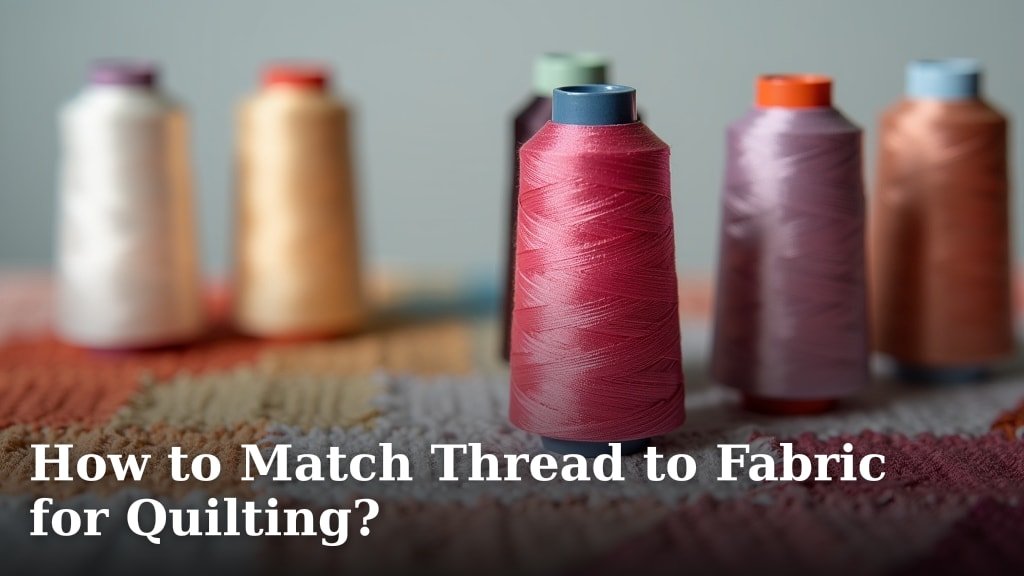
Matching thread to fabric for quilting is all about creating a look that’s both beautiful and durable. For a seamless look, **match your thread color closely to your fabric**, especially for straight-line quilting or detailed stitching. If you want your quilting stitches to pop and add texture, choose a thread that is **one to two shades darker or lighter** than your fabric.
The weight of your thread is also super important. A good rule of thumb is to use a thread weight that is **commensurate with your fabric weight**. Using a thread that’s too thick can overwhelm delicate fabrics, while a thread that’s too thin might break on heavier materials or not show up enough. We found that the right combination makes a world of difference in the final quilt.
- Match thread color closely for a subtle look.
- Go a shade darker or lighter for stitches that stand out.
- Consider thread weight relative to your fabric weight.
- Thicker threads work well for sturdy fabrics, thinner for delicate ones. Thicker threads work well for sturdy fabrics, and denim requires a stronger thread.
Let’s walk through exactly how to pick the perfect thread for your next quilting project so your stitches sing!
Choosing the Right Thread for Your Quilt’s Fabric
Picking the perfect thread for your quilting project can feel like a big decision. But don’t worry, we’re here to help! Getting this right means your stitches will look fantastic and your quilt will last for years. Think of your thread as the jewelry for your quilt. It can either blend in beautifully or make a statement. It all depends on the look you’re going for.
Understanding Thread Weight and Its Importance
Thread weight is a fundamental aspect of choosing quilting thread. It refers to the thickness of the thread. A higher weight number usually means a thinner thread. A lower number means a thicker thread. This might seem backward at first, but it’s a standard measurement. Many quilters find this helps them manage their projects better.
What Does Thread Weight Mean in Quilting?
In quilting, thread weights typically range from very fine (like 100 wt) to quite thick (like 5 wt or even thicker). The most common weight for piecing and general quilting is around 40 wt. This weight offers a good balance of strength and appearance for most fabrics. It’s like choosing the right size nail for a piece of wood. Too small, and it won’t hold; too big, and it might split the wood. The best stitch length for quilting is typically 2.5-3.0mm (10-12 stitches per inch) for most projects.
Matching Thread Weight to Fabric Weight
Your fabric’s weight is a key factor. Lightweight cottons, like those often used for delicate garments or fine quilting, pair best with thinner threads. Think 50 wt or 60 wt. These threads disappear into the fabric. They won’t add bulk. Heavier fabrics, such as denim or canvas, can handle thicker threads. A 30 wt or 40 wt thread can add a nice visible texture. It also has the strength to hold these robust materials together.
We found that using a thread that’s too heavy on lightweight fabric can create puckering. It can also look out of proportion. On the flip side, a thread that’s too thin on heavy fabric might break during stitching. It might not show up enough to make a visual impact.
Common Thread Weights and Their Uses
Here’s a quick guide to help you visualize:
| Thread Weight (wt) | Typical Fabric Use | Visual Effect |
|---|---|---|
| 100 wt & up (Very Fine) | Lightweight cottons, silks, fine batiste | Almost invisible, creates subtle detail |
| 50-60 wt (Fine) | Standard quilting cottons, delicate fabrics | Subtle, blends well, good for detailed quilting |
| 40 wt (Medium) | Most quilting cottons, some home decor fabrics | Visible but not overpowering, great all-purpose choice |
| 30 wt (Thick) | Denim, canvas, upholstery fabric, bold quilting | Prominent stitch line, adds texture, decorative |
| 5 wt & up (Extra Thick) | Heavy-duty projects, extreme texture, embellishment | Very bold, looks like yarn, highly decorative |
Why Thread Weight Matters for Durability
The right thread weight also impacts how durable your quilt is. A thinner thread might not be strong enough for seams that experience a lot of stress. This is especially true for quilts that will be used frequently, like a baby’s security blanket or a picnic quilt. Experts suggest that for piecing, a 40 wt cotton or polyester-cotton blend is often ideal. It offers a good combination of strength and a clean stitch (NCBI).
For free-motion quilting where you’re creating designs, a slightly thicker thread like 30 wt can add lovely dimension. It stands out nicely against the fabric. However, be mindful of your machine’s capabilities. Very thick threads can sometimes cause issues with tension or needle breakage if your machine isn’t set up for them.
Color Matching: Subtle vs. Statement Stitches
Thread color is where you can really let your creativity shine. Do you want your quilting stitches to be a hidden detail, or do you want them to be a star feature? Your choice here dramatically changes the final look of your quilt. It’s like choosing accessories for an outfit; they can either blend in or draw the eye.
Achieving a Seamless Look with Color Matching
If your goal is to make your piecing seams invisible or to have your quilting stitches blend into the fabric, match your thread color as closely as possible. Find a thread that is the exact same shade as your fabric. This works wonders for fussy-cut blocks or sashing where you want the fabric pattern to be the main focus. It’s also a fantastic choice for quilting patterns that are very dense or complex. The thread becomes part of the background.
Many quilters have found that testing the thread against the fabric in natural light is the best way to ensure a good match. Hold the thread right up against the fabric. If you can’t easily tell them apart, you’re on the right track. This technique is particularly effective when quilting on prints where matching one specific color might be tricky. Just pick the dominant color and try to find a match for that.
Making Your Quilting Stitches Pop
Want your quilting to be a design element in itself? Then, you’ll want to choose a thread that contrasts with your fabric. A common and effective strategy is to select a thread that is one to two shades darker than your fabric. This creates a lovely definition. It highlights the beautiful patterns you’ve stitched. For lighter fabrics, a medium grey or a muted blue can create a beautiful contrast. For darker fabrics, a lighter grey or even a metallic thread can make your stitches stand out.
Alternatively, going one or two shades lighter can also work. This often creates a softer contrast than a darker thread. It can give your quilt a more ethereal or airy feel. Many quilters experiment with this for delicate block designs. We found that for fabrics with a lot of variation in color, like batiks, choosing a neutral thread color like grey or beige often works best. It bridges the different tones in the fabric.
The Power of Contrasting Colors
Contrasting thread colors are excellent for showing off quilting techniques. Want to display your beautiful free-motion quilting? Use a contrasting thread. It will make swirls, feathers, and custom designs leap off the quilt top. It’s like drawing with a pen on paper versus drawing with a pencil. The pen line is much clearer. We’ve seen quilts where the quilting thread truly transforms the entire piece. It becomes a work of art on its own.
Navigating Prints and Varied Fabrics
Quilting with patterned fabrics presents a fun challenge. Trying to match a thread to every single color in a busy print is often impossible and unnecessary. Instead, consider these approaches:
- Match the dominant color: Look at your print. What color appears most often? Try to find a thread that matches that dominant hue.
- Use a neutral color: Neutrals like beige, grey, cream, or even a soft black can work across many prints. They provide a subtle definition without competing with the fabric’s design.
- Go slightly darker or lighter: Choose a thread a shade darker or lighter than the *overall* impression of the print. This can give a nice textural effect.
Many quilters find that a good quality 40 wt cotton thread in a neutral color is a lifesaver for piecing prints. It’s durable and forgiving. For decorative quilting on prints, don’t be afraid to experiment! A metallic thread or a variegated thread can add unexpected beauty.
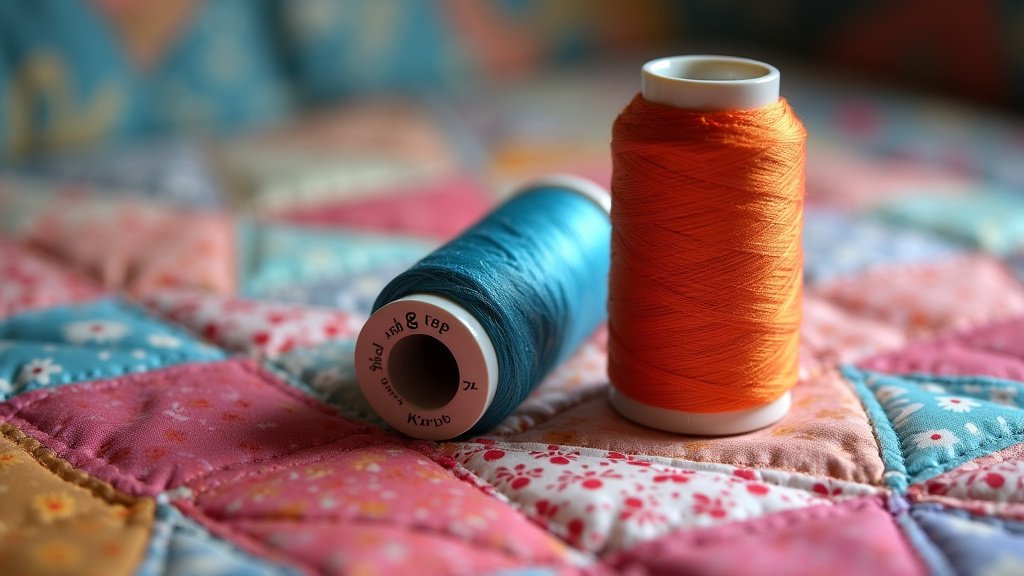
Thread Material: What’s Best for Your Quilt?
Beyond weight and color, the material your thread is made from matters too. Different fibers have different properties. These properties affect how the thread performs during quilting and how your finished quilt holds up over time. The most common choices for quilters are cotton, polyester, and silk.
Cotton Threads: The Quilter’s Classic
Cotton thread is a favorite for many quilters. It has a beautiful matte finish. It behaves well on most sewing machines. It’s also natural and breathable. 100% cotton thread is a great choice for piecing and quilting, especially with 100% cotton fabrics. It has a low stretch. This means your seams are less likely to distort.
However, cotton thread can be more prone to breaking than polyester if it’s subjected to a lot of friction or tension. We found that brands offering mercerized cotton threads often provide increased strength and a slight sheen. Mercerization is a process that treats cotton to make it stronger and give it a lustrous appearance (CDC). For everyday quilting, a good quality 40 wt cotton thread is a reliable choice.
Polyester Threads: Strength and Versatility
Polyester thread is known for its exceptional strength and durability. It has very little stretch. This makes it an excellent choice for quilting, especially if your quilt will see a lot of use. It’s also highly resistant to abrasion and UV light. This means it’s less likely to degrade over time.
Polyester threads can have a slight sheen. This might be more visible than with cotton. For a matte finish, look for polyester threads that are specifically designed to mimic cotton. Many quilters use polyester for piecing, especially when working with fabrics that aren’t 100% cotton. It’s also a popular choice for bobbin thread because of its strength and consistency.
Silk Threads: The Luxury Choice
Silk thread is a luxurious option. It’s incredibly strong for its thickness. It has a beautiful, natural sheen. Silk thread is perfect for hand quilting or for adding a touch of elegance to special projects. It glides smoothly through fabric. It produces a very fine, almost invisible stitch. However, silk is generally more expensive than cotton or polyester. It also requires more careful handling. We found that silk is best reserved for projects where its unique qualities can truly be appreciated.
Specialty Threads: For Added Flair
Beyond the basics, you’ll find specialty threads like metallics, rayons, and even variegated threads. Metallics add sparkle and shine. Rayons offer a vibrant sheen, similar to silk. Variegated threads change color along their length, creating interesting visual effects. These are wonderful for decorative quilting. They can add a unique personality to your quilt. Just be aware that some specialty threads can be more fragile. They might require a larger needle or slower stitching speed.
A Quick Checklist for Your Thread Selection
Ready to pick your thread? Keep these points in mind:
- Consider your fabric weight. Match thread thickness accordingly.
- Decide on your look. Subtle (match color) or statement (contrast color)?
- Think about durability. Will the quilt be used heavily?
- Choose a thread material that suits your project and preference.
- Test your thread on a scrap piece of your fabric first.
- Don’t forget the bobbin! Match bobbin thread color and weight to your top thread or fabric.
Conclusion
You’ve learned how matching your thread to your quilt fabric is key for beautiful results. Remember, close color matching creates a subtle look, while a shade darker or lighter adds lovely definition. Pay attention to thread weight and material, ensuring they suit your fabric and desired durability. Think of your thread as the final brushstroke on your quilt’s masterpiece. Now you’re ready to confidently choose the perfect thread for your next project. Go ahead and grab your fabric and thread, and let’s create something wonderful together!
Frequently Asked Questions
What’s the best thread for quilting cotton fabrics?
For standard 100% cotton quilting fabrics, a 40 wt cotton thread is a fantastic all-purpose choice. It offers good strength for piecing and a pleasant appearance for quilting stitches. If you prefer a more subtle look, a 50-60 wt cotton thread can also work well, especially for detailed quilting designs.
Can I use polyester thread for quilting?
Yes, polyester thread is a great option, especially if your quilt will get a lot of use. It’s known for its exceptional strength and durability with very little stretch. While it might have a slight sheen, many quilters find it performs wonderfully for both piecing and quilting.
How do I choose thread color for a busy patterned fabric?
When working with busy prints, try matching the thread to the fabric’s dominant color. Alternatively, a neutral thread like beige, grey, or cream can bridge the different tones in the print. A slightly darker or lighter neutral can also provide definition without competing with the pattern.
Should my bobbin thread match my top thread?
It’s generally recommended to match your bobbin thread to your top thread or your fabric color for the most cohesive look. Using a similar weight is also important for proper tension. However, for utility quilts or if you’re new to quilting, using a neutral-colored bobbin thread can be more forgiving.
What is mercerized cotton thread and should I use it?
Mercerized cotton thread has undergone a treatment to increase its strength and give it a slight sheen. It’s a good choice if you need a stronger cotton thread or prefer a bit of luster. Many quilters find it performs very well, offering durability without sacrificing the matte look often associated with cotton.
