When choosing a needle for your canvas projects, you’ll want to use a tapestry needle or a سه needle. Both have a blunt tip which is perfect for sliding between canvas threads without splitting them. This prevents damage to your canvas and makes your stitching much smoother.
The best needle type really depends on the size of your canvas mesh and the type of stitching you’re doing. A thicker canvas or a yarn project might need a needle with a larger eye and a sturdier shaft. For finer canvases and embroidery floss, a slightly thinner needle can work wonders.
- Tapestry needles and سه needles are your go-to.
- Look for a blunt tip to protect canvas threads.
- Needle size depends on canvas mesh and stitch type.
- Larger needles are great for bulky yarns and thick canvas.
- Finer needles work well for delicate canvases and floss.
Let’s dive into the specifics of which needle will be your best friend for your next canvas creation.
Choosing the Right Needle for Your Canvas Work
Selecting the correct needle makes a huge difference in your canvas projects. You want a needle that glides easily through the canvas mesh. This keeps your fabric intact. It also makes your stitching look neat and professional. Let’s figure out which needle will work best for you.
Understanding Canvas Needles: What Makes Them Special?
When you’re working with canvas, you need a special kind of needle. These aren’t your typical sewing needles. They are designed with canvas in mind. This means they have features that help you avoid damaging your project. We’ll explore the main types and what to look for.
The Magic of the Blunt Tip
The most important feature to look for is a blunt tip. Think of it like a tiny, rounded slide. This blunt end is designed to push through the woven holes of the canvas. It doesn’t pierce or split the fibers. This is vital for preventing fraying. It also ensures your stitches lie flat and even. A sharp needle would cut the canvas threads. This would weaken your project over time. Blunt needles keep your canvas looking its best.
Why Not a Sharp Needle?
You might wonder why a sharp needle is bad. Imagine trying to push a sharp pencil through a tightly woven basket. The sharp point would snag and break the basket strands. A sharp sewing needle acts similarly on canvas. It cuts the threads it encounters. This creates weak spots. Blunt needles slide between the threads. They follow the path already created by the weave. This keeps the canvas structure strong.
Eye Size Matters
Another key feature is the needle’s eye. This is where you thread your yarn or floss. For canvas work, you often use thicker materials like yarn. A needle with a larger eye makes threading much easier. If you’re using bulky yarn, a large eye is essential. It prevents the yarn from snagging or fraying as you pull it through. Smaller needles have smaller eyes. These are better for thinner threads like embroidery floss.
Needle Length and Shaft Thickness
Needle length and shaft thickness also play a role. Longer needles can be easier to grip. They offer more control when making stitches. A thicker shaft makes the needle stronger. This is important for pushing through dense canvas. It prevents the needle from bending or breaking. For very thick or stiff canvas, you’ll want a sturdier, thicker needle.
Tapestry Needles: Your Canvas Companion
Tapestry needles are often called “yarn needles.” They are the most common choice for canvas projects. They perfectly fit the needs of stitching on canvas. We’ll break down why they are so popular.
Features of Tapestry Needles
Tapestry needles typically have a large eye. This makes threading yarn very simple. They also have a blunt, rounded tip. This prevents snagging and splitting canvas threads. The shaft is usually quite sturdy. This allows them to handle thicker yarns and rougher canvas materials. You’ll find them in various sizes, which we’ll discuss next.
Tapestry Needle Sizing Explained
Tapestry needles come in different sizes. The numbering system can seem a bit backward at first. Generally, larger numbers mean smaller needles. For example, a size 13 needle is smaller than a size 18 needle. The size you choose depends on a few factors. These include the mesh count of your canvas and the weight of your yarn.
Choosing the Right Size for Your Project
Here’s a general guideline. For most common canvas projects, like counted cross-stitch or needlepoint with medium-weight yarn, a size 18 or 20 tapestry needle is a good starting point. If you’re using very fine yarn or working on a high-mesh canvas (lots of threads per inch), you might need a smaller needle, like a size 22 or 24. For bulky yarns or very coarse canvas, a larger needle, such as a size 14 or 16, can be more effective. It should feel comfortable to use and easy to thread.
What About سه Needles?
سه needles, also known as “cross-stitch needles,” are another excellent option for canvas work. They share many qualities with tapestry needles but have a few subtle differences. Many crafters find them very versatile.
How سه Needles Compare to Tapestry Needles
Like tapestry needles, سه needles have a blunt tip. This protects your canvas fibers. They also often have a larger eye compared to standard sewing needles. This is helpful for threading heavier yarns or multiple strands of floss. The main difference is often the shaft thickness. سه needles can sometimes be slightly thinner than tapestry needles.
When to Opt for a سه Needle
A سه needle is a great choice if you’re doing counted cross-stitch on linen or evenweave fabric. These fabrics can be delicate. The blunt tip ensures you don’t damage them. They also work well for needlepoint on various types of canvas. If you’re using standard embroidery floss, a سه needle can be perfect. It’s a good all-around needle for many fiber arts.
Understanding سه Needle Sizing
Similar to tapestry needles, سه needles are sized by number. Again, higher numbers mean smaller needles. A common size for cross-stitch is a size 6 or 7 سه needle. These are quite fine. For thicker canvas or yarn, you might need a larger, blunter needle. Look for sizes like 4 or 5 if your material is coarser. Always check the needle’s specifications to match it with your project.
Matching Your Needle to Your Canvas Mesh and Material
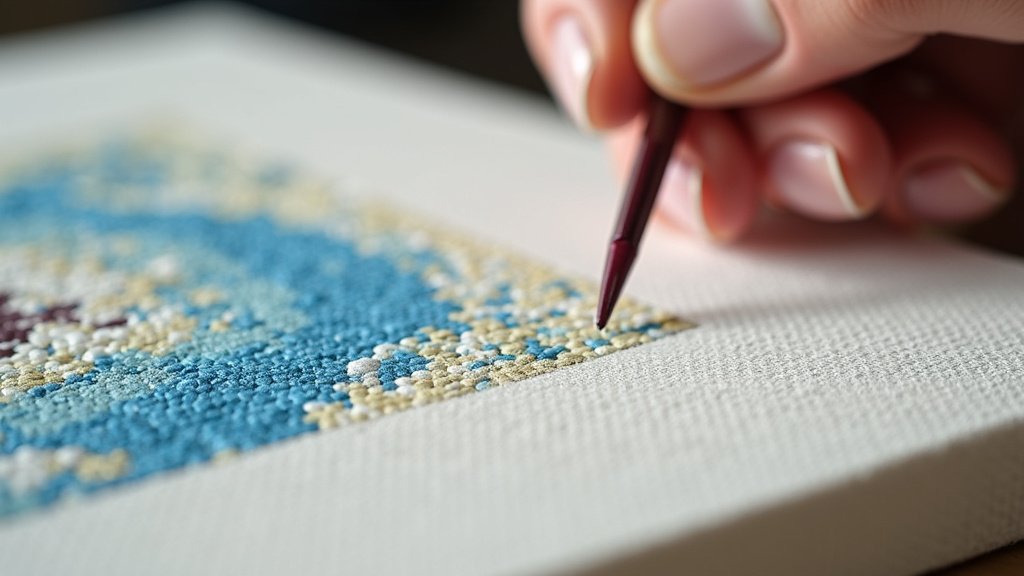
The canvas itself plays a big part in needle selection. Canvas comes in different “counts” or mesh sizes. This refers to the number of holes or threads per inch. A higher count means a finer mesh. A lower count means a coarser mesh.
Fine Mesh Canvas (High Count)
If you’re working with a canvas that has many small holes (like 14-count or higher needlepoint canvas, or linen for cross-stitch), you’ll want a finer needle. A smaller, thinner needle can easily pass through the small openings. This prevents bunching or tearing. Look for tapestry needles in sizes 22-26 or سه needles in sizes 6-10. You’ll also be using thinner threads, like embroidery floss or thin yarn.
Coarse Mesh Canvas (Low Count)
For canvas with larger holes or fewer threads per inch (like 7-count or 10-count needlepoint canvas), you need a sturdier needle. A thicker, larger needle will handle the wider gaps. It also needs to be strong enough to push through thicker canvas material. Choose tapestry needles in sizes 14-18 or سه needles in sizes 4-5. You’ll likely be using bulkier yarns or roving.
Different Canvas Types and Their Needs
Not all canvas is the same. Needlepoint canvas is woven with distinct holes. Plastic canvas is rigid and has square openings. Evenweave fabrics, used for cross-stitch, have a very precise thread count. For plastic canvas, a blunt needle is still best. The blunt tip helps prevent snagging on the plastic edge. For evenweave, a fine, sharp needle is often used for precise stitches. However, for canvas *work*, we are focusing on the woven types. These benefit most from blunt-tipped needles.
Key Factors for Needle Selection: A Quick Checklist
To make sure you pick the right needle, consider these points:
- Canvas Mesh Size: Higher count = smaller needle. Lower count = larger needle.
- Yarn/Thread Thickness: Bulky yarn = large eye, sturdy needle. Floss = finer needle.
- Project Type: Cross-stitch often uses finer needles. Needlepoint might use sturdier ones.
- Personal Comfort: How does the needle feel in your hand? Can you thread it easily?
- Needle Tip: Always prioritize a blunt or rounded tip for canvas.
Putting It All Together: A Handy Comparison Table
Here’s a quick reference to help you decide. This table shows common scenarios and needle recommendations. Remember, these are general guidelines. Your specific project might call for a slight adjustment.
| Project Type / Material | Canvas Mesh (approx.) | Yarn/Thread Weight | Recommended Needle Type | Recommended Needle Size (approx.) |
|---|---|---|---|---|
| General Needlepoint | 10-14 count | Medium Yarn | Tapestry Needle | 18-20 |
| Fine Needlepoint / Cross-Stitch on Linen | 18+ count | Embroidery Floss / Thin Yarn | Tapestry or سه Needle | 22-24 (Tapestry) or 7-9 (سه) |
| Bulky Yarn Projects / Coarse Canvas | 7-10 count | Bulky Yarn / Roving | Tapestry Needle | 14-16 |
| Counted Cross-Stitch on Evenweave | (Not applicable, focus on thread count) | Embroidery Floss | سه Needle | 6-8 |
As you can see, the combination of canvas texture and yarn weight heavily influences your choice. Experimenting with different sizes within these ranges can help you find what works best for your personal stitching style.
Conclusion
Choosing the right needle for your canvas projects can make all the difference. Remember, a blunt tip is your best friend to protect those canvas threads. Whether you opt for a tapestry needle or a سه needle, size matters based on your canvas mesh and the thickness of your yarn or floss. By matching your needle to your material and project, you’ll enjoy smoother stitching and a more professional-looking finish. So grab the right needle, and get ready to create something beautiful!
Frequently Asked Questions
What is the difference between a tapestry needle and a سه needle?
Both tapestry and سه needles have blunt tips perfect for canvas. Tapestry needles often have larger eyes and sturdier shafts for bulky yarns. سه needles can sometimes be slightly thinner, making them great for finer work like counted cross-stitch on linen.
Can I use a sharp sewing needle on canvas?
It’s best to avoid sharp sewing needles on most canvas types. A sharp tip can easily split or snag the canvas threads, weakening your project and causing fraying. Blunt-tipped tapestry or سه needles are designed to slide between the threads without damage.
How do I know if my needle is the right size for my canvas?
Generally, finer canvas (more holes per inch) requires a smaller, thinner needle, while coarser canvas needs a larger, sturdier needle. The yarn or thread thickness also dictates the needle size; bulkier materials need larger eyes and sturdier needles.
Does the thread I’m using affect my needle choice?
Absolutely. If you’re using thick yarns or multiple strands of embroidery floss, you’ll need a needle with a larger eye to thread them easily and prevent snagging. Thinner threads like single-strand floss work best with finer needles.
What size tapestry needle should I use for a beginner project?
For most beginner needlepoint or general canvas work with medium-weight yarn, a tapestry needle in the size 18 to 20 range is usually a good starting point. These sizes offer a good balance for common canvas counts and yarn weights.
