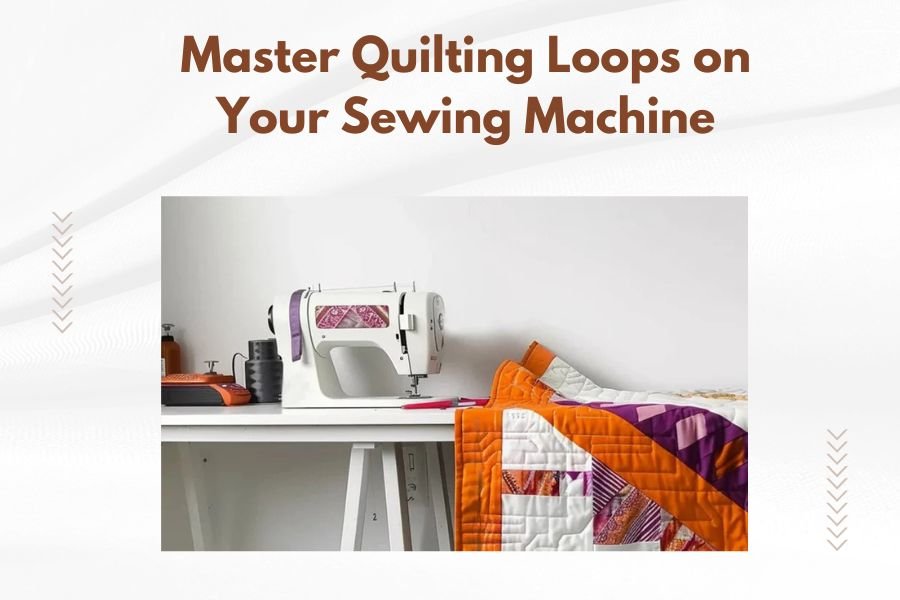
Master quilting loops by using the right presser foot, adjusting thread tension to 4-5, and maintaining steady fabric movement while following your marked design lines.
Quilting loops on your sewing machine requires proper setup including a walking foot or free-motion foot, balanced upper and lower thread tension, and consistent stitching speed for even loop formation.
What Are Quilting Loops and Why Do They Matter?
Quilting loops are decorative stitching patterns that create curved, interconnected shapes across your quilt surface. Think of them as gentle waves or ribbons flowing through your fabric layers.
These patterns serve two key purposes. They hold your quilt layers together securely. They also add beautiful texture and visual interest to your finished project.
You might wonder why loops are so popular among quilters. The answer is simple: they’re forgiving. Small imperfections blend naturally into the flowing design.
Essential Equipment for Perfect Quilting Loops
Choosing the Right Presser Foot
Your presser foot choice makes or breaks your loop quilting success. A walking foot works best for straight-line quilting with gentle curves.
For more intricate loops, switch to a free-motion or darning foot. This gives you complete control over fabric movement and stitch direction.
Thread Selection That Works
Cotton thread remains the gold standard for quilting loops. It blends well with most fabrics and provides consistent tension.
Polyester thread offers more stretch and strength. Use it when your loops will receive heavy wear or washing.
Thread Weight Guidelines
- 40-weight thread for most quilting loops
- 50-weight for fine, detailed work
- 30-weight for bold, visible loops
Needle Requirements
Match your needle to your fabric weight and thread choice. A 90/14 universal needle handles most cotton quilts perfectly.
Switch to an 80/12 for delicate fabrics or finer threads. Heavy fabrics need a 100/16 needle for clean penetration.
Setting Up Your Sewing Machine for Success
Thread Tension Adjustments
Proper tension creates loops that look identical on both sides of your quilt. Start with your machine’s normal setting, usually around 4 or 5.
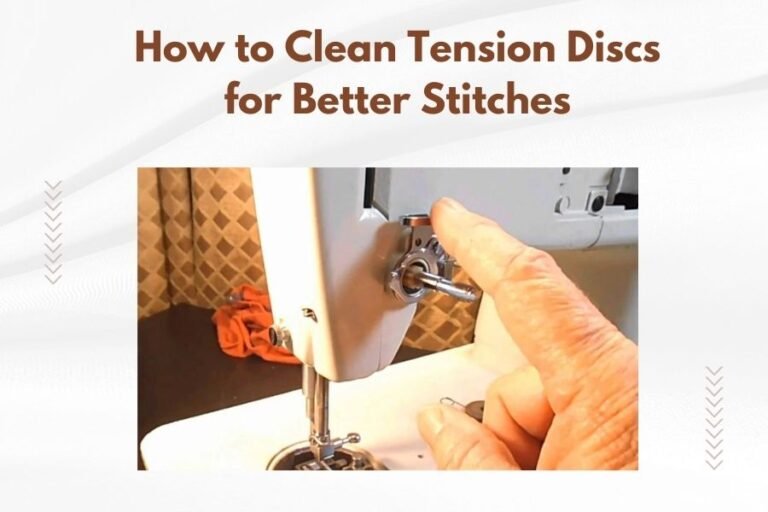
Test on a quilt sandwich first. If top thread shows through the back, reduce upper tension slightly. Bottom thread visible on top means you need more upper tension.
Stitch Length Settings
For walking foot quilting, set your stitch length between 2.5 and 3.5mm. This creates smooth curves without sharp corners.
Free-motion quilting bypasses stitch length settings. Your hand movement speed controls stitch formation instead.
Speed Control Tips
Consistent speed produces even stitches. Many quilters find medium speed (around 60% maximum) works best for learning.
Slow down for tight curves and corners. Speed up slightly on longer, sweeping sections of your loops.
Creating Your First Quilting Loops
Preparing Your Quilt Sandwich
Layer your quilt top, batting, and backing carefully. Smooth out wrinkles and bubbles as you go.
Pin or spray-baste the layers together. Focus extra attention on areas where you’ll stitch your loops.
Marking Your Loop Pattern
Light marking helps maintain consistent loop sizes and spacing. Use a washable fabric marker or quilting stencil.
Keep markings minimal. You want guidelines, not rigid patterns that restrict your creativity.
Simple Loop Shapes for Beginners
- Gentle S-curves across the quilt surface
- Interlocking circles or ovals
- Ribbon-like waves with consistent width
- Figure-eight patterns for interesting texture
Free-Motion Quilting Loop Techniques
Hand Position and Movement
Place your hands in a triangle around the needle area. This gives you maximum control over fabric direction.
Move the fabric smoothly and steadily. Jerky movements create uneven stitches and thread breaks.
Starting and Stopping Cleanly
Begin each loop section with 3-4 tiny stitches in place. This locks your thread without visible bulk.
End the same way. Small securing stitches prevent your beautiful loops from unraveling later.
Managing Large Quilts
Roll the quilt edges toward your working area. This reduces weight and bulk around the machine arm.
Use a table extension if available. Extra surface support prevents fabric drag and distortion.
Walking Foot Loop Quilting Methods
Planning Your Quilting Path
Walking foot quilting works best with continuous paths. Plan routes that minimize starting and stopping points.
Think of your loops as connected roads. You want smooth transitions between sections for professional results.
Navigating Curves and Corners
Stop with your needle down when changing direction. Lift the presser foot and pivot the fabric slightly.
Take curves slowly. Multiple small adjustments create smoother lines than trying to force sharp turns.
Common Problems and Quick Fixes
Uneven Loop Sizes
This usually stems from inconsistent fabric movement speed. Practice maintaining steady rhythm between stitches.
Use light guidelines to keep loops similar in scale. Don’t aim for perfection – slight variation adds handmade charm.
Thread Breaks During Quilting
Check your needle first. Dull or bent needles snag threads and cause breaks.
Examine thread path through your machine. Ensure smooth flow without catching or rubbing points.
Tension-Related Issues
| Problem | Likely Cause | Quick Fix |
|---|---|---|
| Loops on top surface | Upper tension too loose | Increase upper tension by 0.5 |
| Tight, puckered stitches | Upper tension too tight | Decrease upper tension by 0.5 |
| Bottom thread visible on top | Bobbin tension issues | Clean bobbin case, check threading |
Advanced Loop Variations
Feathered Loop Designs
Add small curved lines extending from your main loops. These create feather-like textures that catch light beautifully.
Keep feather additions small and consistent. They should complement, not overwhelm your base loop pattern.
Double and Triple Loop Patterns
Stitch parallel loops close together for rich, dense texture. This technique works especially well in quilt borders.
Maintain consistent spacing between your parallel lines. Use your presser foot width as a spacing guide.
Echo Quilting Around Loops
Echo lines following your loop shapes add depth and movement. Start close to your original loops and work outward.
Each echo line should be about 1/4 inch from the previous line. This creates gentle ripple effects across your quilt.
Finishing Techniques for Professional Results
Hiding Thread Tails
Pull thread tails to the back of your quilt using a large needle. Weave them through the batting layer.
Trim tails close to the fabric surface. Proper weaving prevents them from working loose over time.
Pressing After Quilting
Light pressing smooths any minor puckering from your loop quilting. Use a pressing cloth to protect thread shine.
Press gently without dragging the iron. Let the weight do the work to avoid distorting your careful stitching.
Practice Projects to Build Your Skills
Small Wall Hangings
Start with 12-inch squares for manageable practice. Small projects let you experiment without major time commitment.
Try different loop sizes and spacing on each practice piece. You’ll quickly discover your favorite approaches.
Table Runners and Placemats
These projects bridge the gap between small samples and full quilts. They’re practical and help build your confidence.
Focus on creating smooth, flowing loops across the length. This teaches you to maintain consistency over longer distances.
Conclusion
Mastering quilting loops on your sewing machine opens up a world of creative possibilities. Start with simple curved patterns and gradually work toward more complex designs as your skills develop.
Remember that imperfection adds character to handmade quilts. Focus on consistent technique rather than perfect execution. Your loops will improve naturally with practice and patience.
The key elements – proper foot selection, balanced tension, and steady fabric movement – work together to create beautiful results. Take time to set up your machine correctly, and your quilting loops will reward you with professional-looking texture and durability.
How do I prevent my quilt from shifting while quilting loops?
Use adequate basting with safety pins spaced 4-6 inches apart, or spray basting for temporary hold. Support the quilt weight with a large table or extension surface to prevent pulling and shifting during stitching.
What’s the best batting choice for loop quilting?
Low-loft cotton or cotton-polyester blend batting works best for loop quilting. These battings are stable, easy to needle, and won’t shift or beard through your fabric over time.
Can I quilt loops on a basic sewing machine without special feet?
Yes, you can create simple loops using your machine’s regular presser foot, though results may be less smooth. Focus on gentle curves rather than tight loops, and maintain slow, steady stitching speed for best results.
How do I fix wobbly or irregular loop shapes?
Practice consistent hand movement speed and rhythm. Use light pencil guidelines initially, and focus on smooth fabric gliding rather than forcing direction changes. Regular practice on small samples builds muscle memory for smoother loops.
Should I backstitch at the beginning and end of each loop section?
Avoid traditional backstitching which creates bulk and visible thread buildup. Instead, take 3-4 tiny stitches in place at the start and end points, then trim threads close to the fabric surface for clean finishes.