
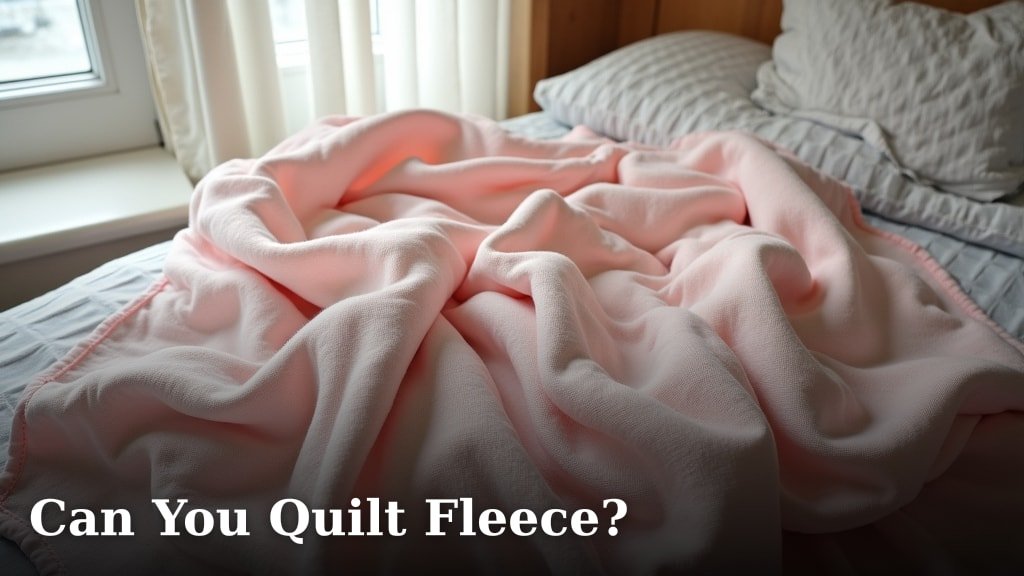
Yes, you can absolutely quilt fleece! In fact, fleece makes for a wonderfully cozy and forgiving quilting material. It’s a fantastic choice for beginners because it doesn’t fray easily and is quite forgiving if your stitches aren’t perfectly straight. You’ll find fleece quilts are incredibly warm and soft.
When quilting with fleece, you’ll discover it behaves differently than traditional cotton fabrics. It has a bit more stretch and can sometimes be a little slippery. Many quilters find that using a walking foot on their sewing machine really helps manage the fabric. You can create beautiful quilts without needing batting if you wish, making for a simpler project.
- Yes, fleece can be quilted.
- It’s known for being soft and warm.
- Fleece is beginner-friendly due to minimal fraying.
- Consider using a walking foot for easier handling.
- No batting is needed for a simpler fleece quilt.
Ready to learn the best techniques for quilting with fleece? Let’s walk through how to get started with this snuggly fabric.
Quilting with Fleece Fabric: Your Guide to Success
Yes, you can absolutely quilt with fleece! It’s a delightful fabric choice for many projects. You’ll find it wonderfully soft and cozy. Fleece quilts are perfect for adding extra warmth to your home or for creating snuggly gifts. It’s a really forgiving material to work with.
Understanding Fleece: What Makes It Different?
Fleece fabric is typically made from polyester. This gives it its unique characteristics. Unlike cotton, fleece has a bit of a stretch to it. It also has a fuzzy texture on one or both sides. This fuzzy texture is what makes it so warm and soft. It can also make it a little more prone to shifting when you’re sewing.
Stretch Factor Considerations
That inherent stretch means you need to be a little mindful. When cutting your fleece pieces, try not to stretch them. If you pull too hard, your pieces might end up a different size than you intended. This can cause issues when you try to join them. Gentle handling is key. Think of it like handling a soft, cuddly teddy bear.
The Fuzzy Side and Slippage
The fuzzy nap of fleece can sometimes cause it to be a bit slippery under the presser foot. This is where a few simple techniques come in handy. We’ll talk about those soon, but just be aware that it might not behave exactly like stiff cotton quilting fabric. It’s more like working with a plush blanket.
Preparing Your Fleece for Quilting
Just like any fabric, proper preparation is important. This step helps ensure your quilt turns out beautifully. It prevents puckering and makes the whole process smoother. Getting your fleece ready is a quick and easy step.
Pre-Washing Fleece: Is It Necessary?
This is a common question. Many quilters pre-wash all their fabrics. However, fleece is a bit different. Because it’s often 100% polyester, it doesn’t shrink much, if at all. Also, washing and drying can sometimes make the fleece *more* fuzzy, which might not be what you want for your quilt’s face. It can also increase its tendency to shed lint.
We found that for most fleece fabrics, skipping the pre-wash is perfectly fine. If you’re using a very cheap fleece, it might be worth a quick wash to remove any manufacturing residues. If you do wash it, use a gentle cycle and air dry if possible. This helps maintain its texture. For the most part, though, you can likely skip this step!
Cutting Your Fleece Accurately
Accurate cutting is always important in quilting. For fleece, it’s especially helpful to avoid stretching. Use a rotary cutter and mat for the cleanest cuts. If you use scissors, make sure they are sharp. Avoid dragging the fabric. Try to lift and cut. This minimizes any distortion. Think of it like slicing butter; you want a clean cut, not a messy tear.
Essential Tools and Techniques for Fleece Quilting
When working with fleece, a few tools can make your life much easier. They help manage the fabric’s unique properties. You don’t need a whole new set of equipment. Just a few thoughtful additions can make a big difference.
The Mighty Walking Foot
This is probably the most important tool you’ll want for quilting fleece. A walking foot, also known as an even-feed foot, feeds the top layer of fabric at the same rate as the bottom layer. This is crucial for preventing the fleece from stretching and creating lovely, even stitches. If your machine didn’t come with one, check your manual or manufacturer’s website to find one that fits. Many sewers swear by them for quilting in general, but they are a lifesaver with fleece.
Stabilizers: A Helping Hand
Sometimes, even with a walking foot, fleece can feel a bit unstable. That’s where wash-away or tear-away stabilizers come in. You can place a layer of stabilizer on top or underneath your fabric layers while sewing. After you’re done, you simply tear or wash it away. This adds extra stability and prevents the fleece from stretching out of shape. It’s like giving your fabric a temporary, supportive hug.
Needle Choice Matters
For fleece, a universal needle in a size 80/12 or 90/14 is usually a good choice. If you’re using a very thick fleece or multiple layers, you might need a slightly larger needle. Polyester thread is also a great option, as it has a bit of stretch and strength. Avoid using cotton thread, as it can be too stiff for the fleece. Learn about using polyester thread for your fleece quilt.
Quilting Designs with Fleece
With fleece, you have options for your quilting design. You can go for simple straight lines. These are easy to manage with a walking foot. Stitching in the ditch or echoing quilt lines are also good choices. You can also try free-motion quilting if you’re comfortable with it. Just remember to go a little slower and ensure your fabric is well-supported.
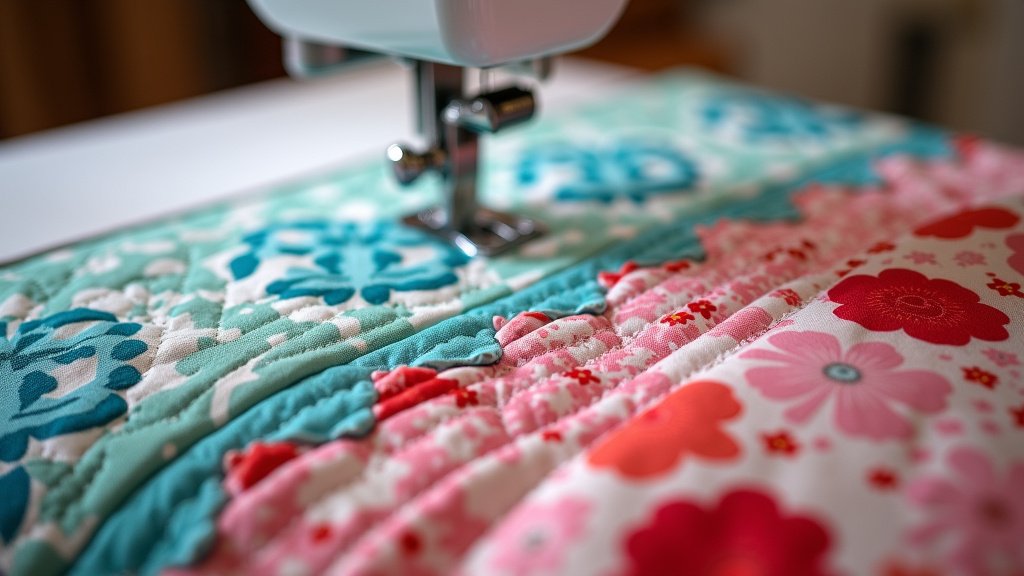
Constructing Your Fleece Quilt: No Batting Needed?
One of the wonderful things about fleece is that you often don’t need batting. This simplifies the quilt construction process considerably. It makes for a lighter, more breathable quilt.
The “Double Fleece” or “Quilt Sandwich”
A common and easy way to make a fleece quilt is to use two layers of fleece. You can use two pieces of the same color or two coordinating colors. Layer them right sides together if you want the seams to be hidden on the inside. Or, layer them wrong sides together and quilt through both. This creates a cozy, double-sided quilt.
Another popular method is to use one layer of fleece as the backing. Then, you add your quilt top (which could be cotton, flannel, or even another piece of fleece). You then sandwich a thin batting in between, or skip the batting altogether. A common “quilt sandwich” might look like this:
| Layer Order (Top to Bottom) | Description |
|---|---|
| Quilt Top | Your decorative front fabric. Could be cotton, flannel, or fleece. |
| Batting (Optional) | A thin layer for added loft. Many fleece quilts skip this. |
| Fleece Backing | A single layer of fleece for a soft, warm backing. |
Binding Your Fleece Quilt
Binding a fleece quilt is similar to binding any other quilt. However, remember that fleece can stretch. You want to cut your binding strips to the standard 2.25 or 2.5 inches wide. When attaching the binding, use your walking foot and sew with a consistent seam allowance. Avoid stretching the binding as you feed it through the machine. You can hand-stitch or machine-stitch the binding to the back. Either way, take your time to ensure a neat finish.
Edge Finishing Options for Fleece
Besides traditional binding, fleece offers other fun edge finishing options. You can create a simple turned edge. Fold the edges of your backing fleece over to the front, encasing the raw edges of the top. Then, quilt along this folded edge. Another option is to use a wider piece of fleece for your backing. Fold it over the front by several inches to create a built-in facing. This gives a very clean, modern look.
Quick Checklist for Quilting with Fleece:
- Use a walking foot for even feeding.
- Consider a stabilizer for extra support.
- Cut pieces carefully without stretching.
- Choose a universal needle (80/12 or 90/14).
- Skip pre-washing unless fabric seems dirty.
- Consider skipping batting for a lighter quilt.
Conclusion
You’ve learned that quilting with fleece is not only possible but also a rewarding experience. Its natural softness and warmth make it perfect for cozy projects. By understanding its unique stretch and slight slipperiness, and by using the right tools like a walking foot, you can achieve beautiful results. Remember that fleece often skips the need for batting, simplifying construction. Don’t be afraid to experiment with different edge finishes too. Your next snuggly quilt project is just a few steps away!
Frequently Asked Questions
Can I use any type of fleece for quilting?
Most common polyester fleeces, like anti-pill or blizzard fleece, work well. While you can quilt with any fleece, some cheaper varieties might shed more or have more stretch. Sticking to standard apparel or blanket weights is usually best for quilting.
How do I prevent fleece from stretching while sewing?
Using a walking foot is your best defense against stretching. You can also try using a temporary stabilizer underneath or on top of the fabric layers for extra support. Gentle handling and avoiding pulling the fabric through your machine are also key.
What kind of needle and thread is best for fleece quilting?
A universal needle in size 80/12 or 90/14 is typically suitable. For thread, a good quality polyester thread is recommended because it has a bit of stretch, mirroring the fleece. Avoid stiff cotton threads.
Do I need to use batting when quilting with fleece?
No, batting is usually optional with fleece quilts. Fleece itself provides warmth and loft. Many popular fleece quilt patterns use just two layers of fleece or a fleece backing with a quilt top, skipping batting entirely for a lighter finish.
How do I get clean, straight cuts on fleece?
Using a sharp rotary cutter and a cutting mat will give you the cleanest edges. If using scissors, ensure they are very sharp and try to lift and cut rather than drag the fabric. This helps prevent stretching and distortion as you cut.
