
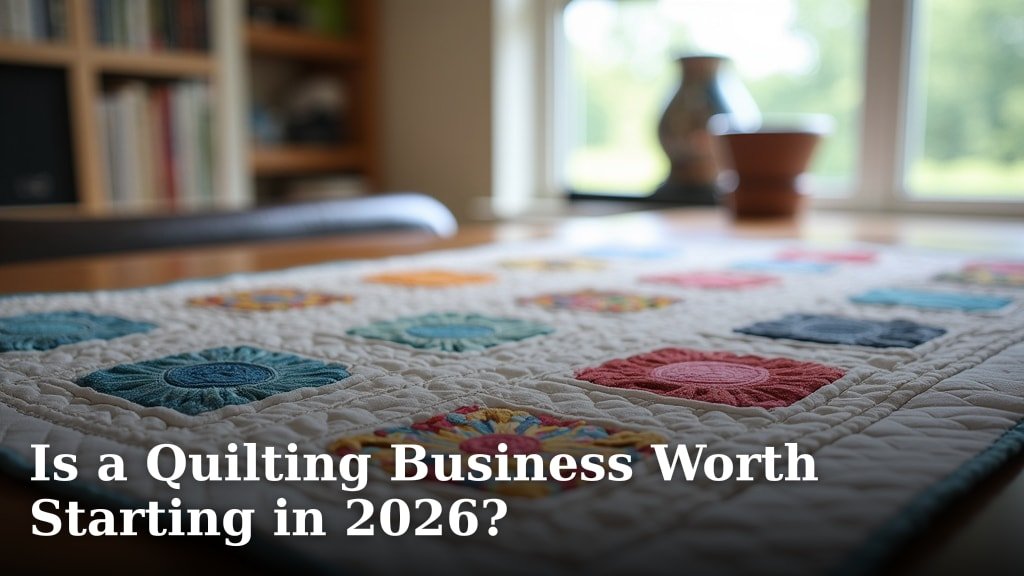
Yes, starting a quilting business in 2026 can absolutely be worth it if you approach it smartly. Many quilters are finding success by focusing on **unique designs** and building a strong **online presence**. It’s a viable business for those passionate about their craft. Our guide to the best quilting machine for small business can help you choose the right equipment.
The quilting industry continues to grow, driven by demand for **personalized home decor** and handcrafted gifts. Successfully launching your business means understanding your target audience and offering something **distinctive and high-quality**. You’ll want to stand out from the crowd.
- Demand for custom quilts remains strong.
- Online sales offer a wide reach.
- Focus on your unique selling points.
- Passion and good business sense are key.
Let’s walk through exactly what you need to consider to see if a quilting business is the right fit for you in the coming year.
Assessing the Viability of a Quilting Business in 2026
So, you’re thinking about turning your passion for quilting into a business. That’s fantastic! Let’s dive into whether launching a quilting business in 2026 is a smart move for you. The good news is, many people are finding **success and fulfillment** in this craft. It’s not just about making beautiful quilts; it’s about building a sustainable business that reflects your unique talents. We’ll look at the current market trends and what you’ll need to consider to make your dream a reality.
The Current Quilting Market: Opportunities and Trends
The quilting world is buzzing, and there are definite opportunities for entrepreneurs. Demand for **handmade and personalized items** continues to grow. People are looking for more than just mass-produced goods for their homes. They want something with a story, something made with care.
Demand for Custom and Unique Quilts
Custom quilts are a hot commodity. Think baby quilts, memory quilts made from loved ones’ clothing, or special occasion quilts. These aren’t items you can easily find in a big box store. They require **skill and personalization**, which is where you come in. We’ve found that customers are willing to pay a premium for a quilt that truly speaks to them.
The Rise of Niche Markets
Beyond custom work, there’s also a strong market for specific styles. Are you amazing at modern, minimalist quilts? Or perhaps you excel at traditional, intricate patterns? Identifying your **niche market** is key. This could include:
- Modern art quilts for home decor.
- Historical reproduction quilts.
- Quilts for specific hobbies or fandoms.
- Eco-friendly or sustainable quilts.
Focusing on a niche helps you stand out and attract a dedicated customer base. It makes marketing easier too.
Online Sales Channels
The internet has opened up the world for quilters. You’re no longer limited to local craft fairs. Platforms like Etsy, Shopify, and even social media allow you to reach customers globally. This **expanded reach** is a huge advantage for any new business. You can showcase your work to a much larger audience than ever before.
Key Factors for a Successful Quilting Business
Starting any business requires planning, and a quilting business is no different. You’ll want to think about a few essential elements to set yourself up for success. This isn’t just about your passion; it’s about making sound business decisions.
Developing Your Unique Selling Proposition (USP)
What makes your quilts special? This is your **Unique Selling Proposition**. Is it your fabric choices? Your innovative designs? Your speed of production? Or perhaps your exceptional customer service? Clearly defining your USP helps you communicate why customers should choose you over others. Many successful businesses excel because they offer something **distinctive and memorable**.
Pricing Your Work Profitably
This is often a tricky area for creative entrepreneurs. You need to cover your costs for materials, time, and overhead, plus make a profit. Research what similar quilters are charging. Consider the **value of your skills and artistry**. Don’t underprice your work; it devalues your craft and makes it hard to sustain your business. Many guides suggest calculating your hourly rate and adding material costs plus a profit margin (Small Business Administration).
Building an Online Presence
Your website and social media are your digital storefronts. High-quality photos of your work are essential. Engage with your audience by sharing your process, behind-the-scenes glimpses, and customer testimonials. Building a **strong online community** can lead to loyal customers. Think of it as inviting people into your creative space.
Quality and Craftsmanship
This should go without saying, but the **quality of your work** is paramount. Quilts are often heirloom items. Customers expect durability, beautiful stitching, and attention to detail. Investing in good materials and refining your techniques will pay off in customer satisfaction and repeat business. We found that consistent, high-quality work builds trust faster than anything else.

Understanding Your Costs and Potential Revenue
Let’s get down to the numbers. Knowing your expenses and potential income streams is vital for determining if a quilting business is financially viable for you.
Startup Costs to Consider
What will you need to get started? Some costs are one-time, while others are ongoing. Common startup costs include:
- Sewing machine(s): A good quality machine is an investment.
- Fabric and notions: Stocking up on materials.
- Tools: Rulers, rotary cutters, cutting mats, pressing tools.
- Website/Etsy fees: Costs for online platforms.
- Marketing: Business cards, social media ads.
- Insurance: Business liability insurance is wise.
These will vary greatly depending on whether you’re starting from scratch or already have a well-equipped studio.
Potential Revenue Streams
How will you make money? Your primary income will likely come from selling quilts. However, you can diversify:
- Custom Quilt Orders: The most direct sales.
- Ready-to-Ship Quilts: Pre-made items available for quick purchase.
- Quilt Patterns: Selling your designs for others to make.
- Quilting Services: Longarm quilting for other quilters.
- Workshops/Classes: Teaching your skills (online or in-person).
Having multiple income streams can provide more **financial stability** for your business.
Pricing Strategies: A Comparative Look
Pricing can be complex. Here’s a simplified way to think about it. You need to consider materials, your labor, and overhead. Your labor rate should reflect your skill and experience, not just minimum wage. Many experts recommend a pricing formula that looks something like this:
| Cost Component | Description |
|---|---|
| Material Costs | All fabric, batting, thread, backing, and embellishments used. |
| Labor Costs | Your hourly rate multiplied by the estimated hours to complete the quilt. |
| Overhead | A percentage to cover business expenses like utilities, software, website fees, etc. |
| Profit Margin | An additional percentage for business growth and unexpected expenses. |
For example, a smaller, simpler quilt might be priced differently than a large, complex heirloom piece. Do your research on similar items to ensure your pricing is competitive yet **profitable**.
Is It the Right Time for You? A Personal Checklist
Before you jump in, take a moment to reflect on your personal readiness. Does this sound like a good fit for your life and skills? Here’s a quick checklist to help you decide:
- Do you have a clear idea of what kind of quilts you want to make and sell?
- Are you prepared to dedicate consistent time to both creating and running the business?
- Have you realistically assessed your startup costs and how you’ll fund them?
- Are you comfortable with marketing and customer interaction, both online and off?
- Do you have a strong support system, or are you ready to tackle challenges independently?
- Are you eager to continuously learn and adapt to market changes?
If you answered ‘yes’ to most of these, then a quilting business in 2026 might just be your perfect next chapter. Your **passion and preparation** are your greatest assets.
Conclusion
As you can see, starting a quilting business in 2026 absolutely has potential. Your passion is the spark, but smart business practices are the fuel. By focusing on your unique designs and building a strong online presence, you can carve out your niche. Remember to price your work profitably and maintain that high quality customers expect. If you’ve assessed your readiness and are prepared to put in the work, your quilting dream can become a rewarding reality. Your next step? Start drafting your business plan!
Frequently Asked Questions
How much money do I need to start a quilting business?
Startup costs vary, but you’ll likely need to invest in a quality sewing machine, fabric, notions, and essential tools. Budgeting around $500-$2,000 for basic equipment and initial inventory is a reasonable starting point. Many quilters begin with what they already own and gradually expand their supplies as sales grow.
Is it hard to find customers for a quilting business?
Finding customers is easier when you have a clear focus. Identifying your niche, like modern baby quilts or memory quilts, helps target your audience. Building a strong online presence through social media and a website is key to reaching a wider customer base beyond your local area.
What is the most profitable way to sell quilts?
Custom orders often command higher prices because they are personalized. However, ready-to-ship quilts can provide more consistent income if you can produce them efficiently. Selling quilt patterns or offering quilting services can also add profitable revenue streams to your business.
Do I need a business license to start quilting from home?
Check your local city and county regulations. Most home-based businesses require a business license or permit to operate legally. This ensures you’re meeting local requirements for operating a small business from your residence.
How can I make my quilting business stand out in 2026?
Differentiation is key. Focus on a unique style, exceptional craftsmanship, or specialized services like memory quilts. High-quality photography and engaging storytelling on your website and social media will help you connect with customers and showcase what makes your work special.
