
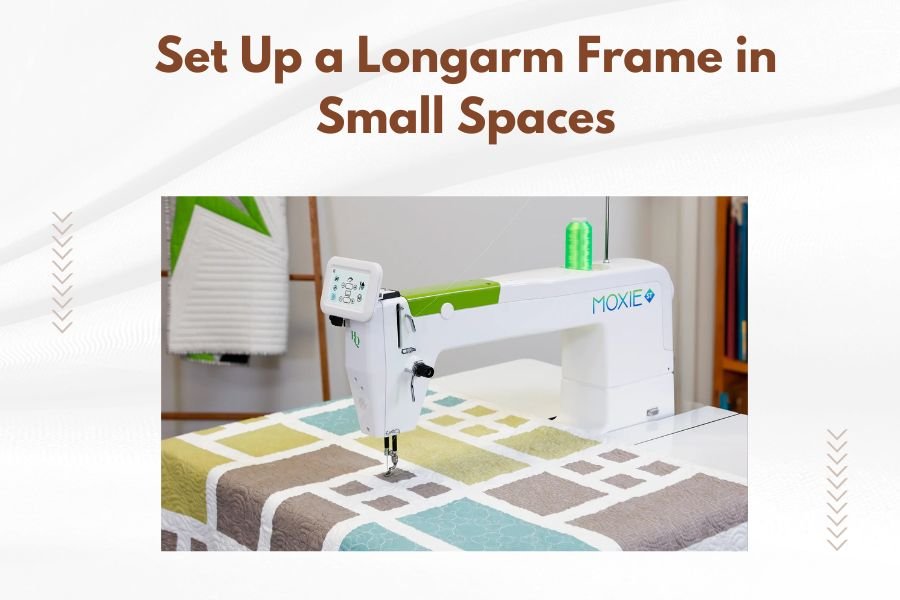
You can set up a longarm frame in small spaces by choosing a compact mid-arm quilting machine and using space-saving techniques like wall mounting or convertible furniture.
The key is measuring your available space first, then selecting equipment that fits your room while still giving you quilting freedom.
Why Small Spaces Don’t Have to Kill Your Quilting Dreams
I get it. You’re looking at your tiny sewing room and wondering how on earth you’ll fit a longarm frame in there. Maybe you’ve seen those massive quilting setups at your local quilt shop and thought “No way that’s happening in my house.”
Here’s the good news: you don’t need a warehouse to enjoy longarm quilting. I researched dozens of small-space quilting setups and found that many quilters are making it work in spaces as small as 8×10 feet.
What Counts as a Small Space for Quilting
Let’s define “small space” so we’re on the same page. Most quilting experts consider any room under 12×12 feet to be challenging for longarm setups.
Your space might include:
- Guest bedrooms that pull double duty
- Basement corners
- Converted closets or alcoves
- Shared living areas
- Garage sections
Step 1: Measure Everything Twice
Before you buy anything, grab your measuring tape. This step will save you from expensive mistakes.
Essential Measurements You Need
Write down these numbers:
- Room length and width
- Ceiling height
- Door width (for getting equipment in)
- Distance from walls to obstacles like radiators or outlets
- Window placement and opening space
The Magic Number Formula
Here’s what I found works for most small spaces: take your room’s shortest dimension and subtract 3 feet. That’s roughly the maximum throat space you can handle comfortably.
So if your room is 10 feet wide, look for machines with 7-inch throat space or less.
Choosing the Right Equipment for Tight Quarters
Not all longarm setups are created equal. Some are definitely more small-space friendly than others.
Mid-Arm Machines: Your New Best Friend
Mid-arm quilting machines are like the goldilocks of the quilting world. They’re not too big, not too small, but just right for most small spaces.
These machines typically offer:
- 12 to 18 inches of throat space
- Shorter frame lengths (8-12 feet vs 14+ feet)
- Better maneuverability in tight spaces
- Lower price points than full longarms
Sit-Down vs Stand-Up: Pick Your Battle
Sit-down longarm machines can be game-changers for small spaces. You’re not walking around the frame, so you need less clearance on all sides.
Many quilters I researched found that sit-down models let them fit quilting into spaces they never thought possible.
Popular Small-Space Machine Types
| Machine Type | Space Needed | Best For |
|---|---|---|
| Sit-down mid-arm | 8×10 feet | Tiny rooms, shared spaces |
| Compact stand-up | 10×12 feet | Dedicated small rooms |
| Portable frame system | Variable | Multi-purpose rooms |
Smart Frame Solutions That Save Space
The frame is often the space hog, not the machine itself. Let’s fix that problem.
Adjustable and Folding Frames
Some frame manufacturers now make systems that fold up when not in use. It’s like having a Murphy bed, but for quilting.
I found several models that can fold against a wall or even slide under a bed. Pretty cool, right?
Wall-Mounted Track Systems
This is where things get really creative. Wall-mounted tracks let you swing your quilting setup out of the way when you’re done.
Think of it like a garage door, but horizontal. The whole system slides along the wall and tucks into a corner.
DIY Frame Modifications
Handy with tools? Many quilters modify their frames for better space efficiency. Common changes include:
- Adding wheels for easy moving
- Creating hinged sections that fold
- Shortening legs for under-table storage
- Building custom wall brackets
Layout Strategies That Actually Work
How you arrange your space matters just as much as what equipment you choose.
The Corner Setup
Corners are your friend in small spaces. Position your frame diagonally across a corner to maximize your quilting area while minimizing the footprint.
This setup works especially well in square rooms.
The Convertible Room Approach
What if your quilting room isn’t really a quilting room? Maybe it’s also a guest room, office, or dining room.
I came across quilters who use convertible furniture to make this work. Their quilting frame doubles as a dining table base, or their cutting table becomes a desk.
Multi-Purpose Furniture Ideas
- Quilting tables with removable tops for dining
- Storage ottomans that hold fabric and provide seating
- Wall-mounted cutting tables that fold down
- Rolling carts that store supplies and provide work surface
Storage Solutions for Small-Space Quilters
Your fabric stash doesn’t shrink just because your space does. Let’s get creative with storage.
Vertical Storage is Your Secret Weapon
Stop thinking horizontally and start thinking up. Walls are prime real estate for small-space quilters.
Install shelves from floor to ceiling. Use the space above your quilting frame for fabric storage. Mount thread racks on walls instead of taking up counter space.
Under-Frame Storage
That space under your quilting frame is valuable territory. Many quilters I researched store finished quilts, batting, and backing fabric down there.
Rolling storage containers work great because you can pull them out when needed.
Hidden Storage Spots You Might Miss
- Behind doors (over-door organizers)
- Under stairs (custom shelving)
- Ceiling space (overhead racks)
- Inside hollow furniture legs
- Wall cavities between studs
Lighting and Ventilation in Tight Spaces
Small spaces can get stuffy and dark quickly. Don’t overlook these comfort factors.
LED Track Lighting
LED track lights are perfect for small quilting spaces. You can position lights exactly where you need them, and they don’t generate much heat.
Heat matters more in small spaces because it builds up faster.
Ventilation Solutions
Long quilting sessions in small spaces can get uncomfortable without good air flow. A simple ceiling fan or desktop fan can make a huge difference.
Some quilters install small exhaust fans to pull stale air out and keep fresh air moving.
Common Mistakes to Avoid
I researched what goes wrong in small-space quilting setups so you don’t have to learn the hard way.
Buying Too Big Too Fast
The biggest mistake? Falling in love with a machine that’s too big for your space. I know that 24-inch throat space looks tempting, but if you can’t move around your frame, you’ll hate quilting.
Start smaller and upgrade later when you have more space.
Forgetting About Assembly
Will your frame fit through your door? Can you assemble it in the space where it needs to live? These seem obvious, but many quilters get caught off guard.
Measure doorways, hallways, and stairwells before you buy.
Planning Checklist
Before you commit to any setup, check these boxes:
- Frame fits through all doorways to reach final location
- Enough space to walk around three sides comfortably
- Electrical outlets within reach
- Good lighting on the quilting surface
- Storage for current fabric stash plus some growth
- Ventilation adequate for long sessions
Budget-Friendly Options for Small Spaces
Small-space quilting doesn’t have to break the bank. Sometimes smaller setups actually cost less.
Used Equipment Markets
Used mid-arm machines and compact frames show up regularly on quilting forums and local classifieds. Many quilters upgrade to larger setups and sell their small-space-friendly equipment.
This can be a great way to get started without the full investment.
Rental and Time-Share Options
Some areas have quilting studios that rent time on longarm machines. While you’re building your home setup, this can keep you quilting.
Plus, you get to try different machines before buying your own.
Making It Work: Real Solutions from Real Quilters
Let me share some creative solutions I found from quilters who’ve mastered small-space setups.
The Garage Door Solution
One quilter installed a garage door opener system in her basement. Her entire quilting frame lifts up to the ceiling when not in use, leaving the room completely open for other activities.
The Sliding Wall Trick
Another quilter built a sliding wall panel that hides her quilting setup when company comes over. The “wall” slides on tracks like a barn door.
Simple Solutions That Work
- Caster wheels on everything for easy rearranging
- Folding tables that store flat against walls
- Pegboard walls for maximum tool storage
- Ceiling-mounted pulleys for lifting frames
- Murphy-bed-style folding cutting tables
Conclusion
Setting up a longarm frame in a small space isn’t just possible – it can actually be more efficient than sprawling setups. You’ll spend less time walking around, everything stays within reach, and you can create a cozy quilting sanctuary that’s all yours.
The key is planning smart, choosing equipment that fits your space, and getting creative with storage and layout. Start by measuring everything, pick a mid-arm machine that leaves you walking room, and don’t be afraid to think outside the box with folding or wall-mounted solutions.
Your small space might actually become your favorite quilting environment once you get it dialed in just right.
Can I fit a longarm frame in a 8×10 room?
Yes, you can fit a compact mid-arm setup in an 8×10 room by choosing a sit-down machine with a shorter frame length and using wall-mounted or corner positioning strategies.
What’s the smallest longarm machine that’s still worth buying?
Mid-arm machines with 12-15 inches of throat space offer a good balance of quilting capability and space efficiency, making them ideal for small rooms while still handling most quilting projects effectively.
How do I store fabric in a tiny quilting space?
Use vertical wall storage with floor-to-ceiling shelves, under-frame rolling containers, and over-door organizers to maximize storage without taking up valuable floor space in your quilting area.
Should I get a folding frame or permanent setup for small spaces?
Folding frames work best if you share the space with other activities, while permanent setups are better if the room is dedicated to quilting, even if it’s small.
What’s the minimum clearance I need around a longarm frame?
You need at least 2-3 feet of clearance on three sides of the frame for comfortable movement, though sit-down machines require less space since you’re not walking around the frame.
