
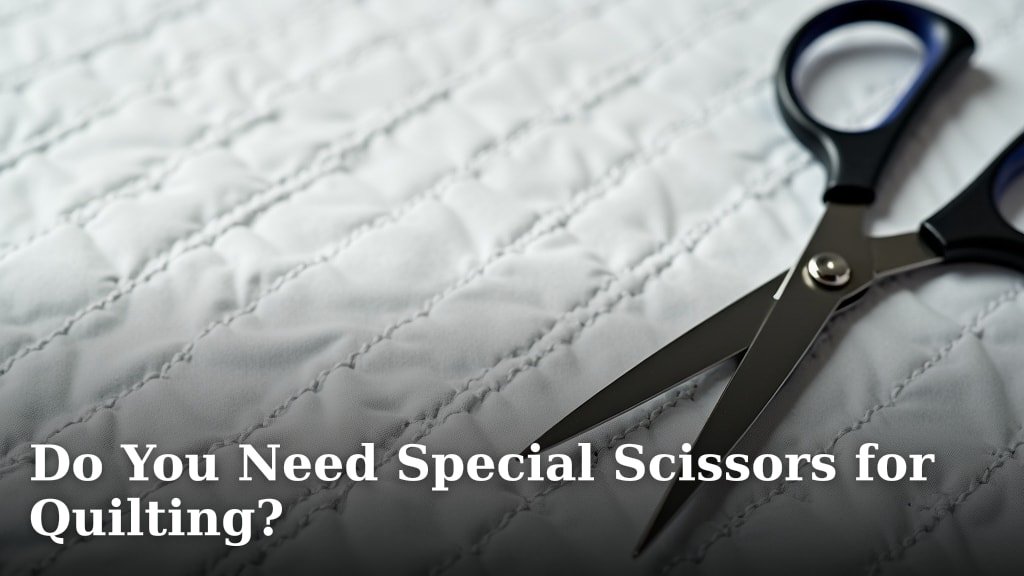
No, you don’t necessarily need special scissors for quilting, but using the right tools can make a big difference in your results and enjoyment. While any sharp pair of scissors might seem okay, specialized quilting scissors offer precision and comfort that standard household scissors often lack.
When you’re cutting fabric for your quilting projects, accuracy is key. Using scissors designed for fabric can help you achieve clean, straight lines, which is crucial for perfectly pieced quilts. We found that many quilters prefer specific types of scissors for different tasks.
- You don’t absolutely need special scissors, but they help.
- Regular scissors can work, but may lead to frustration.
- Quilting scissors offer precision for better results.
- There are different scissors for different quilting tasks.
- Investing in good scissors can improve your quilting experience.
Let’s walk through exactly why specialized quilting scissors are often recommended and what options you have for your next project.
Understanding Your Quilting Scissor Needs
So, do you really need those fancy scissors? The short answer is no, not absolutely. You can start quilting with basic scissors. However, we found that most quilters eventually invest in specialized tools. Why? Because the right scissors can make your quilting journey much more enjoyable and lead to better results.
Think of it like cooking. You can chop vegetables with a butter knife, but a sharp chef’s knife makes the task easier and more precise. The same applies to quilting. Using the right tool for the job saves you time and frustration.
The Difference Between Regular and Quilting Scissors
What sets quilting scissors apart from your average household pair? It primarily comes down to design and purpose. Regular scissors are general-purpose. Quilting scissors are crafted with specific tasks in mind.
We found that many household scissors aren’t designed for fabric. They can be dull or have blades that aren’t quite aligned. This leads to fabric fraying, slipping, or jagged cuts. Not ideal when accuracy is paramount for your quilt blocks.
Standard Household Scissors
These are the scissors you find in your junk drawer. They might cut paper, open packages, or even trim some threads. They’re often made of lower-grade steel and aren’t designed for repeated, precise fabric cutting. Using them for quilting can quickly dull them and damage your fabric.
We’ve all been there, trying to make do. But you’ll likely notice your fabric getting chewed up rather than cleanly cut. This can lead to frustration and inaccurate quilt pieces. And inaccurate pieces mean your quilt blocks won’t lie flat or match up correctly.
Specialized Quilting Scissors
Quilting scissors, on the other hand, are engineered for fabric. They typically feature sharper, more durable blades. Their design often includes comfortable handles for extended use. This attention to detail makes a big difference in your cutting experience.
We found that good quilting scissors offer a clean, precise cut every time. This helps you achieve those perfectly straight edges needed for patchwork. They become an extension of your hand, allowing for controlled and accurate work.
Key Benefits of Using Dedicated Quilting Scissors
Why should you consider investing in special scissors? The benefits go beyond just cutting fabric. They affect your comfort, accuracy, and overall quilting success.
Imagine trying to cut a perfect circle with dull, oversized scissors. It would be a nightmare! Quilting involves many precise cuts, and having the right tools makes the process smoother and more enjoyable.
Precision and Accuracy
This is arguably the biggest benefit. Quilting relies on precise measurements and cuts. Even a slight inaccuracy can throw off an entire quilt block. Specialized scissors provide the For achieving perfectly straight edges, consider using a quilting guide for straight lines.sharpness and control you need for perfect cuts.
We found that many quilters praise the clean edges achieved with dedicated fabric scissors. This means your fabric pieces will fit together beautifully, leading to a more professional-looking finished quilt.
Comfort and Ergonomics
Quilting often involves hours of cutting. Regular scissors can quickly cause hand fatigue, cramping, or even blisters. Quilting scissors are often designed with ergonomic handles to fit your hand comfortably.
Many brands offer different handle sizes and shapes. We found that this helps reduce strain on your hands and wrists (National Institute for Occupational Safety and Health). This means you can quilt longer and more comfortably without discomfort.
Durability and Longevity
Good quilting scissors are an investment. They are typically made from high-quality stainless steel that holds an edge longer. This means they won’t dull as quickly as cheaper household scissors.
When properly cared for, specialized scissors can last for many years. We found that quilters often have their favorite pairs for decades, treating them with care. They’re built to withstand the demands of frequent fabric cutting.
Types of Quilting Scissors to Consider
The world of quilting scissors is surprisingly diverse! You don’t need every type, but understanding the options can help you choose what’s best for your projects. Different scissors serve different purposes.
It’s not about having the most expensive pair; it’s about having the right tool for the task at hand. Let’s explore some common types you might encounter.
| Scissor Type | Primary Use | Key Feature | Why You Need It |
|---|---|---|---|
| Dressmaker Shears | Cutting large fabric pieces | Long, sharp blades | Efficiently cut yardage |
| Appliqué Scissors | Trimming close to stitches | Duckbill blade | Prevents cutting into fabric base |
| Snips/Thread Clippers | Trimming threads, small cuts | Small, spring-loaded | Quick, precise thread removal |
| Embroidery Scissors | Detailed work, tiny cuts | Very fine, pointed tips | Excellent for intricate tasks |
| Left-Handed Shears | For left-handed quilters | Blades reversed for visibility | Comfortable and accurate cutting |
Dressmaker Shears (Fabric Shears)
These are your workhorses. Dressmaker shears are usually 7-10 inches long with a bent handle. The bent handle allows the fabric to lie flat on your cutting surface as you cut. This helps prevent the fabric from shifting and ensures a more accurate cut.
We found that a good pair of dressmaker shears is essential for cutting out large pattern pieces or yardage. They provide clean, crisp cuts through multiple layers of fabric. This is where quality really shines through.
Appliqué Scissors (Duckbill Scissors)
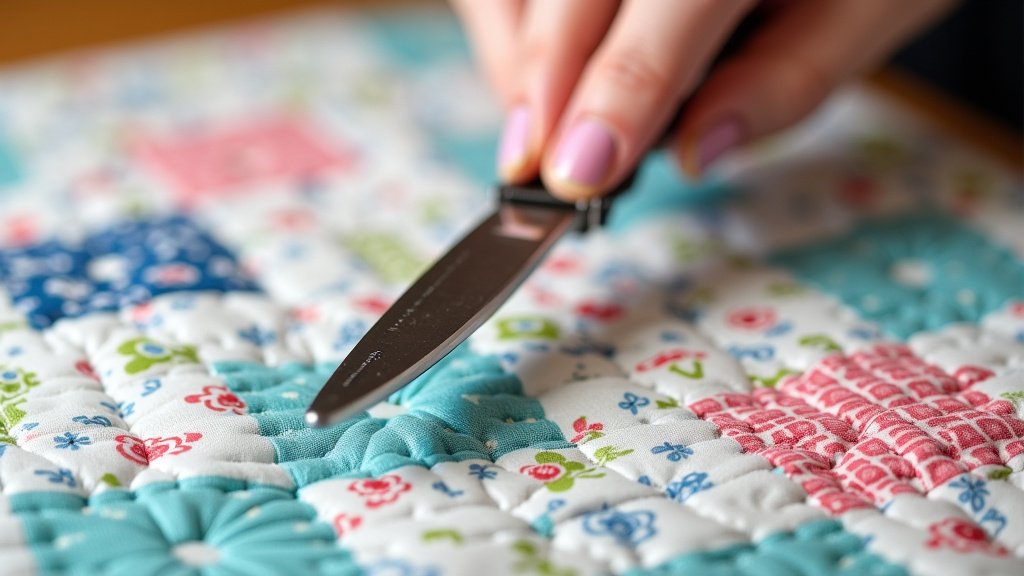
These scissors have a unique look with one paddle-shaped blade. This “duckbill” design helps you trim excess fabric very close to a seam or appliqué design without accidentally cutting into the main fabric.
If you enjoy appliqué, these are a game-changer. We found that they make the intricate task of trimming around small shapes much easier and safer. They provide a protective barrier against accidental snips.
Thread Snips or Clippers
These are small, spring-loaded tools perfect for quickly snipping threads. They are usually only a few inches long and fit comfortably in your hand. They’re fantastic for trimming stray threads and cleaning up your work.
We found that having a pair of snips near your sewing machine saves you from reaching for larger scissors constantly. They’re great for those tiny, precise cuts and are incredibly convenient.
Choosing the Right Scissors for You
With so many options, how do you decide? It really comes down to your personal quilting style and budget. You don’t need to buy every pair right away. Start with the basics and expand as your needs grow.
Think about the types of projects you typically make. Are you doing a lot of appliqué? Or mostly large, pieced quilts? Your projects will guide your choices.
What to Look for in Quilting Scissors
When you’re ready to buy, keep a few things in mind:
- Sharpness: The blades should be razor-sharp for clean cuts.
- Comfort: The handles should fit your hand well without causing strain.
- Material: Look for high-carbon stainless steel for durability.
- Size: Choose a size appropriate for the task (e.g., long for fabric, small for threads).
- Handedness: Ensure they are designed for your dominant hand (left or right).
A Quilter’s Scissor Checklist
To help you get started, here’s a simple checklist of scissors that many quilters find indispensable:
- One good pair of 8-inch dressmaker shears for fabric.
- A small pair of thread snips for quick thread trimming.
- A dedicated pair of small, sharp embroidery scissors for detailed work.
- (Optional) Appliqué scissors if you plan on doing a lot of appliqué.
- (Optional) Rotary cutter and mat for straight-line cutting of multiple layers.
Caring for Your Quilting Scissors
Once you invest in quality scissors, proper care is crucial to maintain their sharpness and longevity. Think of them as delicate instruments, not general-purpose tools. A little care goes a long way.
Tips for Maintaining Sharp Blades
Here’s how to keep your quilting scissors in top condition:
- Only cut fabric: Never use your fabric scissors for paper, plastic, or anything else. This is the golden rule!
- Wipe clean: After use, wipe the blades with a soft, dry cloth to remove any fabric fibers or dust.
- Oil occasionally: Apply a tiny drop of sewing machine oil to the pivot screw to keep them moving smoothly.
- Store properly: Keep them in a case or dedicated spot to protect the blades from damage.
- Professional sharpening: When they do get dull, have them sharpened by a professional who specializes in fabric scissors.
We found that neglecting these simple steps is the quickest way to ruin a good pair of fabric scissors. Treat them well, and they will serve your quilting projects for years.
Conclusion
While you can start quilting with any sharp scissors, upgrading to specialized quilting scissors truly enhances your experience. They offer the precision and comfort needed for accurate cuts, leading to beautifully pieced projects. Investing in a good pair of fabric shears and thread snips will save you frustration and improve your results.
Remember, the right tools protect your fabric and your hands, making quilting more enjoyable. Take the step to equip yourself with tools designed for the job, and you’ll immediately feel the difference in your quilting journey. Your future quilts will thank you!
Frequently Asked Questions
Can I use pinking shears for quilting?
Pinking shears create a zigzag edge to help prevent fabric fraying. While they have a purpose in sewing, they are generally not recommended for cutting quilt pieces. Quilting requires straight, precise edges for accurate piecing, which pinking shears cannot provide.
How often should I sharpen my quilting scissors?
The frequency depends on how often you quilt and the type of fabric you cut. If your scissors start to chew fabric, leave frayed edges, or require more effort to cut, it’s time for sharpening. For active quilters, this might be once a year, but it varies.
Is it okay to have one pair of scissors for all my quilting tasks?
You can certainly start with one good pair of fabric shears for most cutting. However, as you advance, you’ll find specialized tools like thread snips or appliqué scissors make specific tasks much easier and more precise. Consider adding them as your projects demand.
What’s the best way to store quilting scissors?
Store your quilting scissors in a way that protects their blades. Many quilters keep them in a dedicated case, a fabric sheath, or a drawer where they won’t get bumped or dull by other objects. Keeping them separate from household tools is key.
Will cheap quilting scissors work as well as expensive ones?
While you don’t need the most expensive scissors, there’s often a correlation between price and quality. Cheaper scissors may dull faster or not offer the same precision and comfort. Investing in a mid-range, reputable brand usually provides a good balance of performance and value for your quilting needs.
