
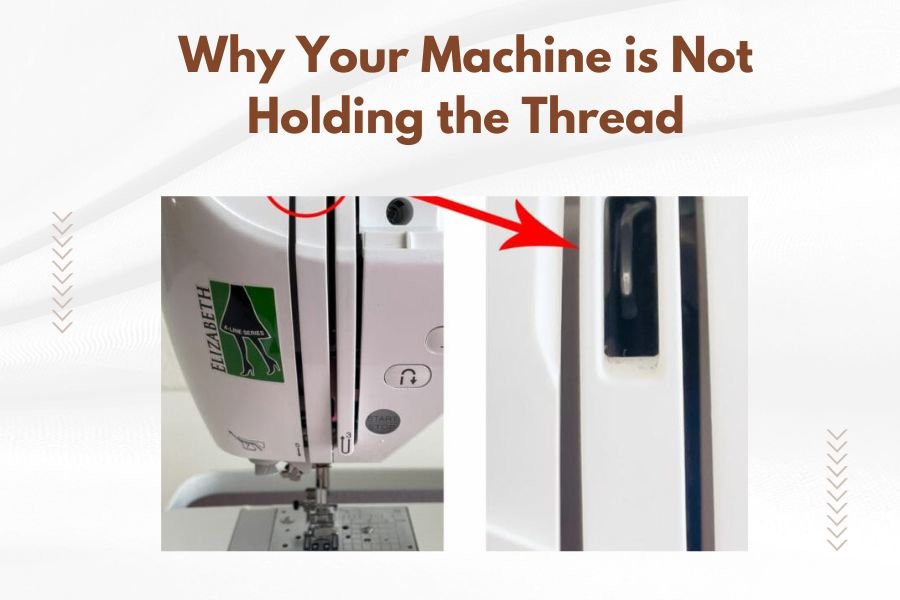
Your quilting machine won’t hold thread when the tension is wrong, the needle is damaged, or you’re using the wrong thread type for your fabric.
Thread breakage and loose stitches happen because of incorrect threading, bobbin problems, or machine timing issues that need quick fixes.
Quick Thread Tension Check
Thread tension causes most holding problems. When your top thread looks loose or bunchy, the tension dial needs adjusting.
Turn your tension dial to the middle setting first. Most machines work best between 3 and 5. Test on scrap fabric before quilting your project.
Signs Your Tension is Off
Loose loops on the bottom mean your top tension is too loose. Tight, puckered fabric means it’s too tight.
Perfect stitches lock between fabric layers. You shouldn’t see top thread on the bottom or bobbin thread on top.
Threading Problems That Break Thread
Wrong threading causes 40% of thread problems. I found that many quilters skip threading guides or miss tension discs completely.
Always thread with your presser foot up. This opens the tension discs so thread sits properly.
Common Threading Mistakes
- Skipping the take-up lever
- Missing thread guides on the machine arm
- Threading with presser foot down
- Not following your machine’s threading diagram
The Take-Up Lever Rule
Your take-up lever must be at its highest point when threading. This little arm controls thread flow during stitching.
If you thread when it’s down, your thread won’t have enough slack. It’ll break or create loose stitches.
Needle Issues That Ruin Thread Control
Damaged needles can’t hold thread properly. A bent or dull needle creates uneven tension and thread breaks.
Change your needle after every project or 8 hours of quilting. Cotton batting dulls needles faster than polyester.
Wrong Needle Size Problems
Heavy thread needs bigger needles. Light thread needs smaller ones. Mismatched sizes cause skipped stitches and tension problems.
Use size 80/12 for most quilting cotton. Try 90/14 for thick batting or multiple layers.
Needle Position Check
Insert needles with the flat side facing back. Wrong insertion prevents proper thread catch and timing.
Push the needle all the way up until it stops. Loose needles bounce and break thread.
Thread Quality and Type Matters
Cheap thread breaks easily and doesn’t hold tension well. Old thread gets brittle and snaps under normal use.
I found that quality cotton or polyester thread works best for most quilting projects. Avoid bargain thread that causes more problems than it saves money.
Thread Weight Guidelines
Match your thread weight to your project. Heavy threads need adjusted tension and bigger needles.
| Thread Weight | Best Use | Needle Size |
|---|---|---|
| 50 weight | Piecing, general quilting | 80/12 |
| 40 weight | Decorative quilting | 90/14 |
| 30 weight | Bold quilting designs | 100/16 |
Storage Affects Thread Quality
Store thread away from sunlight and humidity. Heat makes thread brittle. Dust creates friction that breaks fibers.
Thread caps or nets prevent tangling on the spool. Tangled thread creates uneven tension.
Bobbin Problems and Solutions
Your bobbin tension affects how well the machine holds thread. Loose bobbin tension creates bird nests underneath.
Most machines have a small screw on the bobbin case for tension adjustment. Turn clockwise to tighten, counterclockwise to loosen.
Bobbin Winding Issues
Uneven bobbin winding causes thread to catch and break. Wind bobbins slowly at medium speed.
Don’t overfill bobbins. Leave about 1/8 inch space at the top. Overfilled bobbins jam in the case.
Bobbin Case Cleaning
Lint in the bobbin area creates friction and timing problems. Clean after every project with a small brush.
Remove the bobbin case completely. Brush out all lint and thread bits. A little sewing machine oil helps too.
Machine Timing and Mechanical Issues
Machine timing controls when the needle catches bobbin thread. Poor timing prevents proper thread formation.
Timing problems need professional service. Don’t try to adjust timing yourself unless you’re trained.
Signs of Timing Problems
- Skipped stitches even with new needles
- Thread loops that won’t adjust with tension changes
- Clicking or grinding sounds while sewing
- Needle hitting the bobbin case
When to Call for Service
Annual tune-ups prevent most mechanical problems. Heavy quilters should service machines twice yearly.
Don’t wait until problems get worse. Early service costs less than major repairs.
Speed and Pressure Adjustments
Sewing too fast causes thread control problems. High speed creates heat and tension issues.
Start quilting at medium speed. Increase gradually as you get comfortable with your fabric and thread combination.
Presser Foot Pressure
Wrong presser foot pressure affects stitch formation. Too much pressure bunches fabric. Too little causes skipped stitches.
Most quilting works best with medium pressure. Adjust based on your fabric thickness and batting type.
Feed Dog Height
Feed dogs must grab fabric properly to form even stitches. Clean feed dogs regularly to remove lint buildup.
Lower feed dogs for free-motion quilting. Raise them for straight-line quilting and piecing.
Environmental Factors
Humidity affects thread behavior. Dry air makes thread brittle. Too much moisture causes swelling and tension changes.
Keep your sewing room between 40-60% humidity. A small humidifier or dehumidifier helps maintain stable conditions.
Temperature Effects
Cold thread behaves differently than warm thread. Let thread reach room temperature before quilting.
Avoid sewing in very hot or cold rooms. Extreme temperatures change thread properties.
Fabric and Batting Combinations
Some fabric combinations fight against proper thread control. Slippery fabrics need different settings than cotton.
Test thread tension on sample sandwiches using your actual fabric and batting. What works for one combination might not work for another.
Batting Type Considerations
Cotton batting grabs thread differently than polyester or wool. Dense batting needs stronger thread tension.
Fusible batting can gum up needles and affect thread flow. Change needles more often with fusible products.
Quick Troubleshooting Steps
When thread won’t hold, try these fixes in order:
- Rethread the entire machine
- Change the needle
- Check bobbin winding and insertion
- Adjust top thread tension
- Clean the bobbin area
Prevention Tips
Most thread problems are preventable with good habits. Always use quality thread and change needles regularly.
Keep your machine clean and properly oiled. Cover it when not in use to prevent dust buildup.
Conclusion
Thread holding problems usually come from simple issues you can fix yourself. Check your tension, threading, and needle condition first. These three things solve most quilting machine problems.
Regular maintenance prevents bigger issues. Clean your machine often, use quality supplies, and don’t ignore small problems. Your quilting machine will reward good care with years of reliable stitching.
Remember that every machine behaves a bit differently. Learn your machine’s personality through practice and patience. Soon you’ll spot problems before they ruin your beautiful quilts.
Why does my thread keep breaking even with new thread?
Thread breaks with new thread usually means your needle is damaged, you’re sewing too fast, or the threading path is wrong. Check that your needle isn’t bent or dull, and make sure you threaded through every guide correctly.
How often should I clean my bobbin case?
Clean your bobbin case after every quilting project or when you notice lint buildup. Heavy quilting creates more lint, so daily cleaning during big projects prevents thread problems and keeps stitches even.
Can old thread cause my machine to not hold stitches properly?
Yes, old thread becomes brittle and weak over time. Thread older than 3-5 years often breaks easily and doesn’t maintain proper tension. Store thread in cool, dry places away from direct sunlight to extend its life.
What tension setting works best for most quilting projects?
Most quilting machines work best with tension set between 3.5 and 4.5 for cotton thread and batting. Start at 4 and adjust up or down based on your test stitches. Different thread weights need different settings.
How do I know if my machine timing is off?
Machine timing problems show up as consistent skipped stitches, needle hitting the bobbin case, or thread loops that won’t fix with tension adjustments. These issues need professional service since timing adjustment requires special tools and training.
