
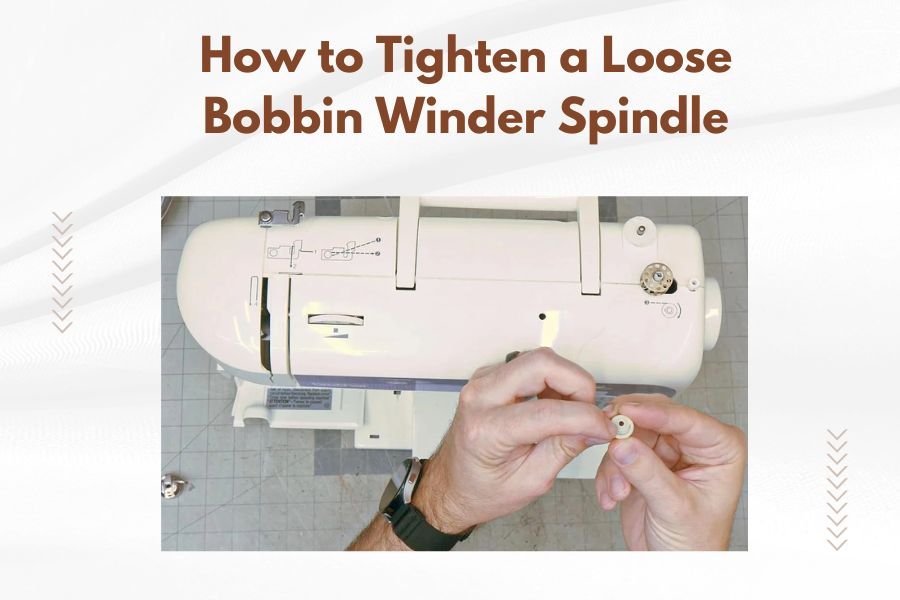
To tighten a loose bobbin winder spindle, you need to adjust the tension screw or replace the rubber ring that creates friction against the spindle.
Most loose bobbin winder spindles can be fixed by cleaning debris from the mechanism and tightening the small screw that holds the spindle assembly in place.
Quick Fix for Your Bobbin Winder Problem
Your bobbin winder spindle is acting up again, right? That wobbly little thing refuses to grip your bobbin properly. I get it – nothing kills your sewing momentum like a spindle that won’t cooperate.
The good news? This problem usually takes less than 10 minutes to fix. Most spindle issues come from three simple causes: loose screws, worn rubber rings, or built-up lint.
What Makes Your Bobbin Winder Spindle Loose
Think of your bobbin winder like a tiny car wheel. It needs proper grip to turn smoothly. When parts wear down or come loose, that grip disappears.
Here’s what typically goes wrong:
- The tension screw works itself loose over time
- The rubber friction ring wears thin or cracks
- Lint and thread bits clog the mechanism
- The spindle shaft gets bent from rough handling
Signs Your Spindle Needs Attention
You’ll know something’s off when your bobbin slips while winding. Maybe it makes weird clicking sounds. Or the bobbin wobbles like a drunk penguin.
Some machines will wind thread unevenly across the bobbin. Others might not engage the winder at all.
Tools You Need for the Job
Don’t worry – you won’t need a full toolbox for this. Most repairs use basic items you probably have lying around.
Essential Tools
- Small screwdriver set (both flathead and Phillips)
- Tweezers for grabbing small parts
- Soft cloth for cleaning
- Small brush (old toothbrush works great)
- Sewing machine oil
Optional but Helpful Items
- Magnifying glass for tiny screws
- Compressed air for blowing out debris
- Needle-nose pliers
- Good lighting or flashlight
Step-by-Step Repair Process
Let’s walk through this together. Take your time – rushing leads to dropped screws and headaches.
Step 1: Power Down and Prepare
Turn off your sewing machine and unplug it. Safety first, always. Remove any thread from the bobbin winder area.
Take a photo of the bobbin winder before you start. Trust me on this – it helps when putting things back together.
Step 2: Locate the Problem Area
Look closely at your bobbin winder spindle. Can you wiggle it more than usual? Does it feel loose when you touch it?
Check the small screw at the base of the spindle. This little guy often works loose from vibration during normal sewing.
Step 3: Clean the Mechanism
Use your brush to remove lint and thread bits. You’d be amazed how much junk builds up in there. It’s like finding dust bunnies under your bed – gross but satisfying to clean.
Wipe down all visible parts with your soft cloth. Clean parts move better and last longer.
Step 4: Tighten the Tension Screw
Find the small screw that holds your spindle assembly. It’s usually at the base or side of the spindle housing.
Turn it clockwise to tighten – but don’t overdo it. You want snug, not super-tight. Think firm handshake, not death grip.
Testing the Tightness
After tightening, test the spindle movement. It should feel secure but still turn smoothly. If it binds up, you’ve gone too far.
Step 5: Check the Rubber Ring
Many bobbin winders use a small rubber ring to create friction. This ring sits against the spindle and helps it grip your bobbin.
Look for cracks, wear, or hardening in the rubber. Old rubber gets stiff and loses its grip – like trying to open a jar with slippery hands.
Replacing a Worn Rubber Ring
If your rubber ring looks shot, you’ll need a replacement. Check your sewing machine manual for the part number, or take the old ring to your local sewing shop.
Installing the new ring usually involves sliding it over the spindle shaft. Make sure it sits in the same position as the old one.
Common Mistakes to Avoid
I’ve seen people make these errors over and over. Let’s save you the trouble.
Over-Tightening Screws
More isn’t always better. Over-tightened screws can strip threads or crack plastic parts. Snug is enough.
Forcing Stuck Parts
If something won’t budge, don’t muscle it. Add a drop of sewing machine oil and let it sit for a few minutes. Sometimes parts just need time to loosen up.
Losing Small Parts
Work over a white towel or in a small box. Those tiny screws love to disappear into carpet fibers. It’s like they have little legs.
When Your Spindle Shaft Is Bent
Sometimes the spindle shaft itself gets bent. This happens when people force bobbins on or knock the spindle sideways.
A bent shaft is harder to fix at home. You can try gentle pressure with needle-nose pliers, but be careful. Too much force can break the shaft completely.
Signs of a Bent Shaft
- Bobbin wobbles even when everything else is tight
- Uneven thread winding patterns
- Spindle doesn’t sit straight
- Resistance when turning the shaft
Maintenance Tips to Prevent Future Problems
An ounce of prevention beats a pound of repair, right? Here’s how to keep your bobbin winder happy.
Regular Cleaning Schedule
Clean your bobbin winder area every few months. It takes five minutes but prevents bigger headaches later.
Use your brush to remove lint buildup. Wipe metal parts with a slightly damp cloth.
Gentle Handling
Don’t force bobbins onto the spindle. They should slide on easily. If you meet resistance, check for burrs or debris.
Avoid bumping the spindle when moving fabric around. That little shaft is tougher than it looks, but it’s not indestructible.
Periodic Lubrication
A tiny drop of sewing machine oil on moving parts helps them stay smooth. Don’t overdo it – oil attracts lint like a magnet.
| Maintenance Task | Frequency | Time Required |
|---|---|---|
| Clean lint and debris | Every 2-3 months | 5 minutes |
| Check screw tightness | Every 6 months | 2 minutes |
| Oil moving parts | Yearly | 3 minutes |
| Inspect rubber ring | Yearly | 1 minute |
Different Machine Types Need Different Approaches
Not all sewing machines are built the same way. Your approach might vary depending on what you’re working with.
Mechanical Machines
These older machines usually have simpler bobbin winders. The parts are bigger and easier to see. Repairs tend to be straightforward.
Electronic Machines
Newer machines might have more complex winder mechanisms. Some use electronic sensors to stop winding automatically. Be extra careful around any wires or electronic components.
Industrial Machines
Heavy-duty machines often have beefier bobbin winders. The same principles apply, but parts might be larger and require more force to adjust.
Troubleshooting Persistent Problems
What if you’ve tried everything and the spindle still acts up? Don’t give up yet.
Double-Check Your Work
Go back through each step. Sometimes we miss something obvious on the first pass. It happens to everyone.
Try Different Bobbins
Maybe the problem isn’t your spindle at all. Try winding different bobbins to see if the issue persists. Some bobbins get warped or damaged.
Check for Worn Drive Belt
Your bobbin winder connects to the machine’s motor through a belt or gear system. If that connection is loose or worn, the spindle might not get enough power to grip properly.
When to Call for Professional Help
Sometimes DIY repair hits its limits. That’s okay – knowing when to stop prevents bigger problems.
Signs You Need a Pro
- Multiple attempts haven’t fixed the problem
- You find cracked or broken plastic parts
- Electronic components seem involved
- Your machine is still under warranty
What to Expect from Professional Repair
A good sewing machine technician can diagnose bobbin winder problems quickly. They have specialized tools and replacement parts you might not be able to find.
Repair costs for bobbin winder issues typically range from $30 to $80, depending on parts needed.
Conclusion
Fixing a loose bobbin winder spindle doesn’t have to be scary. Most of the time, you’re looking at a simple cleaning and tightening job that takes less time than making a cup of coffee.
Remember the key points: clean first, tighten gently, and replace worn parts when needed. Regular maintenance prevents most problems before they start. Your sewing projects will flow much smoother with a properly working bobbin winder.
Don’t be afraid to tackle this repair yourself. You’ve got this! And if you don’t, well, that’s what sewing machine technicians are for.
Why does my bobbin winder spindle keep coming loose?
Repeated vibration from normal sewing gradually loosens the tension screw that holds your spindle in place. Thread buildup can also prevent the screw from staying properly seated. Check and tighten the screw every few months to prevent this issue.
Can I use regular household oil on my bobbin winder mechanism?
No, stick to sewing machine oil only. Regular oils can gum up over time and attract more lint. Sewing machine oil is specially formulated to stay fluid and not collect debris. A small bottle lasts for years and costs less than five dollars.
How do I know if my rubber friction ring needs replacement?
Look for cracks, hardening, or visible wear on the rubber surface. A good friction ring feels slightly soft and pliable. If it feels hard like plastic or shows cracks, it won’t grip your bobbin properly and should be replaced.
What should I do if I drop a small screw during repair?
Turn off all lights except one bright source, then look for the screw’s shadow on the floor. Use a flashlight to check under your sewing table and nearby furniture. If you can’t find it, take a photo of the remaining parts to your local sewing shop for a replacement screw.
Is it normal for my bobbin winder to make some noise while working?
A quiet humming or soft clicking is normal, especially on older machines. Sharp clicking, grinding, or squealing sounds indicate problems. These noises often mean parts need cleaning, lubrication, or adjustment. Address unusual sounds quickly to prevent bigger damage.
