
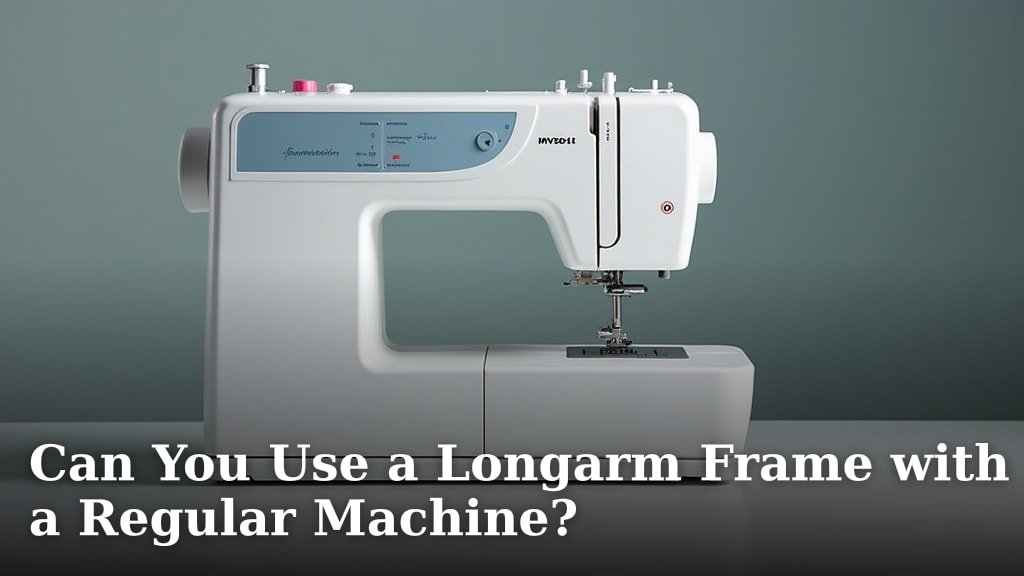
Yes, you can absolutely use a longarm frame with a regular sewing machine, but it often requires some clever adaptations. While not every standard machine will work perfectly, many can be modified to fit a quilting frame. You might need specific accessories or custom adjustments to make it happen smoothly.
Many quilters wonder if they need a dedicated longarm machine for beautiful, large-scale quilting. We found that your existing domestic machine can often be repurposed. This can save you money and still let you enjoy the benefits of a frame. Think of it as giving your current machine a new, exciting job!
- Using a longarm frame with a regular machine is often possible.
- It might require some modifications or special parts.
- Not all domestic machines are a perfect fit, but many can adapt.
- This setup can save you from buying a costly longarm machine.
Ready to see how you can make your regular sewing machine work with a longarm frame? Let’s walk through the details and discover if this quilting adventure is right for you!
Adapting a Domestic Machine for Longarm Quilting Frames
You can often use your regular domestic sewing machine with a longarm quilting frame. It takes some adjustments, but it’s a popular way to get into frame quilting without buying a new, expensive longarm machine.
Think of it like putting a smaller engine into a bigger car frame. It can work, but you need the right mounts and connections. We found that the main goal is to secure your machine to the frame’s carriage system. This lets you move your machine freely over the quilt layers.
Understanding the Core Challenge
The biggest hurdle is that regular machines aren’t built for movement on a frame. They usually sit still on a table. Longarm machines are designed to move along rails.
Your domestic machine needs to become part of a movable carriage. This carriage then glides across the frame. It’s about stability and smooth motion.
Machine Size and Weight Considerations
Not every domestic machine is ideal. Size and weight really matter. A very small, lightweight machine might vibrate too much. A very heavy, bulky machine might be hard to move.
We found that machines with a decent harp space are better. Harp space is the area to the right of the needle. It determines how much quilt you can fit under the arm. A larger harp allows more freedom for quilting bigger designs.
Foot Control and Power Supply
Your machine’s foot pedal needs to be accessible. Since you’re standing, it can be tricky. Some quilters mount the foot pedal to a board on the floor. Others adapt it to a hand control mechanism.
The power cord also needs to be long enough. You don’t want it pulling or getting tangled as you move your machine along the frame. Consider an extension cord if needed.
Modifications and Accessories You Might Need
Making your domestic machine frame-ready usually involves special parts. These parts bridge the gap between your machine and the frame’s design. Don’t worry, many companies make these kits.
It’s like buying an adapter for your phone charger. It makes two different systems compatible. These kits often include plates and handles.
- Conversion Kits: Many longarm frame manufacturers offer kits specifically for domestic machines. These usually include a flatbed insert and handles.
- Flatbed Insert: Your machine usually has a free arm. For frame quilting, you need a flat, stable surface. A flatbed insert fills the gap around your machine, creating a smooth work area.
- Handles: You need a way to grip and guide your machine. Conversion kits often come with special handles that attach to your machine’s body or the flatbed insert.
- Needle Positioner: This isn’t always essential, but it’s very helpful. It lets you stop the needle in the up or down position. This is great for pivoting and precision.
- Open Toe Hopping Foot: This foot gives you a clear view of your stitching area. It also “hops” over the fabric, preventing drag. Many domestic machines have compatible feet.
Choosing the Right Longarm Frame for Your Domestic Machine
Not all longarm frames are created equal. Some are designed specifically to be more adaptable for domestic machines. When shopping for a frame, keep this in mind.
We found that some frames are more “universal.” They have carriages that can hold a wider range of machine sizes. Look for frames that advertise “domestic machine compatible” or “sit-down machine ready.”
Frame Size and Space Requirements
Longarm frames take up a lot of space. Before you even think about adapting your machine, measure your room! Frames can be 8 to 12 feet long, or even more.
You need space around the frame, too. You’ll be walking around it to quilt. Don’t forget ceiling height, especially if your frame has top rails for a laser or light system.
Types of Frames Suitable for Domestic Machines
There are a few main types of frames. Some work better with domestic machines than others. We found that certain designs simplify the adaptation process.
| Frame Type | Description | Domestic Machine Suitability |
|---|---|---|
| Entry-Level/Tabletop Frame | Smaller, designed to sit on a table. Often use a “sit-down” quilting style. | Excellent. Many are made for this purpose. |
| Stand-Up Frame (Track System) | Larger frames with tracks for your machine carriage to glide on. | Good, but requires a conversion kit for your machine. |
| Hoop or Mini Frame | Small, portable frame for small projects. Machine sits on top. | Very Good, often just holds the fabric taut. |
The Quilting Experience: What to Expect
Using a domestic machine on a longarm frame is different from traditional sit-down quilting. You’ll be standing and guiding the machine, not the fabric. This takes some getting used to.
Think of it as drawing with a pen that moves over the paper, instead of moving the paper under a fixed pen. Your arms become your guides.
Learning Curve for Movement and Control
There’s definitely a learning curve. Your hands will be doing the driving. You’ll need to practice maintaining consistent stitch length. Your speed of movement and machine speed need to match.
Many quilters recommend starting with simple pantograph designs. These are patterns printed on paper that you follow with a laser or stylus. This builds muscle memory.
Limitations Compared to a True Longarm Machine
While adapting your machine is great, it’s important to be realistic. A converted domestic machine won’t have all the features of a dedicated longarm. We found a few key differences:
- Smaller Harp Space: Your domestic machine will always have less room for big quilts than a true longarm. This means more frequent rolling of your quilt on the frame.
- Slower Speeds: Domestic machines aren’t built for the continuous high-speed quilting of a longarm. Pushing them too hard can lead to wear and tear.
- Lack of Built-in Features: Longarms often have thread cutters, automatic needle up/down, and stitch regulators built-in. Your domestic machine likely won’t have all these.
- Less Power: Longarm motors are more powerful, designed to handle multiple layers of thick fabric at speed. Your domestic machine might struggle with very dense quilting or thick batting.
Checklist for Success with Your Adapted Setup
To make sure your project goes smoothly, here’s a quick checklist:
- Check Machine Compatibility: Ensure your domestic machine has enough harp space and can be fitted with a conversion kit.
- Measure Your Space: Confirm you have enough room for the frame and to walk around it comfortably.
- Gather Necessary Accessories: Order your conversion kit, flatbed insert, and an open-toe hopping foot.
- Practice, Practice, Practice: Start with scrap fabric and simple designs to get used to the feel.
- Mind Your Ergonomics: Adjust frame height and handle positions for comfortable, strain-free quilting.
- Maintain Your Machine: Keep your machine clean and oiled, especially with increased use on the frame.
By following these steps, you can successfully use your regular sewing machine with a longarm frame. It’s a fantastic way to expand your quilting capabilities without breaking the bank. Happy quilting!
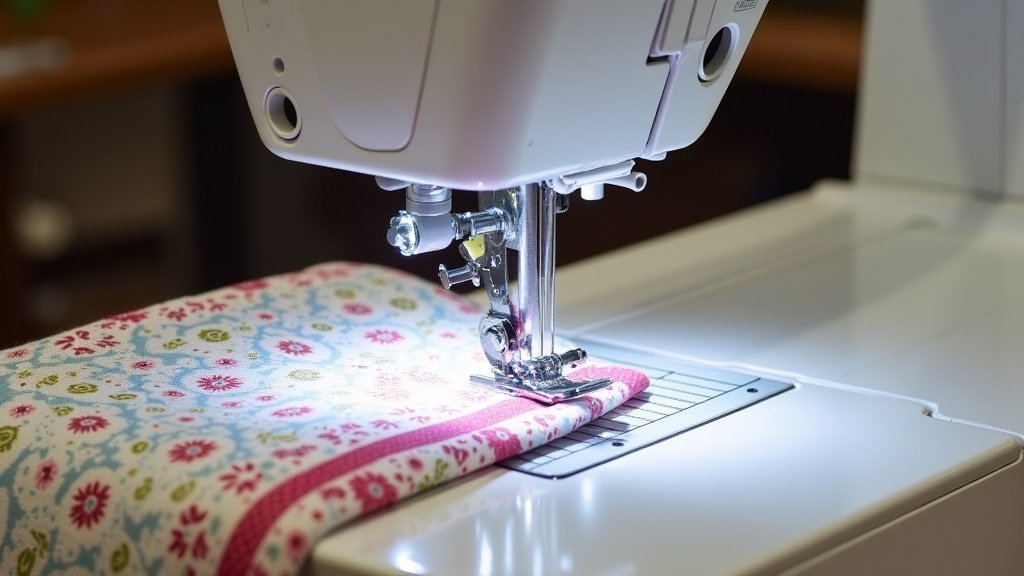
Conclusion
So, can you use a longarm frame with your regular sewing machine? Absolutely! We’ve seen that with the right adjustments and accessories, your domestic machine can tackle frame quilting. It’s a smart, budget-friendly path into larger projects. You just need to understand the limitations and be ready for a bit of a learning curve.
This setup gives you the freedom of a longarm without the hefty investment. You’ll gain new skills and expand your creative quilting possibilities. Take the plunge and start exploring the conversion kits available for your machine. Your next beautiful quilt awaits!
Frequently Asked Questions
Is it difficult to install my regular sewing machine onto a longarm frame?
While it requires some setup, installing your domestic machine isn’t overly difficult. Most longarm frame manufacturers offer conversion kits designed to make the process straightforward. You’ll typically secure your machine to a carriage with special plates and handles.
Will using my domestic machine on a frame void its warranty?
It’s always a good idea to check your specific machine’s warranty information. Using conversion kits or making modifications might affect the warranty. However, many quilters do this without issues, especially if the changes are non-permanent.
What’s the most important accessory for adapting a domestic machine?
We found that a good conversion kit with a flatbed insert and handles is essential. This kit provides the necessary stability and control. It makes your free-arm machine suitable for gliding across the frame.
Can I still do free-motion quilting on my domestic machine once it’s on a frame?
Yes, you’ll still be doing free-motion quilting, but your approach changes. Instead of moving the fabric under the needle, you move the entire machine over the stationary quilt. This takes practice to master the coordinated movement.
How much space do I really need for a longarm frame with a domestic machine?
Longarm frames, even those for domestic machines, require significant space. Plan for a room that can accommodate the frame’s length (often 8-12 feet) plus walking room around all sides. You need enough space to comfortably operate your machine.
