
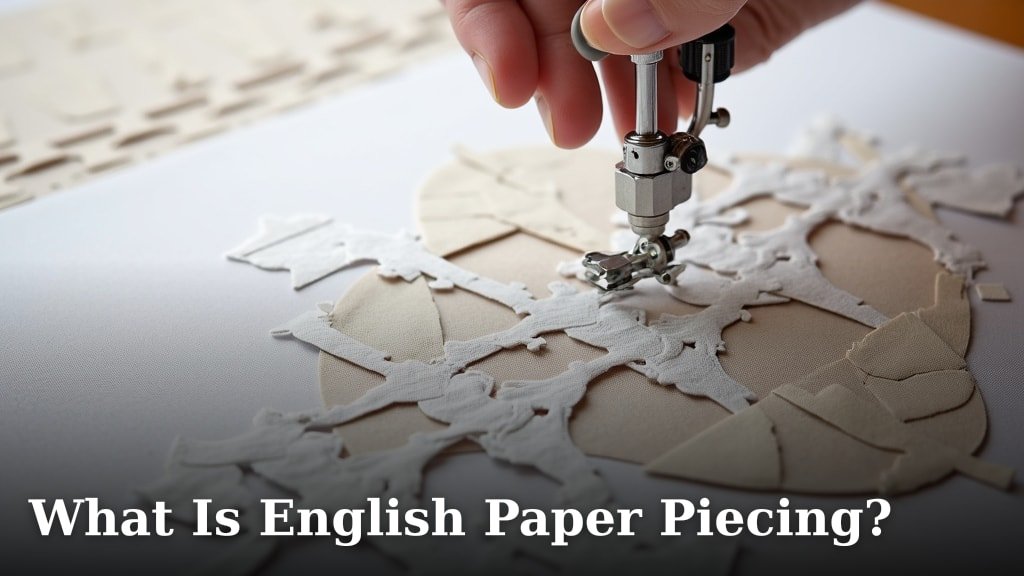
English Paper Piecing is a traditional sewing method where you wrap fabric around paper templates and baste it in place. You then stitch these fabric-covered shapes together by hand to create intricate designs. It’s a portable and precise way to quilt.
This technique is popular for creating beautiful, complex quilt blocks that are hard to achieve with machine sewing. We found that it allows for very accurate points and seams, which many quilters love. It’s perfect for projects you can take anywhere.
- What English Paper Piecing is
- Why quilters love this method
- The basic steps involved
- Benefits of hand sewing with templates
Ready to learn more about this charming sewing technique? Let’s walk through exactly how this works, step by step.
Understanding English Paper Piecing
English Paper Piecing (EPP) is a beloved hand-sewing technique that lets you create stunning fabric designs with incredible accuracy. It’s all about using paper templates to give your fabric perfect shapes before you sew.
You might wonder, why use paper? Well, the paper acts as a stabilizer. It prevents your fabric from stretching or distorting while you’re working. This means your finished pieces fit together flawlessly.
The Origins of EPP
Where did this clever method come from? We found that English Paper Piecing has a long and rich history. Many historians trace its roots back to the 1700s.
It began as a practical way to use up small scraps of fabric. Quilters would carefully cut paper shapes and then wrap their precious fabric remnants around them. This ensured no fabric went to waste, a common practice in those times.
Why It’s Called “English”
The “English” part of its name often sparks curiosity. Research suggests this method gained significant popularity and refinement in England. It became a hallmark of English quilting traditions.
The technique then spread across the globe. Today, it’s cherished by quilters everywhere for its precision and portable nature. It’s truly a timeless craft.
Your Essential EPP Toolkit
Getting started with English Paper Piecing is surprisingly simple. You don’t need a huge array of specialized tools. In fact, you probably have many items already.
However, having the right supplies makes the process much smoother and more enjoyable. Let’s look at what you’ll need to gather before you begin your EPP adventure.
Key Materials You’ll Need
Your main materials are fabric, paper templates, and thread. These three are the absolute foundation of any EPP project.
- Fabric: Choose your favorite cotton prints or solids. Small-scale prints often work best for intricate designs.
- Paper Templates: These are the heart of EPP. They can be pre-cut or you can cut them yourself from cardstock.
- Thread: A strong, fine thread in a neutral color is ideal. We found that polyester threads hold up very well.
Helpful Tools for Success
Beyond the basics, a few extra tools will make your EPP experience even better. Think of these as your helpful assistants in precision.
You’ll definitely want a good pair of sharp scissors. Small, pointed ones are perfect for fussy cutting. A thimble can save your finger from needle pokes, which is always a plus!
| Tool Category | Item Description | Why You Need It |
|---|---|---|
| Cutting | Small, sharp scissors | Precise fabric cuts, especially for fussy cutting. |
| Adhering | Glue stick (washable) or pins | Securing fabric to paper templates temporarily. |
| Sewing | Hand sewing needles | Sharp, fine needles for small, even stitches. |
| Pressing | Iron and pressing mat | Flattening seams for a crisp finish. |
| Measuring | Small ruler or tape measure | Checking template size and seam allowance. |
The Step-by-Step EPP Process
So, how do you actually do English Paper Piecing? It’s a series of simple steps, repeated many times. This repetitive nature makes it quite meditative.
Once you understand the basic flow, you can tackle almost any EPP design. Let’s break down the journey from a flat piece of fabric to a beautiful quilt block.
Prepping Your Fabric and Templates
Preparation is key in EPP. Taking your time here will save you headaches later. We’ve seen that rushing this step often leads to frustration.
First, cut your fabric. You’ll want pieces that are about 1/4 to 3/8 inch larger than your paper templates on all sides. This extra fabric becomes your seam allowance.
Attaching Fabric to Paper
Now, place a paper template onto the wrong side of your fabric piece. Center it as best you can. This is where you have a choice: glue basting or pin basting.
With glue basting, you apply a tiny dab of washable glue stick to the fabric edges. Then, fold the fabric allowance over the paper, pressing it down. For pin basting, simply use small pins to hold the fabric in place around the template. Many quilters prefer glue for speed and convenience (Nancy’s Notions).
Sewing Your Shapes Together
Once your fabric pieces are basted to their paper templates, it’s time to sew! This is the most rewarding part, seeing your design come to life stitch by stitch.
You’ll take two fabric-covered shapes and place them right sides together. Align the edges you want to sew. Make sure your paper templates are perfectly aligned underneath.
The “Whip Stitch” Technique
Most EPP is sewn with a simple whip stitch. You’ll bring your needle up through one fabric edge, then across to the other, making a tiny stitch. Don’t go through the paper!
Keep your stitches small and even. We found that about 10-12 stitches per inch works well. This creates a strong, invisible seam. Continue stitching until you reach the end of the edge.
Removing the Paper and Finishing
After you’ve sewn several shapes together to form a larger unit, you’ll need to remove the paper templates. This is an important step for a flat and flexible finished piece.
Gently unbaste the fabric from the paper. If you used glue, it will peel right off. If you used pins, remove them carefully. Save those templates if they are still in good condition!
Pressing for a Professional Finish
Once the papers are out, take your block to the ironing board. Press your seams open or to one side, whichever you prefer. We recommend pressing them open for less bulk.
A good press makes a huge difference in how your EPP looks. It flattens everything and gives your finished work a professional, polished appearance. You’ll be amazed at the transformation!
Why Quilters Love EPP
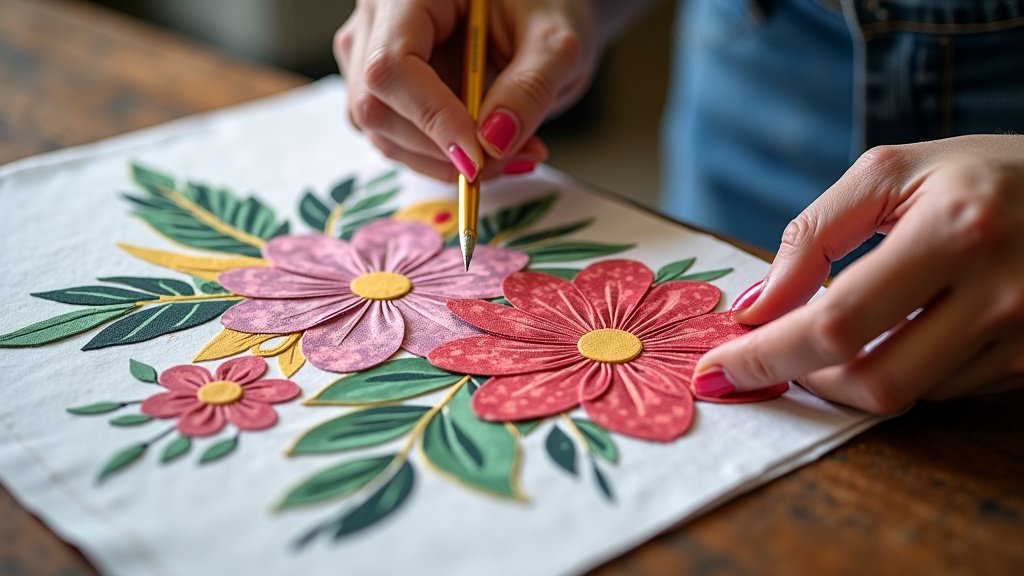
English Paper Piecing holds a special place in many quilters’ hearts. It offers unique advantages that machine piecing simply can’t match. It’s more than just a technique; it’s an experience.
Many quilters describe it as a calming and almost meditative process. The rhythm of hand sewing can be very relaxing after a long day.
Precision and Accuracy
One of the biggest draws of EPP is the incredible precision it allows. The paper templates ensure every single fabric shape is perfectly sized and proportioned.
This means your points will meet perfectly, and your seams will align beautifully. Achieving this level of accuracy with a sewing machine can be quite challenging, especially with complex angles (Craftsy).
Portability and Flexibility
EPP is often called a “take-along” project, and for good reason! All you need is your fabric pieces, templates, needle, and thread. It fits easily into a small bag.
This means you can sew practically anywhere: on vacation, in the car (as a passenger!), at a friend’s house, or even just relaxing on your couch. It’s the ultimate go-anywhere craft.
Here’s a quick checklist of EPP advantages:
- Achieve perfect points and precise seams.
- Enjoy a relaxing, portable hand-sewing experience.
- Make complex designs like hexagons and diamonds with ease.
- Use up small fabric scraps efficiently.
- Create unique, heirloom-quality textile art.
Creative Freedom and Scrappy Possibilities
EPP truly opens up a world of creative possibilities. Because you’re working with small shapes, it’s perfect for “fussy cutting.” This means carefully positioning your template to capture specific motifs from your fabric.
It’s also an excellent way to use up your fabric scraps. Those tiny leftover bits that seem too small for anything else? They can become beautiful components in your EPP project. Imagine turning those precious little pieces into a stunning hexagon quilt!
Conclusion
You’ve seen how English Paper Piecing transforms fabric scraps into beautiful, precise designs. It’s a wonderful hand-sewing method offering both accuracy and portability. From its historical roots to your modern crafting table, EPP provides a relaxing escape and stunning results. It allows you to create intricate patterns that are challenging with a machine.
Now that you understand the basic steps and essential tools, it’s time to try it yourself. Gather your supplies and start with a simple hexagon. You’ll soon discover the joy and satisfaction of this timeless technique!
Frequently Asked Questions
What’s the best fabric to use for English Paper Piecing?
Light to medium weight cotton fabrics are ideal for EPP. They are easy to fold and stitch. Avoid very thick or stretchy fabrics, as they can be difficult to work with and may distort your shapes.
Do I have to remove the paper templates after sewing?
Yes, you should remove the paper templates once the surrounding shapes are sewn together. The paper provides structure during construction. Leaving them in can make your quilt stiff and bulky over time, and they can also eventually degrade.
Can I machine wash an English Paper Piecing project?
Most EPP projects, especially quilts, can be machine washed on a gentle cycle with cold water. It’s best to use a mild detergent. Lay flat or tumble dry on low to prevent distortion and prolong the life of your handmade item.
How do I choose the right needle for EPP?
A fine, sharp hand-sewing needle, like an appliqué or “sharps” needle, works best. The small size helps you make tiny, even stitches. A needle size between 9 and 12 is usually a good starting point for most quilters.
Is English Paper Piecing only for hexagons?
Absolutely not! While hexagons are very popular, EPP can be used for many shapes. Diamonds, triangles, squares, and even curved shapes are common. Any shape you can cut a paper template for can be used in English Paper Piecing.
