
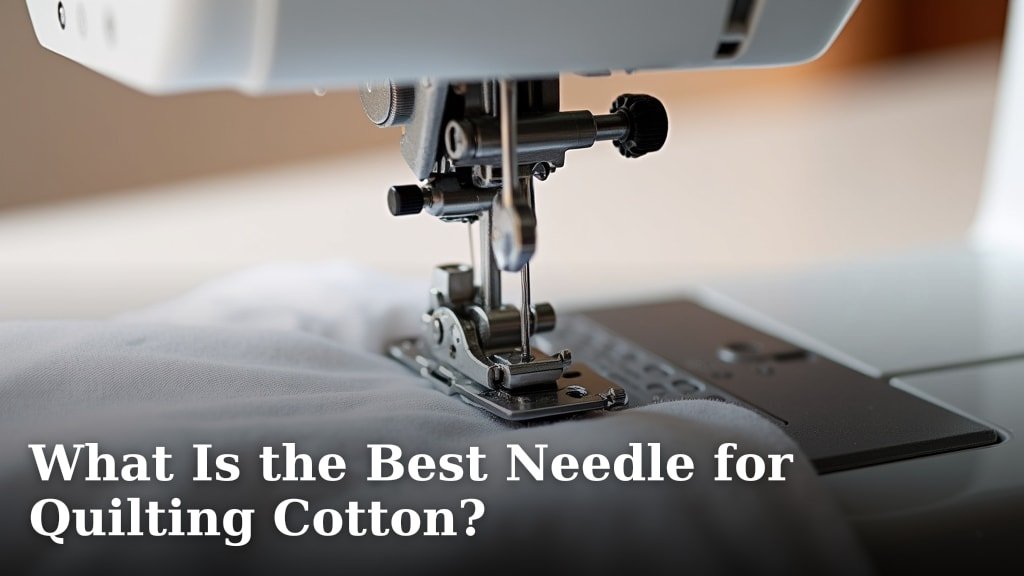
For quilting cotton, the best needle choice is typically a Universal or Microtex needle, sized 70/10 or 80/12. These needles are sharp enough to pierce the fabric cleanly without snagging threads, giving you smooth, even stitches every time. Selecting the right needle is key to happy quilting.
Choosing the correct needle prevents many common quilting frustrations, like skipped stitches or fabric damage. We found that a fresh, sharp needle makes a big difference in your sewing experience. It helps your machine glide through layers of fabric with ease, whether you are piecing or quilting.
- Universal or Microtex needles are best for quilting cotton.
- Use needle sizes 70/10 or 80/12.
- A new needle prevents skipped stitches and fabric damage.
- The right needle ensures smooth and even stitches.
- It helps your machine sew through layers easily.
Ready to discover why these needle types are so effective for your quilting projects? Let’s walk through everything you need to know about picking the perfect needle for quilting cotton.
Optimal Needle Selection for Quilting Cotton
For your quilting projects using cotton fabric, a Universal or Microtex needle in sizes 70/10 or 80/12 is often your best bet. These options provide the ideal balance of sharpness and durability.
Understanding Needle Anatomy for Better Quilting
Before we dive into specific types, let’s quickly review what makes a sewing machine needle tick. Knowing these parts helps you understand why one needle is better than another.
Every needle has a few key features. There’s the shank, which fits into your machine. The shaft is the main body, and then the groove guides the thread. The scarf creates space for the bobbin hook. Finally, the point and eye are where all the magic happens.
The shape of the needle’s point is especially important for quilting cotton. It determines how cleanly it pierces the fabric layers. The eye size also affects how smoothly your thread runs.
The Role of Needle Size
Needle size refers to its diameter. It’s usually given in two numbers, like 70/10 or 80/12. The first number is the European metric size (in hundredths of a millimeter), and the second is the American size.
A smaller number means a finer needle. For quilting cotton, you want a needle that’s not too thick. This prevents large holes in your fabric. However, it shouldn’t be too thin either, or it might bend or break.
We found that 70/10 is a great choice for finer cottons or piecing. An 80/12 works well for general quilting or when you’re sewing through a few layers. It’s about finding that sweet spot for your fabric.
Universal Needles: Your Go-To All-Rounder
Universal needles are often the first choice for many quilters. They live up to their name by being quite versatile. Think of them as the Swiss Army knife of sewing machine needles.
These needles have a slightly rounded point. This design allows them to glide through woven fabrics like cotton without causing damage. They can push fabric fibers aside instead of cutting them.
We’ve found that a Universal needle is a reliable option for piecing quilt blocks. It works well with many types of cotton. If you’re unsure where to start, a Universal needle is a safe bet.
When to Use a Universal Needle for Quilting Cotton
A Universal needle is perfect for everyday quilting tasks. If you’re working with standard quilting cotton and aren’t experiencing any issues, stick with your Universal.
Many quilters keep a stash of Universal needles on hand. They are excellent for projects where you’re joining cotton pieces. They offer good stitch quality and reduce skipped stitches.
However, if your fabric is dense or you’re layering many pieces, you might need something sharper. That’s where our next needle type comes in handy.
Microtex Needles: The Sharp Shooter for Precision
Microtex needles, sometimes called Sharp needles, are known for their very fine, acute point. They are the precision tools of the needle world. We find them especially useful for quilting cotton.
This extra-sharp point allows the needle to penetrate tightly woven fabrics with minimal resistance. It makes a clean, small hole. This is fantastic for achieving very accurate stitches.
If you’re doing detailed work or want really crisp seams, a Microtex needle can make a huge difference. Many experts suggest them for appliqué or precise piecing (Schmetz Needles).
Advantages of Microtex Needles for Quilting Cotton
The main advantage of a Microtex needle is its ability to create perfectly straight stitches. The sharp point prevents fabric puckering or skipped stitches. It slices through the fabric rather than pushing it.
We found that Microtex needles are superb for projects where neatness is paramount. If you’re struggling with skipped stitches, try switching to a Microtex. You might be surprised by the improvement.
They are also a good choice for fine cottons, batiks, or when you’re sewing curves. The sharp point helps the needle follow your line precisely.
Other Needle Types and Why They Might Not Be Ideal for Quilting Cotton
You’ll encounter many other needle types in your sewing journey. While they have their uses, they might not be the best fit for your quilting cotton projects. Understanding why helps you make smarter choices.
Ballpoint Needles
Ballpoint needles have a rounded tip. They are designed to push fabric fibers apart rather than pierce them. This is wonderful for knits and stretchy fabrics. However, for quilting cotton, a ballpoint can push threads out of place, leading to pulled threads or skipped stitches. We recommend avoiding them for most cotton quilting.
Quilting Needles
Yes, there are needles specifically labeled “Quilting Needles.” They often have a tapered point designed to pass through multiple layers of fabric and batting. While they sound perfect, many quilters (including us) often find Universal or Microtex needles more effective for the initial piecing stages with cotton. They can be good for actual machine quilting, though.
Embroidery Needles
Embroidery needles typically have a larger eye to accommodate specialty threads. They also have a slightly rounded point. While great for embroidery, their main purpose isn’t clean fabric penetration. For standard cotton quilting, they might not give you the crisp stitches you desire.
When to Change Your Needle: A Vital Habit
Even the best needle won’t perform well forever. Knowing when to change your needle is as important as choosing the right one. A dull or bent needle can cause endless frustration.
We often hear quilters say, “My machine is acting up!” The first question we ask is, “When did you last change your needle?” More often than not, a fresh needle solves the problem.
A dull needle can cause a host of issues: skipped stitches, shredded thread, fabric snags, or even a thumping sound from your machine. Don’t let a tiny, inexpensive tool ruin your quilting experience.
Signs It’s Time for a New Needle
- Your machine is skipping stitches.
- You hear a “thump-thump” sound as the needle pierces the fabric.
- Your fabric is getting pulled or snagged.
- Your thread is shredding or breaking.
- You’ve completed a few projects (about 8-10 hours of sewing).
- The needle looks bent or burred (run your finger over the tip carefully).
Needle Care and Storage Tips
Proper needle care extends its life and keeps your sewing smooth. While needles are consumable, treating them right helps. Always store them safely when not in use.
Keep your needles in their original packaging whenever possible. This helps you remember the size and type. Many quilters use a small pincushion or a magnetic dish for in-progress needles.
Avoid leaving needles in your machine for extended periods. This can cause them to dull faster. A fresh needle at the start of a new project is always a good idea.
Troubleshooting Common Needle-Related Issues
Even with the right needle, you might hit a snag (literally!). Here’s a quick guide to some common problems and how to fix them.
Skipped Stitches
This is a classic sign of a dull or incorrect needle. First, change your needle to a new Universal or Microtex (70/10 or 80/12). Also, check your threading. An incorrectly threaded machine can mimic needle issues.
Fabric Puckering or Ripping
If your fabric is puckering, your needle might be too large for the fabric. Try a smaller size (e.g., from 80/12 down to 70/10). If it’s ripping, the needle might be dull or the wrong type (like a ballpoint on woven cotton).
Thread Breakage or Shredding
Often, this points to a burr on the needle eye or shaft. Replace the needle. Also, check your thread path for any rough spots. Sometimes, poor quality thread can also contribute.
Here’s a handy table to help you choose:
| Needle Type | Ideal For Quilting Cotton | Point Type | Best Use Cases |
|---|---|---|---|
| Universal | Yes, excellent general choice | Slightly rounded | Everyday piecing, general sewing |
| Microtex (Sharp) | Yes, for precision | Very sharp, acute | Fine cottons, batiks, detailed piecing, appliqué |
| Ballpoint | No, can snag | Rounded | Knits, stretchy fabrics (avoid for cotton) |
| Quilting | Sometimes, for actual quilting | Tapered | Machine quilting through layers (can use Universal/Microtex for piecing) |
Your Needle Checklist for Success
To keep your quilting smooth and enjoyable, run through this quick checklist before you start sewing. It’s a simple way to prevent common headaches.
- Have you selected a Universal or Microtex needle?
- Is the needle size appropriate (70/10 or 80/12)?
- Is the needle brand new or freshly changed?
- Is the needle inserted correctly and securely in your machine?
- Are you using good quality thread that matches your fabric?
- Did you do a test stitch on a scrap of your fabric first?
Following these steps will set you up for success. Remember, a happy needle makes for happy stitches, and happy stitches make for a beautiful quilt!
Conclusion
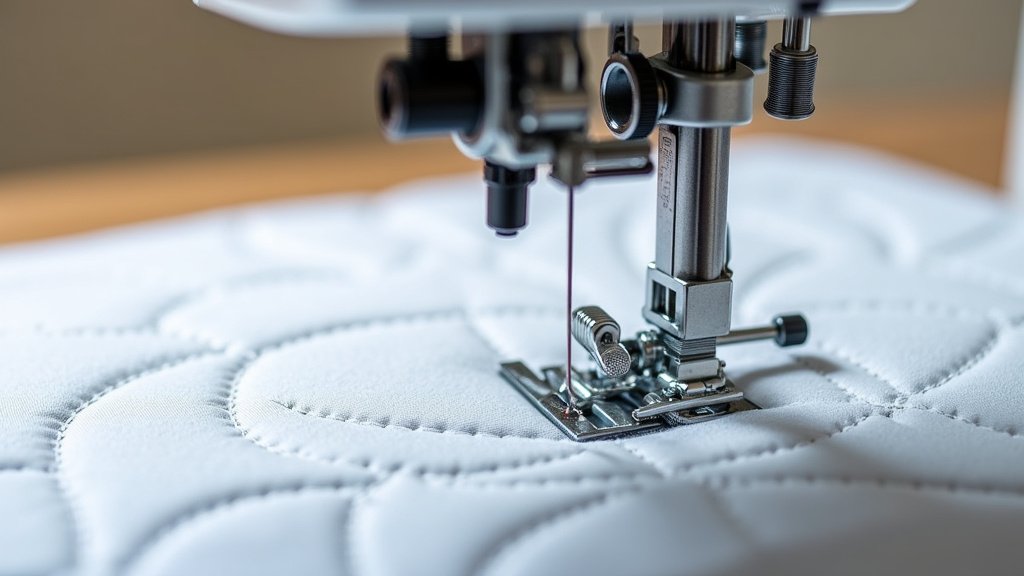
Choosing the right needle for your quilting cotton projects doesn’t have to be complicated. By sticking with a Universal or Microtex needle in sizes 70/10 or 80/12, you’re setting yourself up for success. Remember, a fresh, sharp needle is your best friend in the sewing room.
We’ve walked through why these needles are ideal and how to troubleshoot common issues. Your goal is smooth stitches and happy quilting. So, take this knowledge, choose your best needle, and watch your quilting projects shine.
Now, go change that needle and enjoy the difference it makes in your next beautiful quilt!
Frequently Asked Questions
How often should I change my sewing machine needle when quilting?
You should change your needle after about 8-10 hours of sewing time, or at the start of each new project. Even if it looks fine, needles dull with use. A fresh needle prevents many common quilting frustrations.
Can I use a Universal needle for all my quilting cotton projects?
Yes, a Universal needle is a fantastic all-rounder for most quilting cotton projects, especially for piecing. However, if you’re working with very fine cottons or need extra precision, a Microtex (Sharp) needle might give you slightly better results.
What happens if I use a needle that’s too big for quilting cotton?
Using a needle that’s too large can create noticeable holes in your quilting cotton. It can also cause fabric damage or puckering. This compromises the integrity and appearance of your finished quilt blocks.
Why are Microtex needles sometimes called “Sharp” needles?
Microtex needles are often called “Sharp” needles because they feature a very fine, acute point. This sharp tip allows them to precisely penetrate densely woven fabrics like cotton. It creates clean holes without snagging threads.
Should I use a special needle for machine quilting through layers of batting and backing?
For machine quilting through multiple layers, some quilters prefer a specific “Quilting” needle with a tapered point. However, many find that a new Universal or Microtex needle (size 80/12 or 90/14 for extra thickness) also works very well. Experiment to see what you prefer for your machine and materials.
