
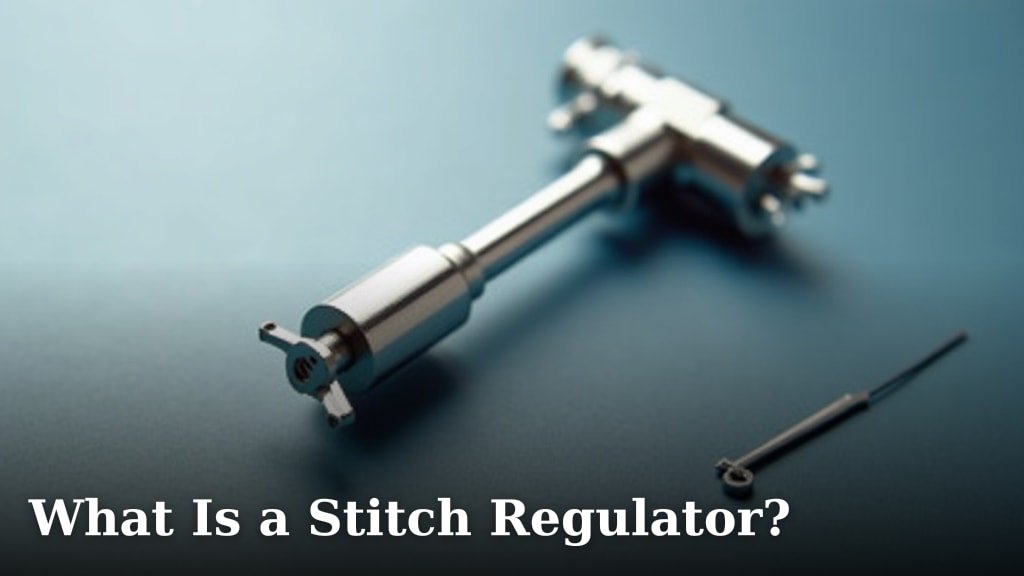
A stitch regulator is a clever device on your sewing machine that helps keep your stitches even. It works by monitoring the fabric movement and adjusting the needle speed. This means you get beautifully consistent stitches, even when you change your sewing speed.
You know how tricky it can be to get every stitch just right? A stitch regulator takes away that frustration. It’s especially helpful for free-motion quilting or when sewing tricky curves. Many sewers find it a game-changer for quality results.
- A stitch regulator ensures even stitches.
- It monitors fabric movement and adjusts needle speed.
- Especially useful for free-motion quilting.
- Helps you achieve professional-looking results.
- Takes away the stress of uneven stitching.
Ready to see how this handy sewing companion works its magic? We’ll walk you through everything you need to know about what a stitch regulator is and why you might want one.
Understanding the Stitch Regulator’s Function
So, what exactly is a stitch regulator, and how does it make your sewing life easier? At its heart, a stitch regulator is a clever piece of technology that helps you maintain consistent stitch length, no matter how fast or slow you move your fabric. Think of it as an invisible helping hand.
You see, without a regulator, your stitch length depends entirely on how smoothly and consistently you move your fabric under the needle. If you speed up, your stitches get longer. If you slow down, they get shorter. This can make your projects look a bit uneven, right?
A stitch regulator solves this problem. It works by monitoring the movement of your fabric. Then, it tells your sewing machine to adjust the needle’s speed accordingly. This means that for every inch your fabric moves, the needle makes the same number of stitches. Pretty neat, huh?
How Does This Sewing Magic Happen?
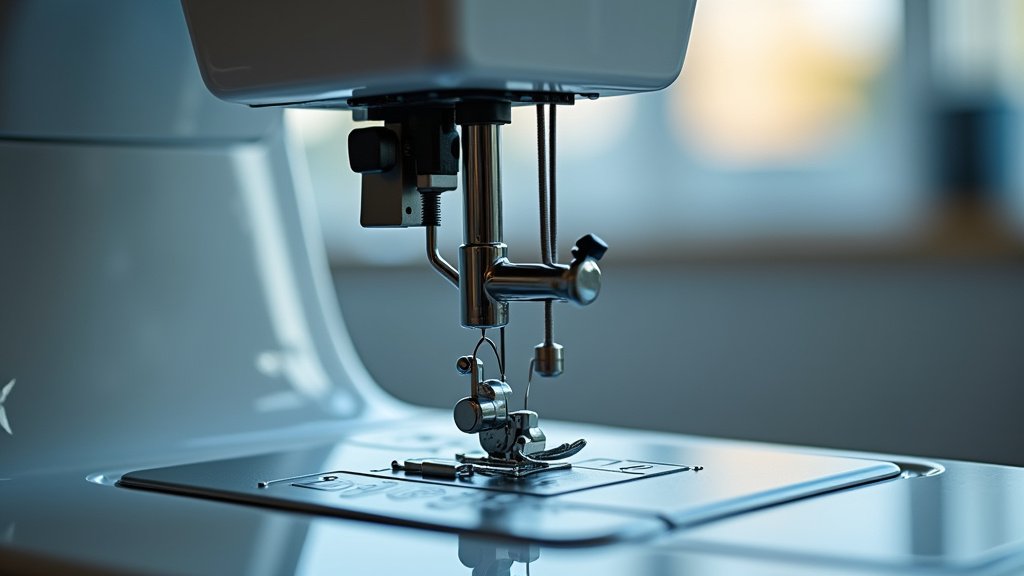
It might seem like magic, but it’s really just smart engineering. Most stitch regulators use a sensor. This sensor is often located near the needle or the feed dogs.
When you start to sew, the sensor detects how quickly your fabric is passing underneath. It sends this information to the machine’s computer. The computer then calculates the perfect needle speed to keep your stitches even. It’s a constant feedback loop.
Some regulators use optical sensors that “see” the fabric moving. Others might use mechanical sensors that feel the fabric’s speed. Either way, the goal is the same: perfectly uniform stitches.
Types of Stitch Regulators You Might Encounter
Not all stitch regulators are created equal, though they all aim for the same result. You’ll find them in a few different forms.
- Built-in Regulators: Many modern, higher-end sewing and quilting machines come with this feature already integrated. You just turn it on!
- Add-on Regulators: For some machines, especially older models or those designed for free-motion quilting, you can purchase an external regulator. These often attach to your machine’s base.
- Hoop-style Regulators: These are common for longarm quilting machines. The entire quilting frame moves, and the regulator senses this movement.
Each type does the job, but their installation and use might differ slightly. Always check your machine’s manual for specific instructions.
Why You Might Want a Stitch Regulator
Is a stitch regulator a must-have for every sewer? Not necessarily, but it can certainly make a big difference for certain projects and skill levels. Many sewers who try one find it hard to go back.
The main reason you’d want one is for stitch consistency. If you’ve ever struggled with wavy lines or uneven quilting stitches, this device is your friend. It takes away much of the manual effort and concentration needed to keep things even.
Imagine quilting a large project. Your arms get tired, your speed naturally varies. Without a regulator, your stitches will vary too. With one, your stitches stay uniform, giving your project a much more professional and polished look. It’s about reducing frustration and improving quality.
The Benefits for Free-Motion Quilting
This is where stitch regulators really shine. Free-motion quilting requires you to move the fabric freely in any direction. You’re drawing with your needle, essentially. Maintaining consistent stitch length while doing this is incredibly challenging.
A stitch regulator changes the game. It allows you to focus on the design and movement of your fabric, rather than constantly trying to match your speed to the needle. This means smoother curves, sharper points, and more confident quilting.
We found that many longarm quilters consider a stitch regulator almost essential (Quilting Magazine). It significantly reduces the learning curve for beginners and allows experienced quilters to achieve complex designs with greater ease.
Think about it: you can create intricate feathers or stippling patterns without worrying that half your stitches are tiny and the other half are huge. It frees up your mental energy to be more creative!
Beyond Quilting: Other Uses
While often associated with quilting, a stitch regulator isn’t just for quilters. It can be beneficial for other types of sewing too:
- Garment Sewing: Ever struggled with a smooth, even topstitch on a collar or cuff? A regulator can help.
- Decorative Stitching: When you want perfectly even decorative stitches that follow a curved line, it’s a great tool.
- Appliqué: Achieving consistent tiny stitches around appliqué pieces can be tricky. A regulator makes it easier.
- Beginners: If you’re new to sewing and find stitch consistency challenging, this can be a wonderful aid to build confidence.
Basically, any time you need very consistent, even stitches, especially on curves or when moving the fabric yourself, a stitch regulator can be a huge asset.
Are There Any Downsides?
Like any tool, stitch regulators have their pros and cons. While they offer many advantages, it’s good to be aware of potential drawbacks before you commit.
One common concern is the cost. Machines with built-in regulators tend to be more expensive. Add-on units can also be a significant investment. You’ll need to weigh the benefits against your budget.
Another point to consider is that some sewers feel it can make them a bit “lazy.” They might not develop the same level of manual control over their fabric movement as someone who always sews without one. It’s a tool to assist, not to replace your skill.
Potential Learning Curve and Maintenance
While designed to simplify, there can be a slight learning curve to using a stitch regulator effectively. You might need to adjust your fabric movement style to work best with the sensor. It’s not a “set it and forget it” device entirely.
Some users report that sensors can sometimes get dirty or obstructed, leading to less accurate readings. Regular cleaning and maintenance, as recommended by the manufacturer, are important. This is true for any sewing machine component, though.
Also, it’s worth noting that a regulator can’t fix poor technique completely. If your fabric is dragging or bunching due to other issues, the regulator won’t magically make your stitches perfect. It helps with speed consistency, not fabric handling problems.
Here’s a quick look at the main points:
| Aspect | With Stitch Regulator | Without Stitch Regulator |
|---|---|---|
| Stitch Consistency | Excellent, very even | Varies with fabric movement |
| Learning Curve (Free-Motion) | Reduced, easier to learn | Steeper, requires more practice |
| Project Appearance | More polished, professional | Can look homemade if not careful |
| Cost | Higher (for machine or add-on) | Lower (no extra cost) |
| Focus During Sewing | On design/fabric movement | On both design and speed control |
Making the Decision: Is It Right for You?
So, should you get a sewing machine with a stitch regulator, or consider an add-on? The decision really depends on your sewing goals, budget, and current skill level. There’s no single right answer for everyone.
If you’re serious about quilting, especially free-motion quilting, many experienced sewers say it’s an investment worth making. It can truly elevate the quality of your work and make the process more enjoyable.
However, if you mainly do basic garment construction or occasional simple projects, you might not feel the need. You can achieve beautiful results without one, but it requires more practice and a very steady hand.
Things to Consider Before Buying
Before you jump in, ask yourself a few questions. This can help guide your decision:
- Do you often struggle with uneven stitches, especially on curves?
- Are you passionate about free-motion quilting or want to try it?
- Is your current machine suitable for an add-on regulator, if you don’t have one built-in?
- What’s your budget for a new machine or accessory?
- How much do you value having consistent, professional-looking stitches?
- Are you willing to learn a slightly new way of sewing to maximize its benefits?
By thinking through these points, you can decide if a stitch regulator aligns with your sewing journey. Many users report a significant improvement in their sewing confidence and final product quality once they start using one. It can transform a challenging task into a truly pleasurable experience (Sewing Enthusiast Forum).
Conclusion
You’ve now explored the ins and outs of a stitch regulator. It’s a tool designed to bring consistency and professionalism to your sewing projects. Whether you’re a passionate quilter or simply crave perfectly even seams, it can transform your experience. While there are costs and a slight learning curve, the benefits of reduced frustration and improved quality are undeniable. Consider your sewing habits and goals carefully. By doing so, you can decide if this smart sewing assistant is the right investment to elevate your craft.
Frequently Asked Questions
Can I add a stitch regulator to any sewing machine?
No, unfortunately, you can’t add a stitch regulator to every sewing machine. Many modern machines have them built-in. For others, you might find an external add-on regulator compatible with specific models. Always check your machine’s manufacturer for compatibility.
Does a stitch regulator replace the need for practice?
A stitch regulator is a fantastic assistant, but it doesn’t completely replace the need for practice. It helps maintain stitch consistency by adjusting needle speed. However, you still need to practice guiding your fabric smoothly and developing good overall sewing technique. It makes the process easier, not automatic.
Are stitch regulators only for free-motion quilting?
While stitch regulators are especially popular and beneficial for free-motion quilting, they are not exclusively for it. They can also improve consistency for garment sewing, decorative stitches, appliqué, and any project where maintaining even stitch length is important. It’s a versatile tool for many sewing tasks.
How do I know if my sewing machine has a built-in stitch regulator?
The best way to tell if your sewing machine has a built-in stitch regulator is to check your machine’s manual. Look for terms like “stitch regulator,” “BSR” (Bernina Stitch Regulator), or features related to consistent stitch length during free-motion work. Some machines will have a dedicated button or setting for it.
Can a stitch regulator fix tension problems?
No, a stitch regulator cannot fix tension problems. Its primary function is to maintain consistent stitch length by adjusting needle speed relative to fabric movement. Tension issues, such as loops on the top or bottom of your fabric, are separate and require adjusting your machine’s tension settings, needle, or thread.
