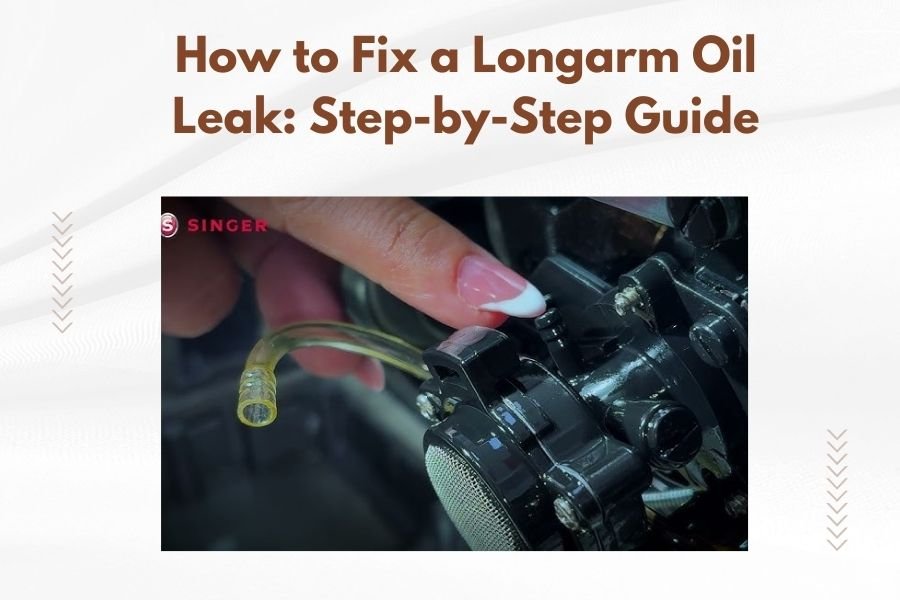
A longarm oil leak typically occurs when seals wear out, connections loosen, or oil reservoirs get overfilled, causing drops to appear on your fabric or floor.
To fix a longarm oil leak, first locate the source by checking seals, connections, and oil levels, then replace worn parts, tighten loose fittings, or clean excess oil as needed.
Nobody wants to see oil spots on their beautiful quilt. When your longarm machine starts leaking, it feels like a disaster waiting to happen.
But here’s the good news: most oil leaks are fixable problems. You don’t need to panic or call a repair technician right away.
I’ve researched the most common causes and solutions. Let me walk you through everything you need to know.
Why Longarm Machines Leak Oil
Your longarm machine uses oil to keep all those moving parts running smoothly. Sometimes that oil ends up where it shouldn’t be.
Think of it like your car. Oil goes in specific places. When seals get old or parts come loose, oil finds new paths.
Common Leak Sources
From what I found online, these spots cause most problems:
- Worn rubber seals around the head
- Loose oil reservoir connections
- Overfilled oil chambers
- Damaged oil lines or fittings
- Cracked oil cups or reservoirs
Finding the Leak Source
You can’t fix what you can’t find. Start by playing detective.
Visual Inspection Method
Turn on your machine and let it run for a few minutes. Watch for fresh oil drops.
Look under the head first. That’s where most leaks happen. Check around the needle bar area too.
What to Look For
- Fresh oil drops on the table
- Oil streaks on machine parts
- Wet spots around connections
- Oil buildup in corners or crevices
The Paper Test
Place white paper towels under different sections of your machine. Run it for 10 minutes.
The paper will show you exactly where oil is dripping. This trick works better than just looking.
Step-by-Step Repair Process
Now comes the fun part. Let’s fix this thing.
Step 1: Safety First
Turn off your machine. Unplug it completely. You don’t want any surprises while working.
Get good lighting. You’ll need to see small parts clearly.
Step 2: Check Oil Levels
Many leaks happen because someone overfilled the oil reservoir. It’s like filling a glass too full.
Look at your oil sight glass or dipstick. Is the oil above the “full” line?
If Overfilled
Use a small syringe or turkey baster to remove excess oil. Bring it down to the proper level.
Clean any spilled oil with a lint-free cloth. Problem might be solved already.
Step 3: Inspect Seals and Gaskets
Rubber seals don’t last forever. They get hard, crack, or shrink over time.
Check around the needle bar housing. Look for cracked or missing rubber rings.
Signs of Bad Seals
- Visible cracks in rubber
- Hard, brittle texture
- Oil residue around seal edges
- Missing pieces
Step 4: Tighten Loose Connections
Vibration loosens things over time. It’s normal wear and tear.
Check all visible oil line connections. Use appropriate wrenches to snug them up.
Don’t overtighten. Hand-tight plus a quarter turn is usually enough.
Replacing Common Parts
Sometimes you need new parts. Don’t worry – most are easy to swap.
Seal Replacement
Take a photo before removing anything. You’ll thank yourself later.
Remove the old seal carefully. Note which way it was facing.
Clean the groove completely. Old oil and debris prevent good sealing.
Installing New Seals
Coat the new seal lightly with machine oil. This helps it slide into place.
Press it in evenly. Don’t stretch or twist it.
Oil Line Repairs
Cracked oil lines need replacement. They’re usually inexpensive parts.
Measure the old line before ordering. Inside diameter matters most.
When installing, avoid sharp bends. Oil flows better through gentle curves.
Prevention Tips
Fixing leaks is good. Preventing them is better.
Regular Maintenance Schedule
Check oil levels monthly. It takes 30 seconds and saves headaches later.
Clean around oil reservoirs when you service your machine. Dirt causes problems.
What to Watch For
- Oil level changes between uses
- Unusual drips or spots
- Changes in machine sounds
- Stiff or jerky movements
Use the Right Oil
Your manual specifies oil type for a reason. Wrong oil can damage seals.
I found that many experts recommend sticking with manufacturer specifications. It costs more but prevents problems.
When to Call for Help
Some repairs are beyond DIY comfort zones. That’s okay.
Complex Issues
If oil leaks from inside the machine head, you might need professional help.
Internal bearing seals require special tools and experience. Don’t risk making it worse.
Red Flags
- Multiple leak sources
- Oil mixed with metal particles
- Leaks that return after repair
- Unusual machine noises
Cost Breakdown
Here’s what repairs typically cost:
| Repair Type | DIY Cost | Professional Cost |
|---|---|---|
| Simple seal replacement | $5-15 | $75-150 |
| Oil line replacement | $10-25 | $100-200 |
| Multiple seals | $20-50 | $200-400 |
| Internal repairs | Not recommended | $300-800 |
Money-Saving Tips
Buy parts directly from your machine dealer. Generic parts sometimes don’t fit properly.
Learn basic maintenance. It prevents expensive repairs later.
Troubleshooting Persistent Leaks
What if the leak comes back? Don’t give up yet.
Double-Check Your Work
Did the new seal go in straight? Are connections actually tight?
Sometimes we think we fixed something but missed a step.
Common Mistakes
- Installing seals backwards
- Not cleaning surfaces properly
- Using wrong size parts
- Overtightening connections
Hidden Problems
Sometimes the real problem hides behind the obvious one.
A cracked housing might cause repeated seal failures. Look deeper if simple fixes don’t work.
Conclusion
Fixing a longarm oil leak isn’t rocket science. Most problems come from worn seals, loose connections, or overfilled reservoirs.
Start by finding the leak source. Check oil levels first – it’s often that simple. Replace worn seals and tighten loose fittings as needed.
Regular maintenance prevents most leaks. Check your machine monthly and use the right oil type.
Don’t be afraid to tackle basic repairs yourself. You’ll save money and understand your machine better. Just know when to call for professional help with complex internal problems.
Your quilts deserve a leak-free machine. With these steps, you’ll keep that oil where it belongs.
Why does my longarm machine leak oil only when quilting?
Your machine likely has worn seals that leak under the pressure and vibration of active quilting. The movement forces oil past damaged seals that might hold when the machine sits idle.
Can I use automotive oil in my longarm machine?
No, automotive oil can damage your machine’s seals and internal parts. Always use the specific machine oil recommended in your owner’s manual to prevent costly repairs.
How often should I replace the seals on my longarm machine?
Most seals last 3-5 years with regular use, but replace them when you notice cracking, hardening, or persistent leaks. Heavy usage may require more frequent replacement.
What’s the difference between a small drip and a serious oil leak?
A few drops after heavy use is normal, but continuous dripping or puddles indicate a problem needing immediate attention. Multiple leak sources or oil mixed with debris suggest serious issues.
Is it safe to quilt with a small oil leak?
Small leaks can quickly stain your fabric and worsen over time. Stop quilting and fix the leak first to protect your projects and prevent more expensive damage to your machine.