
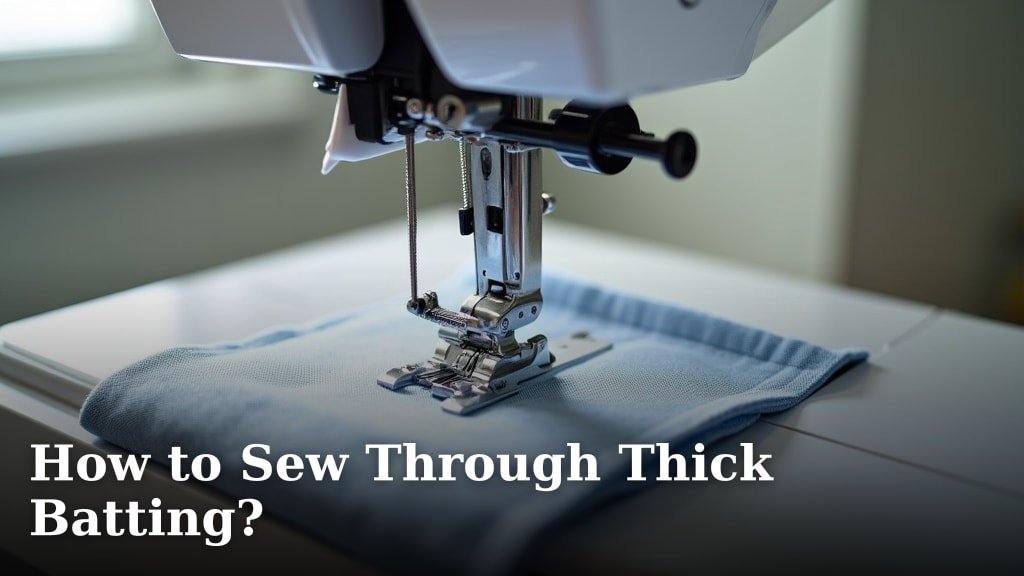
The easiest way to sew through thick batting is to adjust your machine settings and choose the right tools. You will need a strong needle, appropriate thread, and possibly a walking foot. These changes help your machine handle the extra bulk without struggling.
Sewing through multiple layers of fabric and thick batting can feel a bit daunting. Many quilters and crafters face challenges like skipped stitches or broken needles. We’ve found that proper preparation and simple adjustments make all the difference for a smooth experience.
- Adjust your stitch length.
- Use a walking foot.
- Choose a heavy-duty needle.
- Pick strong thread.
- Go slow and steady.
Let’s walk through exactly how you can successfully sew through thick batting, step by step, making your projects easier and more enjoyable.
Mastering Your Machine for Thick Batting
Working with thick batting often means your sewing machine needs a little extra love and attention. Adjusting settings is the first step.
You’re essentially asking your machine to work harder. Optimal settings prevent frustration and produce neater results.
Setting Your Stitch Length for Success
Short stitches can chew up thick fabric. They can also cause skipped stitches or even break your thread.
We found that lengthening your stitch is incredibly helpful. Instead of the standard 2.5mm, try 3.0mm to 3.5mm.
This longer stitch allows the feed dogs to properly grip and move the bulkier layers. It creates a cleaner, more consistent stitch, too (American Quilter’s Society).
Experiment with scraps first. See what length looks best and works smoothly with your chosen material.
Understanding Your Machine’s Features
Not all machines are built the same. Understanding your specific model helps you use it to its full potential.
Do you have adjustable presser foot pressure? This is a game-changer for thick projects. More pressure helps flatten the layers under the needle.
Some machines have extra powerful motors. If yours does, you might find it handles thick batting with less effort. If not, don’t worry, the other tips still apply!
Presser Foot Pressure Explained
The presser foot holds your fabric down as the needle goes in and out. For thick layers, you often need more downforce.
If your machine has a dial or lever for presser foot pressure, try increasing it slightly. This helps the feed dogs do their job without the fabric bunching up.
Too much pressure can distort the fabric. Too little means the layers will shift. It’s a balance you’ll perfect with practice.
Choosing the Right Tools for the Job
Using the correct needle and thread can make all the difference in sewing through thick batting. Don’t underestimate their power.
The wrong tools can lead to snapped needles, shredding thread, or a messy finish. We want happy sewing, not frustration.
Needle Selection: The Unsung Hero
Think of your needle as the spearhead of your sewing project. It needs to be strong enough to pierce many layers cleanly.
A universal needle might work for thin cotton, but it will struggle with dense batting. You need a heavy-duty needle.
Look for a size 90/14 or 100/16. Denim, Topstitch, or Quilting needles are excellent choices. They are sharper and stronger.
Denim needles are particularly robust. They are designed to go through thick, tightly woven fabrics.
Change your needle often, especially when working on big projects. A dull needle snags fabric and can break easily (Sewing Machine Plus).
Thread Strength Matters
The kind of thread you use is just as important as your needle. Thin, weak thread will repeatedly break.
Opt for a good quality polyester, cotton-poly blend, or even a strong cotton thread. Avoid cheap, low-quality threads.
Polyester threads are generally strong and have a little stretch. This can be beneficial when your fabric layers are working against each other.
A 40wt or 50wt thread is usually a good choice. Thicker threads can sometimes be used, but make sure your machine handles them well.
Match your bobbin thread to your top thread in material and weight. This ensures consistent tension.
The Walking Foot: Your Best Friend
If you don’t own a walking foot, this might be the time to invest. It’s a game changer for thick, bulky projects.
A walking foot has its own set of feed dogs on top. These work in conjunction with your machine’s feed dogs.
This means all layers – top fabric, batting, backing – are fed through the machine evenly. No more bunching, shifting, or puckering.
Many quilters consider a walking foot essential. We certainly found it makes sewing through batting significantly smoother.
It helps prevent “quilting shift” where the layers move at different rates as they pass under the needle.
Technique and Practice: Smooth Sewing Habits
Beyond your machine and tools, your sewing technique plays a big role. Patience and precision lead to better results.
You’re not just pushing fabric. You’re guiding a significant amount of bulk through a small opening.
The Power of Slow and Steady
Resist the urge to race through your seams. Sewing slowly is your best strategy with thick batting.
This gives your machine time to work. It allows the needle to penetrate properly and the feed dogs to advance the fabric.
Pressing the foot pedal halfway is often enough. Let the machine do the work without forcing it.
If you’re sewing too fast, you might hear your machine strain. This is a sign to slow down immediately.
Guiding Your Fabric
You want to gently guide your project, not push or pull it. Don’t fight your machine’s feed dogs. Let them do their job.
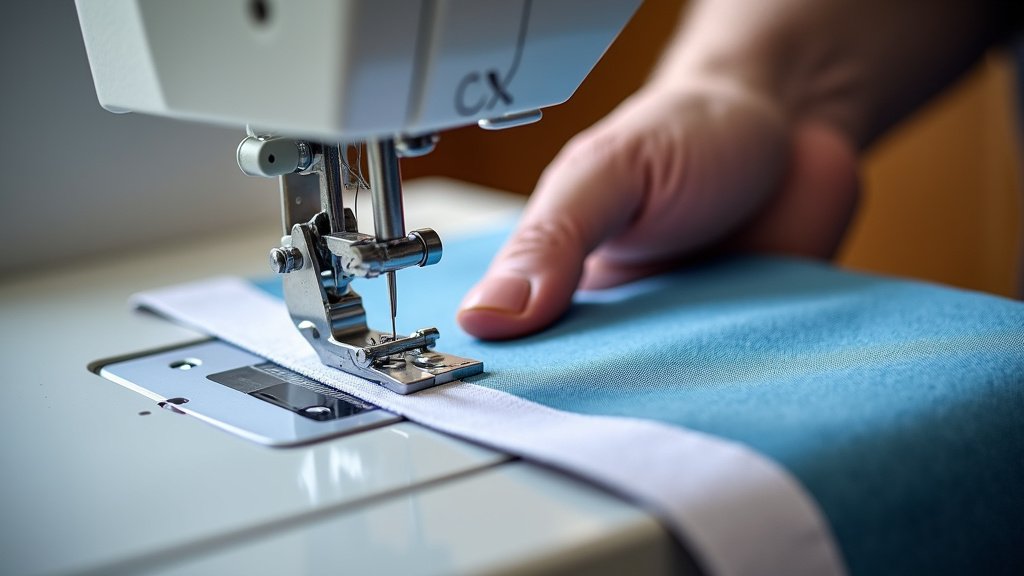
Keep your hands flat on either side of the presser foot. Apply light, even pressure to keep the layers together.
If you pull from behind, you might stretch the fabric or distort your stitches. If you push from the front, you could cause bunching.
Smooth, steady guidance is the key. Think of it like guiding a ship, not wrestling a monster.
Troubleshooting Common Issues
Even with the best preparation, you might encounter a snag or two. Don’t get discouraged! Many problems have simple fixes.
Most issues stem from tension, dull needles, or fabric struggling to move evenly.
Why Your Stitches Might Be Skipping
Skipped stitches are a common headache. This usually means the needle isn’t picking up the bobbin thread correctly.
Here’s a quick checklist for skipped stitches:
- Change your needle: It might be dull or bent.
- Re-thread your machine: Make sure the top thread is seated properly everywhere.
- Check your bobbin: Is it inserted correctly? Is it wound evenly?
- Increase stitch length: Sometimes shorter stitches can skip.
- Consider a walking foot: It helps feed the layers more smoothly.
A fresh, strong needle is often the first thing to try. It usually fixes the problem.
Dealing with Thread Breakage
If your thread keeps breaking, it’s incredibly frustrating. Think of it like a chain. Where is the weak link?
Is your thread old or poor quality? Is your needle sharp enough for the thick layers? (Good Housekeeping Institute).
Make sure your machine is threaded correctly, both top and bobbin. A missed guide can cause major issues.
Check your tension settings. Too much tension can snap thread. Try reducing the top tension slightly.
Also, ensure your needle is inserted correctly. A backwards or twisted needle will cause thread to fray and snap.
Final Preparation Touches
Before you even begin sewing, a few smart preparatory steps can save you headaches and produce a fantastic finished product.
These small actions streamline the process and ensure everything stays put.
Basting Your Layers Securely
Basting is how you hold all your layers together before you start sewing. For thick batting, this is extra important.
Pin basting is a popular method. Use plenty of safety pins, placing them every few inches, not just around the edges.
Spray basting is another excellent option. It uses a temporary adhesive to stick the layers together evenly. It’s especially good for large projects.
For really thick projects, a combination of both can be best. You want zero shifting once you begin sewing.
Practice on Scrap Fabric
Before you sew on your actual project, always do a test run on scraps. Use the same fabrics and batting thickness.
This lets you fine-tune your stitch length, tension, and machine settings. You can avoid surprises on your main piece.
It’s like doing a rehearsal before the big show. You get to fix any issues quietly, without damaging your project.
This step truly helps build confidence. You’ll know your machine and settings are ready to handle the thick layers.
Conclusion
Sewing through thick batting doesn’t have to be a struggle. By making a few thoughtful adjustments, you can transform your sewing experience. Remember to lengthen your stitches and select a sturdy needle. A good quality thread and a walking foot will also make a big difference.
You’ve learned how to prepare your project and troubleshoot common issues. With these tips, you’re ready to tackle even the most cushioned creations with confidence. Go ahead, give these techniques a try and see how much smoother your next project becomes!
Frequently Asked Questions
What kind of thread is best for quilting through thick batting?
For quilting through thick batting, a strong, high-quality polyester or cotton-poly blend thread is usually your best bet. Look for a 40wt or 50wt thread. These options offer durability and a little bit of stretch, helping to prevent breakage.
Can I use my regular sewing machine for thick batting?
Yes, you can absolutely use your regular sewing machine for thick batting. The key is to make the right adjustments. Use a heavy-duty needle, lengthen your stitch, and consider adding a walking foot. These changes help your machine handle the extra bulk effectively.
How often should I change my needle when quilting with thick batting?
When working with thick batting, it’s wise to change your needle more frequently than usual. A good rule of thumb is to change it every 4-8 hours of sewing, or when you begin a new project. A fresh, sharp needle prevents skipped stitches and thread breaks.
Why does my fabric bunch up when I sew through thick batting?
Fabric bunching often happens because the layers aren’t feeding evenly through your machine. This is where a walking foot becomes essential. It helps all layers move together. Also, ensure your presser foot pressure is adequate and you’re not pushing or pulling the fabric.
Is spray basting better than pin basting for thick batting?
Both spray basting and pin basting are effective for thick batting, and many quilters use a combination of both. Spray basting provides an even hold across the entire surface and reduces shifting. Pin basting offers strong, localized security. Choose the method that feels most comfortable and secure for your project size and batting type.
