
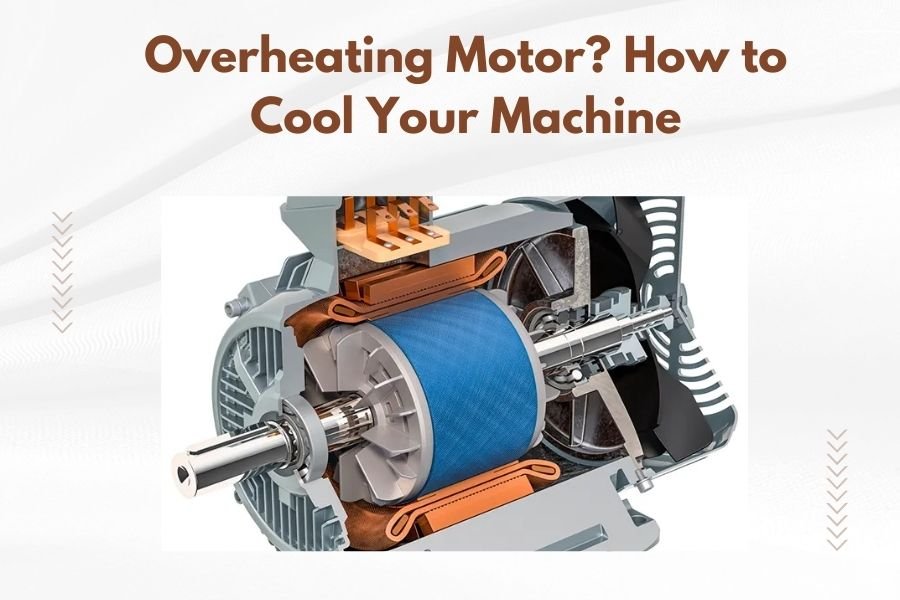
An overheating motor in your quilting machine usually means blocked air vents, excessive use without breaks, or buildup of lint and dust around the motor housing.
You can cool your machine by turning it off for 30-60 minutes, cleaning air vents with compressed air, and checking that nothing blocks airflow around the motor area.
Why Your Quilting Machine Motor Gets Hot
Think of your quilting machine motor like a car engine. It works hard and needs proper cooling to stay happy. When that cooling system fails, things get toasty fast.
Your machine generates heat naturally during operation. The motor spins thousands of times per minute. All that movement creates friction and heat buildup.
Common Causes of Motor Overheating
I found that most overheating issues come from these main problems:
- Lint and dust clogging air vents
- Running the machine too long without breaks
- Thick batting or multiple fabric layers causing strain
- Old or thick machine oil creating drag
- Worn motor brushes working harder than normal
Dust and Lint Buildup
Your machine sucks in air to cool itself. When lint clogs those airways, it’s like putting a blanket over a radiator. The motor can’t breathe.
Quilting creates tons of tiny fabric particles. They float around and get pulled into every small space. Before you know it, your cooling system is stuffed.
Continuous Use Without Rest
Marathon quilting sessions feel productive. But your motor needs breaks just like you do. Running for hours straight makes any motor run hot.
I came across recommendations suggesting 15-minute breaks every hour of heavy use. Your machine will thank you.
Warning Signs Your Motor Is Too Hot
How do you know when heat becomes a problem? Your machine gives you clues before serious damage happens.
Physical Signs to Watch For
- Hot air blowing from vents feels warmer than usual
- Burning smell coming from the motor area
- Machine body feels hot to touch near the motor
- Unusual noise or grinding sounds
- Reduced stitching power or speed
Performance Changes
An overheating motor loses strength. You might notice your machine struggling with thick layers. Stitches become uneven or skip entirely.
Some machines have built-in thermal protection. They shut down automatically when too hot. This saves your motor but stops your project cold.
Quick Cooling Solutions
When your machine runs hot, you need fast action. These steps work for most overheating situations.
Immediate Steps
Turn off your machine right away. Unplug it from power. This stops heat generation and prevents electrical damage.
Let it sit for at least 30 minutes. Don’t rush this cooling period. Touch the motor housing to check temperature before restarting.
Check Air Circulation
Move your machine away from walls or cabinets. Motors need space around them for proper airflow. Give at least 6 inches clearance on all sides.
Point a small fan toward the machine while it cools. Room air circulation helps remove heat faster.
Clean the Air Vents
Grab a can of compressed air. Blow out all visible vents and openings around the motor. You’ll be amazed at what comes flying out.
Remove the throat plate and bobbin case. Clean underneath where lint loves to hide. Use a small brush or vacuum attachment for stubborn buildup.
Deep Cleaning for Better Cooling
Surface cleaning helps immediately. But deep cleaning prevents future overheating episodes.
Motor Housing Maintenance
Check your manual for motor access panels. Some machines let you open the motor compartment safely. Others require professional service.
If you can access it, use compressed air to blow out the motor area. Work in short bursts to avoid spreading dust everywhere.
Internal Lint Removal
Lint gets into places you never expected. Behind the needle bar. Under the feed dogs. Around the tension discs.
Research from sewing machine technicians shows that regular internal cleaning can reduce motor temperatures by 10-15 degrees.
Lubrication Check
Old oil becomes thick and gummy. This makes your motor work harder and run hotter. Fresh oil reduces friction and heat.
Follow your manual’s oiling schedule. Use only recommended sewing machine oil. Other oils can damage seals and attract more dirt.
Preventing Future Overheating
Prevention beats emergency cooling every time. These habits keep your motor running cool and happy.
Regular Maintenance Schedule
Clean your machine after every major project. Don’t wait until you see lint buildup. By then, damage might already be starting.
| Maintenance Task | Frequency | Why It Matters |
|---|---|---|
| Blow out air vents | Weekly | Keeps cooling system clear |
| Clean bobbin area | After each project | Removes lint before it spreads |
| Oil moving parts | Monthly | Reduces friction and heat |
| Professional service | Yearly | Catches problems early |
Smart Quilting Habits
Take breaks during long quilting sessions. Your back and your machine both need rest. Set a timer if you tend to lose track of time.
Use the right needle and thread for your project. Wrong combinations make the motor work harder than necessary.
Environmental Factors
Room temperature affects motor cooling. Hot summer days make overheating more likely. Consider air conditioning or fans in your sewing space.
Humidity also plays a role. Sticky conditions make lint cling more and reduce air circulation effectiveness.
When to Call for Professional Help
Sometimes DIY cooling isn’t enough. Certain problems need expert attention.
Red Flag Symptoms
Call a technician if you notice these warning signs:
- Burning smell that doesn’t go away after cleaning
- Machine overheats within minutes of starting
- Motor makes grinding or squealing noises
- Visible sparks or smoke from the motor area
- Machine randomly shuts off even when cool
Motor Replacement Considerations
Sometimes motors wear out beyond repair. This usually happens after many years of heavy use. A qualified technician can test motor condition and recommend replacement if needed.
Motor replacement costs vary widely. Get quotes from authorized service centers. Sometimes investing in a new machine makes more financial sense.
Choosing the Right Quilting Speed
Faster isn’t always better. Running at maximum speed all the time creates unnecessary heat and wear.
Speed vs. Heat Generation
Your motor generates more heat at higher speeds. Slow down for thick layers or detailed work. Save high speed for simple straight-line quilting.
Many experts recommend staying below 75% maximum speed for regular quilting. This extends motor life and reduces overheating risk.
Variable Speed Benefits
Modern machines offer precise speed control. Use this feature to match speed with your project needs. Complex patterns work better at moderate speeds anyway.
Consistent moderate speed often produces better results than rushing at high speed.
Machine Placement and Setup
Where and how you set up your machine affects cooling performance.
Ideal Workspace Conditions
Place your machine on a stable surface with good airflow underneath. Cabinet setups can trap heat if not properly ventilated.
Keep the area around your machine clear. Fabric piles and storage boxes block air circulation.
Lighting and Heat Sources
Bright quilting lights generate extra heat. LED lights run cooler than traditional bulbs. This small change can help keep your overall workspace temperature down.
Avoid placing your machine near heating vents or in direct sunlight. These external heat sources make motor cooling much harder.
Conclusion
An overheating motor doesn’t have to ruin your quilting day. Quick action and regular maintenance keep your machine running cool and reliable. Clean those air vents regularly, take breaks during long sessions, and listen to what your machine tells you. Remember that prevention always beats emergency repairs. With proper care, your quilting machine motor will serve you well for years of beautiful projects. When in doubt, don’t hesitate to consult a professional technician. Your creativity deserves a machine that runs smoothly and stays cool under pressure.
How often should I clean my quilting machine to prevent overheating?
Clean your machine after every major quilting project, and blow out air vents weekly if you quilt frequently. Monthly deep cleaning and oiling will keep your motor running coolest.
What room temperature is best for preventing motor overheating?
Keep your quilting space between 65-75°F if possible. Higher temperatures make your motor work harder to stay cool, especially during summer months or in poorly ventilated rooms.
Can I use a household fan to help cool my overheating machine?
Yes, pointing a small fan toward your machine during breaks helps remove heat faster. Just make sure the fan doesn’t blow fabric scraps or thread around while you’re sewing.
Why does my machine overheat more with thick batting than thin layers?
Thick batting creates more resistance, forcing your motor to work harder and generate extra heat. Slow down your quilting speed and take more frequent breaks when working with heavy materials.
Is it normal for my machine to feel warm during long quilting sessions?
Some warmth is normal, but the motor housing shouldn’t be too hot to touch. If you can’t comfortably hold your hand on the machine body, it needs a cooling break immediately.
