
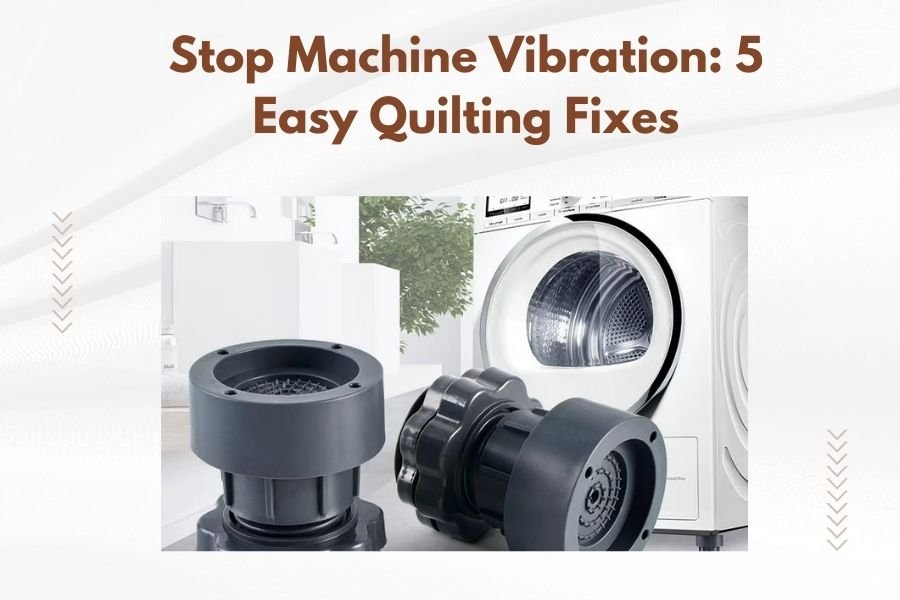
Machine vibration during quilting usually happens because of an unstable surface, loose parts, or improper threading that makes your machine work harder than it should.
You can stop machine vibration by checking your table setup, tightening loose screws, cleaning lint buildup, adjusting tension settings, and making sure your machine sits level.
Why Your Quilting Machine Shakes and Jumps Around
Have you ever been in the middle of a beautiful quilt pattern when your machine starts dancing across the table? That annoying vibration doesn’t just mess up your stitching. It can actually damage your machine over time.
Your quilting machine vibrates for simple reasons. Think of it like a washing machine with clothes bunched up on one side. When things get out of balance, the whole system shakes.
The Most Common Vibration Triggers
I found that most quilting machine vibration comes from five main problems. Each one is fixable with basic tools you probably already have.
- Wobbly or too-small work surface
- Loose screws and bolts on the machine
- Lint and debris clogging moving parts
- Wrong thread tension settings
- Uneven machine placement
Fix #1: Get Your Work Surface Right
Your quilting table is like the foundation of a house. If it’s not solid, everything else wobbles too.
Check Your Table Stability
Push down on each corner of your quilting table. Does it rock back and forth? Can you shake it with your hands? If yes, that’s your vibration source right there.
I researched this issue and found that many quilters use dining room tables or card tables that just can’t handle the machine’s movement. Your table needs to be heavy and sturdy.
Quick Table Fixes
You don’t need to buy a new table right away. Try these simple fixes first:
- Add books or weights under the table for stability
- Push the table against a wall
- Tighten any loose table screws
- Put rubber mats under table legs to grip the floor
Size Matters Too
Your quilting machine needs room to breathe. A table that’s too small makes your machine hang over the edge. This creates an uneven weight distribution that causes vibration.
Make sure your machine sits completely on the table surface. No part should hang off the sides.
Fix #2: Tighten Those Loose Screws
Quilting machines have lots of moving parts. Over time, vibration loosens the very screws that hold everything together. It’s like a vicious cycle.
Where to Look for Loose Parts
Turn off your machine and unplug it first. Safety comes before everything else when you’re doing maintenance.
Check these spots with a screwdriver:
- Needle bar assembly screws
- Motor mounting bolts
- Base and frame connections
- Throat plate screws
- Extension table attachments
The Right Way to Tighten Screws
Don’t go crazy with the screwdriver. Overtightening can strip threads or crack plastic parts. Snug is better than super tight.
I found online that many quilters check their machine screws once a month. It takes five minutes and prevents bigger problems later.
Listen to Your Machine
A well-tightened machine sounds different than a loose one. You’ll hear less rattling and more smooth humming when everything is properly secured.
Fix #3: Clean Out the Lint and Debris
Lint is like tiny rocks in your machine’s gears. It makes everything work harder and creates vibration as parts struggle to move smoothly.
The Hidden Lint Spots
You probably clean your bobbin area regularly. But lint hides in other places too:
- Inside the motor housing
- Around the drive belt
- Under the throat plate
- In the tension disc assembly
- Behind the face plate
Safe Cleaning Tools
Skip the canned air for now. It can blow lint deeper into your machine. Use these tools instead:
- Small paintbrush with soft bristles
- Tweezers for stubborn pieces
- Lint-free cloth
- Machine oil (only where your manual says to use it)
How Often Should You Clean?
Research from sewing machine experts suggests cleaning after every 8-10 hours of quilting time. Heavy quilters might need to clean weekly.
Your thread type matters too. Bargain threads shed more lint than quality ones. Cotton batting creates more debris than polyester.
Fix #4: Adjust Your Thread Tension
Wrong tension settings make your machine work like a car driving uphill in the wrong gear. Everything strains and vibrates more than it should.
Signs Your Tension is Off
Bad tension doesn’t just affect stitch quality. It creates physical stress on your machine’s moving parts.
Watch for these tension warning signs:
- Thread breaking frequently
- Puckered fabric
- Loops on the bottom of your quilt
- Machine working harder on straight stitches
The Simple Tension Test
Thread your machine normally. Hold the top thread and lift the bobbin case. It should drop slowly and smoothly. If it drops like a rock or won’t drop at all, your tension needs adjusting.
Start with Small Changes
Most quilting problems need tiny tension adjustments. Move your dial just one number at a time. Test on scrap fabric before going back to your good quilt.
I found that many quilters make tension changes too big and create new problems. Small steps work better.
Fix #5: Level Your Machine Properly
An unlevel machine is like trying to write on a tilted desk. Everything fights against gravity and creates unnecessary vibration.
Check for Level Issues
Put a small ball or marble on your machine’s base. Does it roll to one side? That tells you which way your machine tilts.
You can also use a phone app that shows level. Many phones have this built into their tools section.
Simple Leveling Fixes
You don’t need fancy equipment to level your machine. Try these household solutions:
- Fold cardboard or paper to make shims
- Use rubber furniture pads of different thicknesses
- Adjust your table’s leg height if possible
- Move to a different spot on your table
Test Your Leveling Work
After making adjustments, run your machine at different speeds without fabric. Listen for changes in sound and feel for reduced vibration.
A properly leveled machine should feel steady at all speeds. The vibration should be minimal and consistent.
When to Call for Professional Help
Sometimes vibration means your machine needs expert attention. Don’t feel bad about calling a repair shop when these fixes don’t work.
Warning Signs You Need a Pro
These problems usually need professional repair:
- Vibration that gets worse over time
- Strange noises from inside the motor
- Visible wear on drive belts or gears
- Machine jumping even on a solid surface
What to Tell Your Repair Person
Good repair shops want to know when the vibration started and what makes it better or worse. Keep notes about your machine’s behavior before your appointment.
Preventing Future Vibration Problems
Prevention beats repair every time. A few simple habits keep your quilting machine running smoothly for years.
Monthly Maintenance Checklist
Set a phone reminder to do these simple checks:
| Task | Time Needed | What to Look For |
|---|---|---|
| Check screws | 5 minutes | Loose connections |
| Clean lint | 10 minutes | Buildup in moving parts |
| Test tension | 3 minutes | Smooth thread flow |
| Check level | 2 minutes | Machine stability |
Good Daily Habits
Small daily actions prevent big problems later. Cover your machine when not in use. Clean up thread scraps before they get into moving parts. Use good quality thread that sheds less lint.
Conclusion
Machine vibration doesn’t have to ruin your quilting time. Most vibration problems come from simple causes with simple fixes. Start with your work surface and move through each fix systematically.
Remember that prevention works better than repair. A few minutes of monthly maintenance keeps your machine running smoothly and quietly for years. Your quilts will look better, and your quilting experience will be much more enjoyable.
Don’t let a shaky machine shake your confidence. These five fixes solve most vibration problems, and you probably have everything you need to try them right now.
Why does my quilting machine vibrate more at high speeds?
Higher speeds amplify any existing problems with your machine’s balance or setup. Small issues that don’t show at slow speeds become obvious when you quilt faster. Check your machine level and table stability first.
Can using the wrong needle cause machine vibration?
A bent, dull, or wrong-size needle makes your machine work harder to push through fabric. This extra strain can create vibration, especially on thick quilts. Change to a fresh, appropriate needle for your project.
Should I oil my quilting machine to reduce vibration?
Only oil the spots your manual specifically mentions. Too much oil attracts lint and can make vibration worse. Most modern quilting machines need very little oil, and some parts should never be oiled by users.
How do I know if my quilting table is strong enough?
A good quilting table shouldn’t move when you push on it with normal force. If you can rock the table with your hands or it bounces when you quilt, it’s not sturdy enough for consistent results.
Why does my machine vibrate only when quilting thick layers?
Thick batting and multiple fabric layers make your machine work harder. This extra resistance can reveal problems with tension settings, needle choice, or motor mounting that don’t show up on thin projects.
