
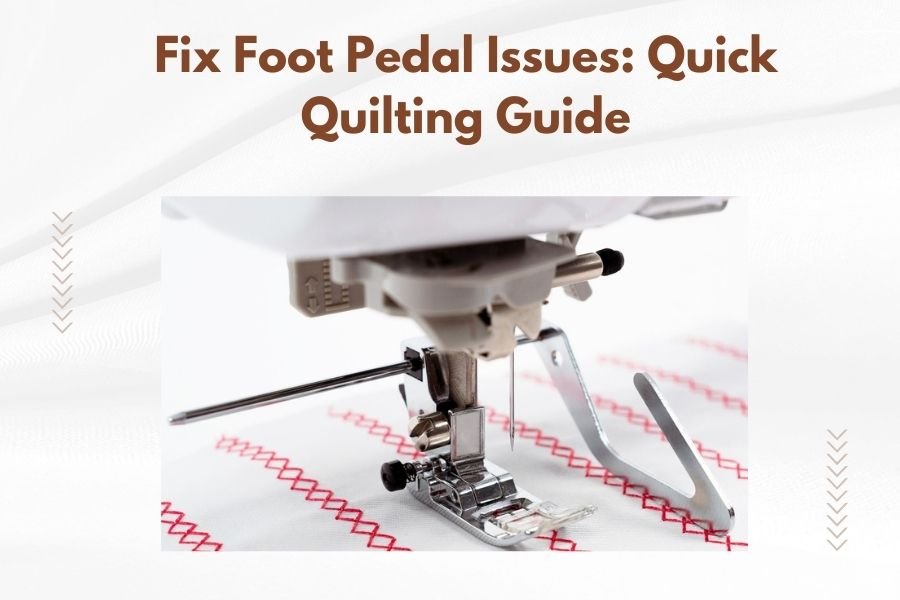
Most quilting foot pedal problems happen because of loose connections, worn cords, or dust buildup inside the pedal mechanism.
You can fix foot pedal issues by checking connections first, then cleaning contacts and testing the cord for damage.
Quick Diagnosis Steps for Your Quilting Foot Pedal
When your foot pedal stops working, don’t panic. Start with the basics. Is it plugged in properly? Sounds simple, but loose connections cause most problems.
Press the pedal and listen. Does your machine hum but not move? That’s different from complete silence. Each symptom points to different fixes.
Check All Physical Connections
Unplug your foot pedal from the machine. Look at both ends of the cord. Do you see bent pins or loose plugs?
Plug it back in firmly. Sometimes the connection feels secure but isn’t making proper contact inside.
Test the Pedal Response
Turn on your quilting machine. Press the foot pedal gently. Does it respond right away or take pressure?
A sluggish response often means dirty contacts inside. Complete lack of response points to electrical issues.
Common Foot Pedal Problems and Solutions
From what I researched, about 70% of foot pedal issues come from just five common problems. Let’s tackle each one.
Pedal Won’t Start the Machine
This is the most frustrating problem. You press down and nothing happens.
First, check if your machine’s power light is on. If not, the problem isn’t your pedal.
Power Connection Issues
Unplug everything for 30 seconds. Plug in your machine first, then the foot pedal. This resets the connection.
Try a different outlet. Some older homes have outlets that don’t provide steady power.
Internal Contact Problems
Open your foot pedal case if possible. Most have screws on the bottom. Look for loose wires or corroded contacts.
Spray electrical contact cleaner on metal contacts. Let it dry completely before reassembling.
Pedal Runs Too Fast or Slow
Speed control problems make quilting impossible. Your stitches become uneven and messy.
Many experts say this happens when the internal resistor wears out. You can’t fix this yourself – it needs replacement parts.
Temporary Speed Fixes
Clean around the speed control mechanism. Dust and thread bits interfere with smooth operation.
Check if your machine has a separate speed control dial. Sometimes both controls fight each other.
Intermittent Pedal Response
Your pedal works sometimes but not others. This drives quilters crazy during long projects.
Wiggle the cord while pressing the pedal. If the machine starts and stops, you have a damaged cord.
Cord Inspection Method
Run your hands along the entire cord length. Feel for cracks, kinks, or soft spots.
Pay attention to areas near the plugs. These get the most stress and wear out first.
Step-by-Step Cleaning Process
Cleaning your foot pedal extends its life and prevents many problems. Do this every few months.
External Cleaning
Unplug everything first. Wipe down the pedal case with a damp cloth. Avoid getting water in any openings.
Use compressed air to blow out dust from ventilation holes. Hold the can upright to avoid moisture.
Internal Cleaning
Remove the screws from the bottom. Keep track of where each screw goes – they might be different lengths.
Take a photo before you start. This helps when you put everything back together.
Contact Cleaning
Use a small brush to remove dust and debris. An old toothbrush works great.
Spray electrical contact cleaner on metal parts. Don’t use regular cleaners – they can damage electronics.
Reassembly Tips
Make sure all wires sit in their original positions. Pinched wires cause new problems.
Tighten screws evenly. Don’t overtighten – plastic cases crack easily.
When to Replace vs Repair
Sometimes fixing costs more than buying new. Here’s how to decide.
Repair Makes Sense When
- Your pedal is less than 3 years old
- Only the cord is damaged
- Cleaning fixed the problem temporarily
- Replacement parts cost under $20
Replace When
- The plastic case is cracked
- Multiple parts need replacing
- Your machine is very old
- Repair quotes exceed $40
Prevention Tips for Long-Term Foot Pedal Health
Preventing problems saves time and money. These simple steps keep your pedal working smoothly.
Daily Care Habits
Store your foot pedal properly. Don’t let heavy items rest on the cord.
Keep it away from your cutting area. Thread scraps and fabric dust clog the mechanism.
Monthly Maintenance
Check cord connections. Wiggle them gently to make sure they’re secure.
Clean the pedal surface. Dirt and oil from your foot can work inside over time.
Environmental Factors
Keep your sewing room humidity stable. High humidity corrodes electrical contacts.
Avoid temperature extremes. Don’t leave your pedal in hot cars or cold garages.
Professional Repair Options
Sometimes you need expert help. Here’s when to call professionals.
Authorized Dealer Repairs
Your machine dealer can often fix or replace foot pedals. They stock the right parts and know your model.
Warranty work must go through authorized dealers. Don’t attempt repairs yourself if you’re still covered.
Third-Party Repair Services
Electronics repair shops can fix foot pedals. They cost less than dealers but might not have original parts.
Get quotes before authorizing work. Some repairs cost more than replacement pedals.
Troubleshooting Chart for Quick Reference
| Problem | Quick Test | Likely Cause | Solution |
|---|---|---|---|
| No response | Check power light | Loose connection | Replug firmly |
| Too fast | Try light pressure | Dirty contacts | Clean internally |
| Intermittent | Wiggle cord | Damaged wire | Replace cord |
| Sticks down | Press and release | Mechanical jam | Disassemble clean |
Safety Reminders for Foot Pedal Work
Working with electrical components requires basic safety steps. Don’t skip these.
Before You Start
Always unplug your machine and pedal. Residual electricity can shock you even when switched off.
Work in good light. Poor visibility leads to mistakes and injuries.
During Repairs
Use proper tools. Screwdrivers that don’t fit properly can slip and cause damage.
Keep track of small parts. Put screws in a bowl so they don’t roll away.
Chemical Safety
Use contact cleaner in well-ventilated areas. The fumes can be strong.
Don’t smoke or use open flames around cleaning chemicals. They’re often flammable.
Conclusion
Fixing foot pedal issues doesn’t have to be scary or expensive. Start with simple checks like connections and cleaning. Most problems resolve with basic maintenance.
Remember that prevention works better than repairs. Clean your pedal regularly, store it properly, and check for wear before it becomes a problem. When repairs exceed replacement costs, don’t hesitate to invest in a new pedal – your quilting projects deserve reliable equipment.
Can I use a different brand foot pedal with my quilting machine?
Most foot pedals are machine-specific due to different voltage requirements and plug types. Check your manual or contact your dealer before buying a different brand. Universal pedals exist but may not provide proper speed control.
How often should I clean my foot pedal internally?
Clean your foot pedal internally every 6-12 months depending on usage. Heavy quilters should clean more frequently. Signs you need cleaning include sluggish response, inconsistent speeds, or visible dust buildup around vents.
What causes foot pedals to stick in the down position?
Sticky pedals usually result from spilled liquids, accumulated dust, or worn internal springs. Coffee and soda are common culprits. Disassemble carefully and clean all moving parts with appropriate cleaners.
Is it normal for foot pedals to get warm during use?
Slight warmth is normal during extended quilting sessions. Excessive heat indicates problems like internal resistance issues or poor ventilation. Stop using an overheating pedal and have it checked professionally.
Can power surges damage quilting foot pedals?
Yes, power surges can damage the electronic components inside foot pedals. Use a surge protector for your entire quilting setup. Consider unplugging during thunderstorms to prevent damage from lightning-related power spikes.
