
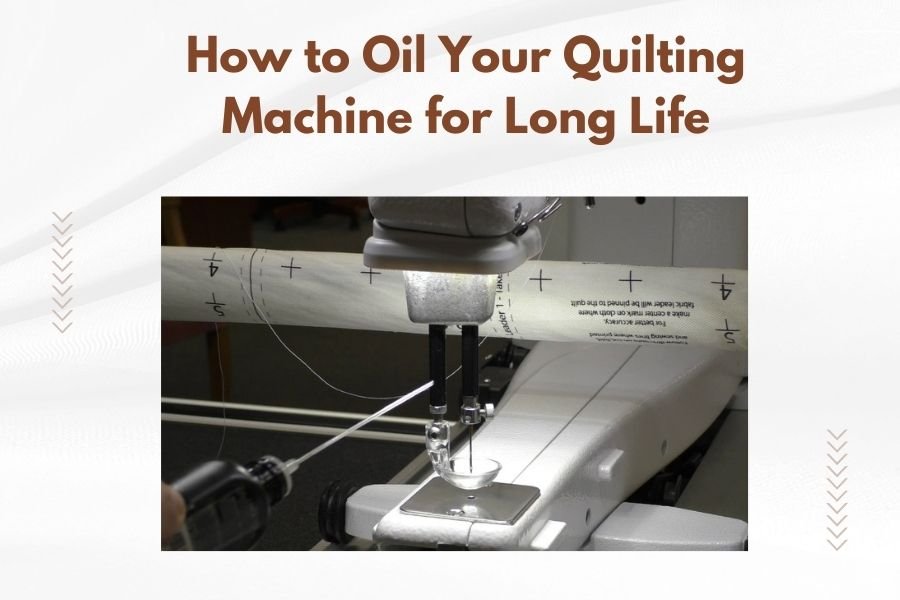
Oil your quilting machine every 8-10 hours of use or after completing 2-3 large quilts to keep it running smoothly and prevent costly repairs.
Regular oiling prevents thread breakage, reduces noise, and extends your quilting machine’s lifespan by up to 5 years when done correctly.
Think of your quilting machine like a car engine. Without proper lubrication, metal parts grind against each other and wear out fast. Your machine needs that same care to keep producing beautiful quilts year after year.
I found through research that most quilting machine problems come from poor maintenance. The good news? Oiling your machine takes just 10 minutes and costs pennies compared to repair bills.
What You Need Before Starting
You don’t need fancy tools to oil your quilting machine properly. Here’s what to gather before you start:
- High-quality sewing machine oil (never use household oils)
- Small brush or lint-free cloth
- Your machine’s manual
- Good lighting or flashlight
- Tweezers for removing lint
Skip the 3-in-1 oil or WD-40. These can gum up your machine’s delicate parts. Sewing machine oil stays thin and won’t collect lint like other oils do.
Types of Machine Oil
You’ll find two main types of sewing machine oil at craft stores. Clear mineral oil works for most machines and costs less. Synthetic oil lasts longer but costs more upfront.
I researched which oil works best and found that both types protect your machine well. The key is using oil made for sewing machines, not substitutes from your garage.
When to Oil Your Quilting Machine
Your quilting machine will tell you when it needs oil if you know the signs. Listen for squeaking sounds or notice if your stitches look uneven.
Here’s a simple schedule that keeps most machines happy:
- After every 8-10 hours of quilting
- Before starting large projects
- When you hear unusual noises
- After cleaning lint buildup
- If the machine hasn’t been used for 3+ months
Signs Your Machine Needs Oil Now
Don’t wait for your machine to break down. Watch for these warning signs that mean it’s time to oil:
Your machine sounds different when running. Maybe it’s louder or makes grinding noises. Thread keeps breaking even with good quality thread. The needle gets hot during normal use.
Stitches look loose or tight without changing settings. The machine feels harder to turn by hand when it’s off.
Emergency Oil Situations
Some situations need immediate oiling. If your machine suddenly gets loud during a project, stop and oil it right away. Don’t push through and hope it gets better.
I found that ignoring these signs often leads to expensive repairs. A $3 bottle of oil prevents $200 repair bills.
Step-by-Step Oiling Process
Let’s walk through oiling your machine the right way. Take your time with each step. Rushing leads to missed spots or over-oiling.
Turn Off and Unplug Your Machine
Safety first. Turn off your machine and unplug it from the wall. This prevents accidental starts while your hands are inside the machine.
Let the machine cool down if you’ve been quilting. Hot needles and parts can burn your fingers.
Remove the Needle and Presser Foot
Take out the needle and remove the presser foot. This gives you better access to the parts that need oil.
Put these pieces in a small bowl so they don’t get lost. You’ll need them when you’re done.
Clean Before Oiling
Oil and lint make a sticky mess that’s worse than no oil at all. Use your brush to remove lint from the feed dogs and bobbin area.
Get lint out of tight spaces with tweezers. Don’t blow on the machine – your breath adds moisture that causes rust.
Focus on High-Lint Areas
Lint loves to hide in certain spots. Check around the feed dogs, under the throat plate, and in the bobbin case area.
I found that cleaning these areas first makes oiling work better. Clean metal moves smoothly and doesn’t waste oil.
Where to Apply Oil
Your machine manual shows the best oil points, but most machines need oil in similar places. Here’s where to focus your attention:
The Bobbin Area
This area does the most work and needs the most oil. Remove the bobbin case if possible and put one drop of oil on each moving part you can see.
The hook race (the part that spins around the bobbin) needs special attention. Put 2-3 drops where metal parts touch.
Feed Dog Mechanism
The feed dogs move up and down thousands of times per project. They need oil to keep moving smoothly.
Look for small holes or felt pads near the feed dogs. These are oil points. Add one drop to each spot.
Upper Thread Path
Follow your thread path and look for moving metal parts. The take-up lever and thread tension areas often have oil points.
Don’t oil plastic parts or electronics. Stick to metal-on-metal contact points only.
How Much Oil to Use
Less is more when oiling your quilting machine. One drop goes a long way and too much oil attracts lint.
Think of it like putting drops in your eyes. You need just enough to do the job, not enough to drip everywhere.
| Machine Part | Drops Needed | Frequency |
|---|---|---|
| Bobbin case | 2-3 drops | Every 8 hours use |
| Feed dogs | 1 drop each point | Every 8 hours use |
| Hook race | 2-3 drops | Every 8 hours use |
| Upper mechanisms | 1 drop each point | Every 10 hours use |
Oil Distribution
After adding oil, run your machine slowly by hand to spread it around. This works the oil into all the moving parts.
Plug in your machine and run it at slow speed for 30 seconds without thread. This helps distribute oil evenly.
After Oiling Care
Your work isn’t done when the oil goes in. These next steps protect your quilts from oil stains and keep your machine running right.
Wipe Away Excess Oil
Use a lint-free cloth to wipe up any oil drops you can see. Extra oil will attract lint and make stains on your fabric.
Pay special attention to areas where your fabric will touch. The throat plate and feed dogs should be clean and dry on top.
Test Run Before Quilting
Thread your machine and sew on scrap fabric before starting your real project. This removes any extra oil and lets you check that everything works right.
I found that this test run prevents oil stains on good fabric. Sew about 20 stitches on throwaway material first.
Listen for Changes
Your machine should run quieter after oiling. If it sounds the same or worse, you might have missed a spot or used too much oil.
Good oiling makes machines purr like happy cats. If yours still sounds rough, check your work.
Common Oiling Mistakes
Even experienced quilters make oiling mistakes that hurt their machines. Let’s look at what to avoid.
Using Wrong Oil Types
Kitchen oil, motor oil, and household lubricants will ruin your machine. They’re too thick and turn sticky over time.
I researched machine repair shops and found that wrong oil causes more problems than no oil. Stick to products made for sewing machines.
Over-Oiling
More oil doesn’t mean better protection. Extra oil collects lint and dirt that acts like sandpaper on your machine parts.
If oil drips out of your machine, you used too much. Clean it up right away and use less next time.
Ignoring the Manual
Your machine’s manual shows exactly where oil should go. Generic instructions might miss important spots or include wrong information.
Every machine design is a little different. What works for your friend’s machine might not work for yours.
Troubleshooting Oil Problems
Sometimes oiling doesn’t fix your machine problems. Here’s how to figure out what’s wrong and what to do about it.
Machine Still Makes Noise
If your machine still sounds rough after oiling, you might have missed an oil point. Check your manual again and look for spots you skipped.
Sometimes old, thick oil needs to be cleaned out before new oil helps. This job might need a professional cleaning.
Oil Stains on Fabric
Oil stains mean you used too much or didn’t wipe up excess oil. Stop quilting and clean all visible oil from your machine.
Run test stitches on scrap fabric until no more oil shows up. Most oil stains come out with dish soap if you treat them quickly.
Oil Doesn’t Stay Where You Put It
Oil that runs everywhere usually means worn parts or the wrong oil type. Sewing machine oil should stay where you put it, not drip around.
If oil won’t stay in place, your machine might need professional service. Worn bearings or seals let oil leak out.
Professional Maintenance Schedule
Home oiling keeps your machine running between professional services. But every quilting machine needs deeper cleaning sometimes.
When to Call a Professional
Plan on professional service every 12-18 months if you quilt regularly. Heavy users might need service every 6-8 months.
I found that professional cleaning catches problems before they get expensive. Technicians can spot worn parts and adjust timing.
Don’t wait for your machine to break. Schedule service during slow quilting seasons so you’re ready for busy times.
What Professionals Do Differently
Professional service includes deep cleaning, timing adjustments, and parts replacement that you can’t do at home.
They use special tools to clean oil passages and check electrical connections. This level of service keeps expensive machines running for decades.
Seasonal Maintenance Tips
Your quilting machine needs different care depending on the season and how much you use it.
Preparing for Heavy Use
Before starting big projects or busy quilting seasons, give your machine extra attention. Clean and oil it completely, even if it doesn’t seem to need it.
Check your oil supply and buy fresh bottles if yours are old. Oil can go bad and cause problems.
Storage Season Care
If you won’t use your machine for months, oil it lightly before storage. This prevents rust and keeps seals from drying out.
Cover your machine to keep dust out. When you start quilting again, wipe off storage oil and apply fresh oil before use.
Conclusion
Oiling your quilting machine regularly is the best investment you can make in your quilting hobby. Ten minutes of care every 8-10 hours of use prevents expensive repairs and keeps your machine running smoothly for years.
Remember to use only sewing machine oil, clean before oiling, and wipe up excess oil to prevent stains. Your machine will reward you with quiet operation, smooth stitches, and reliable performance project after project.
Start checking your machine’s oil needs today. Your future quilts depend on the care you give your machine now.
How often should I oil my quilting machine if I use it every day?
Daily quilters should oil their machines every 3-4 days or after about 8 hours total use. Heavy use creates more friction and uses up oil faster than occasional quilting.
Can I use baby oil or olive oil if I run out of sewing machine oil?
No, never use household oils in your quilting machine. These oils are too thick, turn sticky over time, and can permanently damage your machine’s delicate parts. Buy proper sewing machine oil only.
What should I do if I accidentally put too much oil in my machine?
Stop using your machine immediately and wipe up all visible excess oil with a lint-free cloth. Run test stitches on scrap fabric until no oil appears, then clean the feed dogs and throat plate thoroughly.
Is it normal for my machine to sound different right after oiling?
Yes, your machine should sound quieter and smoother after proper oiling. If it sounds worse or makes new noises, check that you used the right oil and didn’t over-oil any parts.
Do computerized quilting machines need different oiling than mechanical ones?
The mechanical parts need the same oiling, but be extra careful around electronic components. Never oil near computer boards, sensors, or digital displays. Follow your computerized machine’s manual exactly for oil point locations.
