
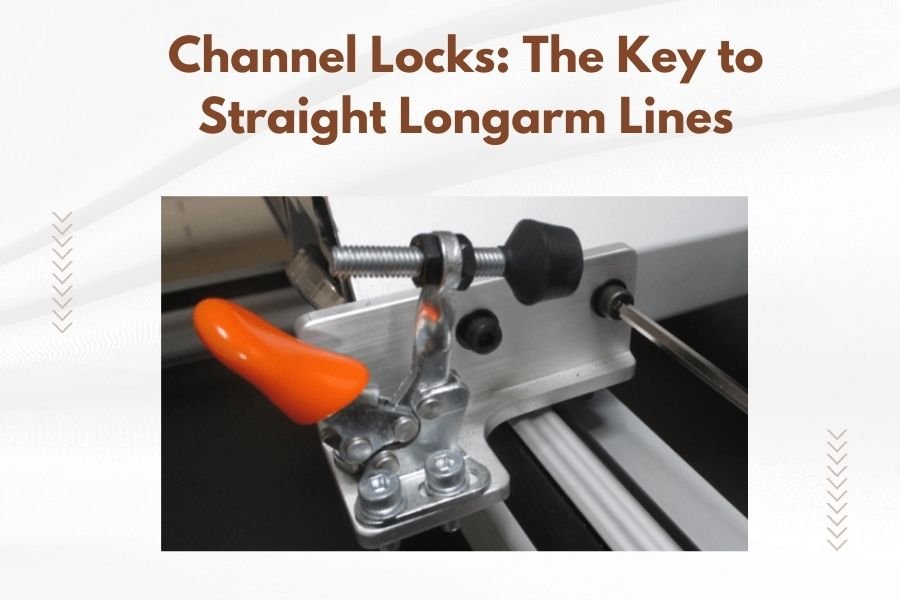
Channel locks are mechanical guides on longarm quilting machines that help you maintain perfectly straight quilting lines by keeping the machine head aligned along predetermined paths.
These essential accessories attach to your longarm’s track system and act like rails for your machine, preventing wobbling or drifting that can ruin straight-line quilting patterns.
What Are Channel Locks and Why Do You Need Them?
Think of channel locks like bumpers at a bowling alley. They keep your machine rolling in exactly the right direction, no matter what.
When you’re quilting straight lines, even tiny hand movements can throw off your pattern. Channel locks eliminate that human error factor completely.
The Problem They Solve
Have you ever tried to draw a perfectly straight line freehand? It’s nearly impossible. The same challenge exists with longarm quilting.
Without channel locks, your quilting lines might start straight but gradually drift. This creates uneven spacing and wonky patterns that are hard to fix later.
How Channel Locks Work
Channel locks clamp onto your machine’s track system. They create physical barriers that guide your machine head along straight paths.
Most systems use adjustable stops or guides that you position based on your desired line spacing. Once set up, you simply move your machine between these guides.
Types of Channel Lock Systems
I found that most longarm manufacturers offer their own channel lock designs. Each system has unique features and benefits.
Fixed Position Channel Locks
These basic systems use static guides that you position manually for each line. They’re simple and affordable but require more setup time.
Fixed systems work well for basic straight-line quilting and crosshatch patterns. They’re perfect if you’re just starting with ruler work.
Pros of Fixed Systems
- Lower cost than advanced systems
- Simple to understand and use
- Compatible with most longarm machines
- Durable with few moving parts
Cons of Fixed Systems
- Slower setup between lines
- Limited to basic patterns
- More measurement work required
Adjustable Channel Lock Systems
Advanced systems let you adjust spacing on the fly. Some include measuring tapes or rulers built into the mechanism.
These systems speed up your workflow significantly. You can change line spacing without stopping to remeasure everything.
Features to Look For
- Built-in measuring systems
- Quick-release mechanisms
- Multiple spacing options
- Compatibility with your machine brand
Setting Up Channel Locks Properly
Proper setup makes the difference between perfect lines and frustrating results. I researched common setup mistakes and found these steps work best.
Before You Start
Check that your longarm machine is level and properly tensioned. Uneven tension can cause problems even with perfect channel lock setup.
Clean your track system thoroughly. Any debris or buildup will affect how smoothly your machine moves along the guides.
Step-by-Step Setup Process
Step 1: Position Your First Guide
Start with your machine at one edge of the quilt. Position the first channel lock guide where you want your first quilting line.
Make sure the guide runs parallel to your quilt edge. Use a long ruler to double-check alignment.
Step 2: Set Your Spacing
Measure from your first guide to where you want the second line. Most quilters use 1-inch to 2-inch spacing for basic crosshatching.
Position your second guide at this distance. Some systems have built-in spacers that make this step automatic.
Step 3: Test Your Setup
Run your machine along the channel without quilting first. This lets you feel how the system guides your movement.
Make any needed adjustments before you start quilting. It’s much easier to fix spacing issues now than after you’ve started stitching.
Common Channel Lock Techniques
Different quilting patterns require different channel lock approaches. Here are the most popular techniques I found quilters using.
Basic Straight Line Quilting
This is where most people start with channel locks. Set up parallel guides and quilt straight lines across your entire quilt.
Work from one side to the other, maintaining consistent speed. The channel locks handle the direction control for you.
Crosshatch Patterns
Crosshatching creates diamond-shaped patterns by quilting lines in two directions. First, quilt all your vertical lines. Then rotate your setup 90 degrees and quilt horizontal lines.
Many quilters prefer 45-degree diagonal lines instead of straight vertical and horizontal. This creates more interesting visual texture.
Tips for Perfect Crosshatching
- Keep your line spacing consistent in both directions
- Mark your starting and stopping points
- Maintain steady speed throughout each line
- Check your tension between direction changes
Echo Quilting with Channel Locks
Echo quilting creates parallel lines that follow the shape of applique or other design elements. Channel locks help maintain consistent spacing between echo lines.
This technique requires more planning than basic straight lines. You’ll need to reposition your guides frequently to follow curved shapes.
Troubleshooting Common Problems
Even with channel locks, things can go wrong. Here are the most common issues and how to fix them.
Lines That Aren’t Straight
If your lines still curve despite using channel locks, check your machine’s track system. Worn tracks or loose bolts cause steering problems.
Also verify that your channel locks are properly aligned. Even small alignment errors multiply across long quilting lines.
Uneven Line Spacing
This usually happens when channel locks shift during quilting. Make sure all clamps and locks are tight before you start each line.
Some quilters mark reference points on their quilt top as backup guides. This helps catch spacing problems early.
Machine Binding or Sticking
If your machine doesn’t move smoothly along the channel locks, check for debris in the track system. Also verify that you haven’t over-tightened the guide clamps.
Machine oil on the tracks can also cause binding. Clean with appropriate solvents and let dry completely before quilting.
Choosing the Right Channel Lock System
The best channel lock system depends on your machine type, quilting style, and budget. I found these factors matter most when choosing.
Machine Compatibility
Not all channel lock systems work with every longarm machine. Check with your machine manufacturer for recommended accessories.
Some aftermarket systems claim universal compatibility but may require modifications to work properly.
Budget Considerations
| System Type | Price Range | Best For |
|---|---|---|
| Basic Fixed | $50-150 | Beginners, simple patterns |
| Adjustable | $150-400 | Regular quilters, varied patterns |
| Professional | $400-800 | Business quilters, complex work |
Quality Indicators
Look for systems made from sturdy materials like aluminum or steel. Plastic components often wear out quickly under regular use.
Good channel locks should clamp securely without marring your machine’s finish. Check reviews from other quilters who own your machine brand.
Maintaining Your Channel Lock System
Proper maintenance keeps your channel locks working accurately for years. I researched best practices from professional quilters.
Regular Cleaning
Wipe down your channel locks after each quilting session. Thread lint and fabric dust can build up in the adjustment mechanisms.
Use compressed air to blow out tight spaces where debris collects. Avoid using oil or grease unless specifically recommended by the manufacturer.
Storage Tips
Store channel locks in a dry location away from temperature extremes. Metal components can rust if exposed to humidity.
Keep adjustment knobs and clamps slightly loose during storage. This prevents metal fatigue from constant tension.
Advanced Channel Lock Techniques
Once you master basic straight-line quilting, channel locks open up many advanced possibilities.
Combining with Rulers
You can use channel locks together with quilting rulers for complex geometric patterns. The channel locks handle overall alignment while rulers create specific shapes.
This combination works especially well for borders and sashing treatments that need both precision and creativity.
Creating Texture Patterns
Vary your line spacing to create visual texture. Start with wide spacing and gradually decrease, or alternate between thick and thin line groups.
Channel locks make these spacing variations much easier to execute consistently across large quilts.
Conclusion
Channel locks transform longarm quilting from a test of steady hands into a precise, repeatable process. They’re the difference between amateur-looking wavy lines and professional straight quilting that enhances your quilt’s overall design.
Whether you choose a basic fixed system or invest in advanced adjustable guides, channel locks will improve your quilting accuracy immediately. The time you save on measuring and the frustration you avoid from crooked lines make them worth every penny.
Start with simple straight-line patterns to get comfortable with your system. As your confidence grows, you can explore more complex techniques that combine channel locks with other quilting tools.
Can I use channel locks on any longarm quilting machine?
Most channel lock systems are designed for specific machine brands or track types. Check with your machine manufacturer for compatible accessories before purchasing. Some universal systems exist but may require modifications to fit properly.
How do I prevent my channel locks from shifting during quilting?
Ensure all clamps are properly tightened before starting each quilting line. Clean your machine tracks regularly to remove debris that can cause binding. Some quilters also mark reference points on their quilt as backup alignment guides.
What’s the ideal spacing between quilting lines when using channel locks?
Line spacing depends on your quilt’s size, batting type, and design goals. Most quilters use 1-2 inch spacing for basic crosshatching. Dense quilting requires closer spacing, while decorative patterns can use wider spacing of 3-4 inches.
Do channel locks work for curved quilting lines?
Standard channel locks are designed for straight lines only. For curved quilting, you’ll need specialized curve templates or freehand quilting techniques. Some advanced systems offer curved guide attachments for specific applications like echo quilting around applique.
How often should I clean and maintain my channel lock system?
Clean your channel locks after each quilting session by wiping down all surfaces and removing thread lint. Perform deeper maintenance monthly by checking all adjustment mechanisms and clamps. Store in a dry location with adjustment knobs slightly loose to prevent metal fatigue.
