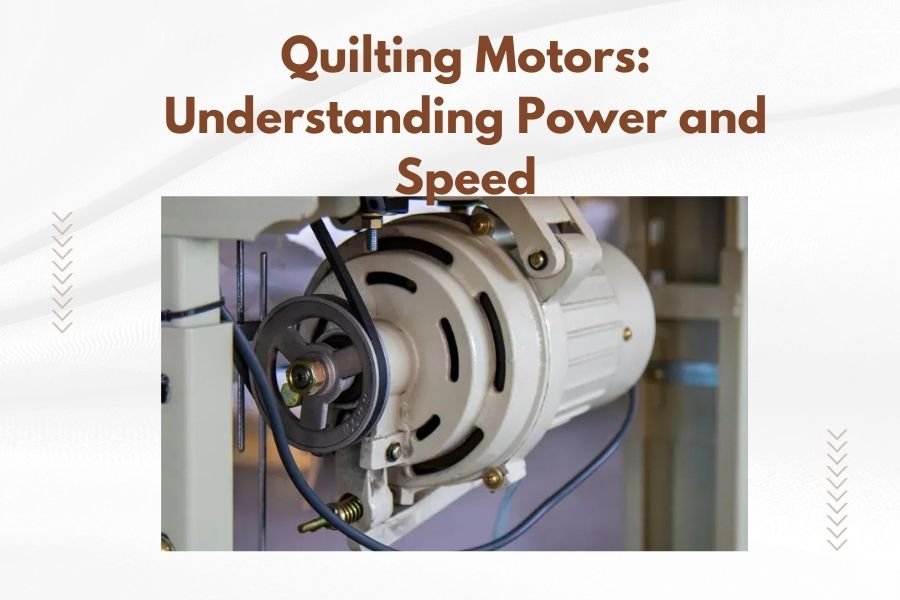
Quilting motors power your machine’s movement and determine both stitching speed and penetration strength through fabric layers.
Most quilting machines use servo motors (precise control) or direct-drive motors (consistent power), with speeds ranging from 1,000 to 4,000 stitches per minute.
You’re standing in front of your quilting machine, and that satisfying hum tells you everything is working. But what’s really happening under the hood? The motor is the heartbeat of your quilting setup.
Think of your quilting motor like the engine in your car. Just as different engines give you different performance, quilting motors affect how fast you can stitch and how well your machine handles thick batting.
What Makes Quilting Motors Different
Regular sewing machine motors work fine for lightweight fabrics. Quilting motors need more muscle. You’re pushing needles through multiple fabric layers, batting, and backing material.
The main difference comes down to torque and consistency. Quilting motors maintain steady power even when the needle hits resistance. Regular motors might slow down or skip stitches when things get tough.
Torque Requirements for Quilting
Torque measures rotational force. Higher torque means your motor can punch through thick spots without losing momentum.
I found that most quilting motors need at least 90-110 in-lbs of torque for reliable performance. Compare that to regular sewing motors at 40-60 in-lbs, and you see why quilting needs special equipment.
Types of Quilting Motors
You’ll encounter three main motor types when shopping for quilting machines. Each has distinct advantages depending on your quilting style.
Servo Motors: The Precision Choice
Servo motors give you incredible control. They respond instantly when you press the speed control. Want to slow down for detailed work? No problem. Need to speed up for long straight seams? Easy.
Here’s what makes servo motors special:
- Variable speed from nearly zero to maximum
- Needle positioning control
- Energy efficient operation
- Quiet running
The downside? Servo motors cost more upfront. But many quilters tell me the precision is worth every penny.
Direct-Drive Motors: Consistent Power
Direct-drive motors connect straight to the machine’s main shaft. No belts or pulleys to worry about. This design gives you consistent power delivery and reduces maintenance needs.
You’ll appreciate direct-drive motors if you quilt for hours. They run cooler and quieter than traditional clutch motors. Plus, they start and stop smoothly without jerking motions.
Clutch Motors: Traditional Workhorses
Clutch motors are the old-school option. They run continuously and use a clutch mechanism to engage the needle bar. Many vintage quilting machines still use this design.
While clutch motors are reliable, they have drawbacks. They consume more electricity, generate more heat, and offer less speed control than modern alternatives.
Understanding Motor Speed Ratings
Motor speed gets measured in stitches per minute (SPM). But here’s something important: maximum speed doesn’t always mean better quilting.
Speed Ranges for Different Quilting Tasks
Different quilting techniques need different speeds. Here’s what I found works best:
| Quilting Task | Ideal Speed (SPM) | Why This Speed |
|---|---|---|
| Detailed quilting | 800-1,200 | Precise control for curves |
| Medium quilting | 1,500-2,500 | Good balance of speed and accuracy |
| Straight-line quilting | 2,000-3,500 | Fast coverage of large areas |
| Thick batting | 1,000-1,800 | Motor maintains power through layers |
Why Maximum Speed Isn’t Everything
Some motors advertise 4,000+ SPM speeds. Sounds impressive, right? But can you actually control your stitching at that speed? Probably not.
I heard from experienced quilters that they rarely use top speeds. Most quilting happens in the 1,500-2,500 SPM range. Focus on smooth speed control rather than maximum velocity.
Power Requirements and Electrical Considerations
Quilting motors need adequate electrical supply to maintain consistent performance. Voltage fluctuations can affect stitch quality and motor longevity.
Standard Voltage Requirements
Most home quilting motors run on standard 110V household current. Industrial quilting setups might use 220V for increased power and efficiency.
Check your electrical panel’s capacity. Quilting motors typically draw 1-3 amps during operation. Make sure your circuit can handle the load without frequent breaker trips.
Power Factor and Motor Efficiency
Modern quilting motors use electronic controls that improve power factor. This means they convert electricity to mechanical power more efficiently than older designs.
Better efficiency translates to lower operating costs and cooler running temperatures. Your motor lasts longer and your electricity bill stays manageable.
Motor Control Systems
How you control your quilting motor affects your stitching experience. Different control methods suit different quilting preferences.
Foot Pedal Controls
Traditional foot pedals work like car gas pedals. Press lightly for slow speeds, push harder for faster stitching. Most quilters prefer this familiar control method.
Look for foot pedals with smooth response curves. Cheap pedals can be jerky or unpredictable. Good pedals give you fine speed control throughout the range.
Hand Controls and Switches
Some quilting setups use hand-mounted speed controls. These work well for longarm quilting where your hands stay near the machine head.
Hand controls often include additional features like needle up/down positioning and thread trimming activation.
Electronic Speed Limiters
Many modern motors include electronic speed limiting. You can set a maximum speed to prevent accidental over-speeding during detailed work.
This feature helps beginners build confidence without worrying about losing control at high speeds.
Maintenance and Motor Longevity
Proper motor maintenance keeps your quilting machine running smoothly for years. Most maintenance tasks are simple and take just minutes.
Regular Cleaning Requirements
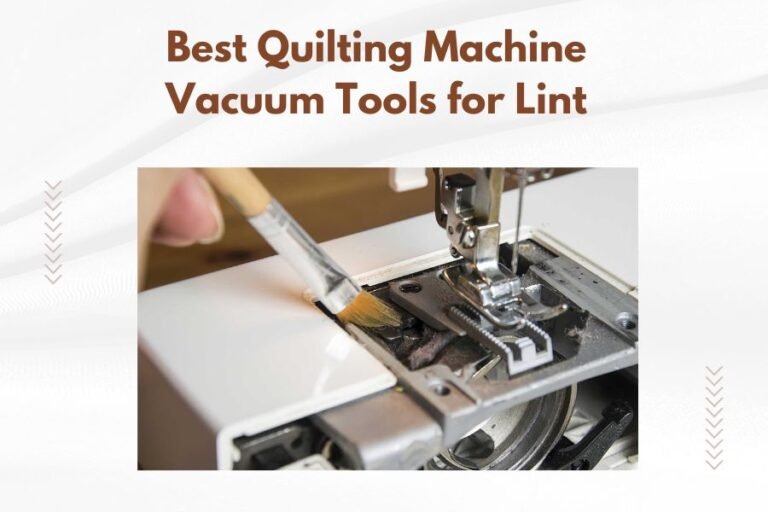
Fabric dust and lint can clog motor cooling vents. Clean these areas monthly with compressed air or a soft brush. Blocked vents cause overheating and premature motor failure.
Pay attention to motor mounting areas too. Loose bolts create vibration that damages internal components over time.
Belt and Drive Maintenance
If your motor uses belt drives, check belt tension regularly. Loose belts slip and cause inconsistent speeds. Tight belts wear out bearings and create noise.
Replace belts when you notice cracking, fraying, or permanent stretching. Most quilting machine belts last 2-5 years with regular use.
Lubrication Points
Some motor types need periodic lubrication. Check your owner’s manual for specific requirements. Over-lubrication causes as many problems as under-lubrication.
Use only manufacturer-recommended lubricants. Wrong oil types can damage seals and attract more dirt.
Troubleshooting Common Motor Issues
Motor problems usually show up as speed irregularities or unusual noises. Catching issues early prevents expensive repairs.
Speed Control Problems
If your motor won’t respond to speed changes, check electrical connections first. Loose wires cause intermittent control issues.
Foot pedal problems are common too. Dirt inside the pedal mechanism can cause erratic speed response. Most pedals can be cleaned with contact cleaner spray.
Noise and Vibration Issues
New noises usually mean something needs attention. Grinding sounds suggest bearing wear. High-pitched whining might indicate belt problems.
Excessive vibration often comes from loose motor mounts or unbalanced components. Tighten mounting bolts and check for damaged parts.
Overheating Symptoms
Motors that get too hot will shut down automatically on newer machines. Common causes include blocked cooling vents, overloading, or internal component wear.
Let overheated motors cool completely before restarting. Repeated overheating shortens motor life significantly.
Upgrading Your Quilting Motor
Sometimes upgrading your motor makes more sense than buying a completely new machine. Modern motors offer better control and reliability than older designs.
Compatibility Considerations
Not every motor fits every machine. Check mounting dimensions, shaft sizes, and electrical requirements before purchasing replacement motors.
Some older machines need adapter plates or modified mounting brackets. Factor these costs into your upgrade budget.
Cost vs. Benefit Analysis
Motor upgrades typically cost $300-800 depending on features and installation requirements. Compare this to new machine costs when making your decision.
If your machine frame and table are in good condition, a motor upgrade might give you modern performance at fraction of new machine cost.
Choosing the Right Motor Power
Motor power affects how well your machine handles different quilting challenges. More power isn’t always better, but inadequate power causes frustration.
Power Requirements by Quilting Type
Light quilting with cotton fabrics needs less motor power than heavy quilting with dense batting. Match your motor to your typical quilting projects.
I found that 1/2 horsepower handles most home quilting needs. Professional quilters often prefer 3/4 to 1 horsepower for consistent performance on large projects.
Future-Proofing Your Investment
Consider motors with slightly more power than your current needs. Your quilting skills and project complexity will likely grow over time.
Upgrading motors later costs more than buying adequate power initially. Plan for the quilter you want to become, not just where you are today.
Conclusion
Understanding quilting motors helps you make better equipment decisions and get more from your current setup. The right motor gives you the power and control needed for beautiful quilting results. Whether you choose servo motors for precision, direct-drive for consistency, or upgrade your existing motor, focus on matching motor capabilities to your quilting goals. With proper maintenance and realistic expectations, a good quilting motor will serve you reliably for many years of creative projects.
What’s the difference between a quilting motor and regular sewing motor?
Quilting motors provide higher torque (90-110 in-lbs vs 40-60 in-lbs) and better speed control to handle multiple fabric layers and thick batting without losing power or skipping stitches.
How often should I clean my quilting motor?
Clean motor cooling vents monthly with compressed air or soft brush to prevent lint buildup. Check belt tension and mounting bolts every 3-6 months depending on usage frequency.
Can I upgrade the motor on my existing quilting machine?
Yes, many quilting machines can accept motor upgrades if mounting dimensions and shaft sizes match. Check compatibility requirements and budget $300-800 for motor plus installation costs.
What causes quilting motors to overheat?
Common causes include blocked cooling vents from fabric dust, overloading the motor beyond its capacity, loose electrical connections, or internal component wear requiring professional service.
Is maximum motor speed important for quilting?
Maximum speed matters less than smooth speed control throughout the range. Most quilting happens at 1,500-2,500 SPM rather than maximum speeds of 3,000+ SPM advertised by manufacturers.